Become your trusted floor drain product partner and supplier in China.
Tel: +86-576-87422105, Email: [email protected]

Someone remodeling their kitchen picks up the exact same drain their contractor just installed in the upstairs bathroom, figuring a drain's a drain — until grease and food scraps start clogging it within a few weeks in a way the bathroom version never had to deal with. That mismatch isn't really about buying a bad product. It's what happens when a drain built for one environment gets dropped into a completely different one with its own particular mess to handle. Water behaves differently depending on where it's flowing — shower runoff carries soap and hair, kitchen water carries grease and food particles, a rain-soaked balcony deals with leaves and dust blown in from outside. Floor Drain Types exist precisely because none of those situations call for the same solution.
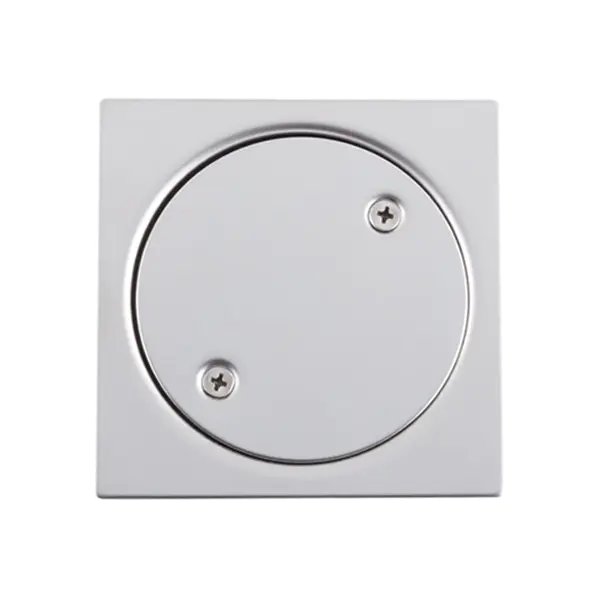
At the core, every floor drain does one job — clearing water off a surface. What changes is how that job gets done, based on where the drain actually sits.
Different designs tend to prioritize:
| Design Focus | What It's Solving For |
|---|---|
| Water removal | Getting water off the surface efficiently |
| Surface protection | Keeping the surrounding flooring in good shape |
| Fit with the space | Matching the drain to its actual installation spot |
| Daily use patterns | Handling whatever activity happens nearby regularly |
A drain sitting in a shower stall isn't dealing with the same conditions as one tucked into a patio corner catching rain and dead leaves.
Picking the right one really comes down to understanding the location, what's actually going down that drain, how often it gets cleaned, and what materials surround it.
Every part of a building deals with water differently, which is really the whole reason a single drain design doesn't hold up across every room.
A bathroom deals with regular shower and sink runoff day after day. A kitchen deals with water that's often carrying grease, food bits, or soap residue from washing dishes. A balcony or patio deals with rain, dust, and whatever blows in from outside.
| Space | What the Drain Actually Deals With |
|---|---|
| Bathroom | Frequent water flow, needs to stay clean daily |
| Kitchen | Water mixed with grease and food particles |
| Balcony | Rain and outdoor debris |
| Basement | Managing water that seeps in or collects |
| Commercial spaces | Heavy, frequent use throughout the day |
Matching the drain to the space it's actually serving tends to save a lot of maintenance headaches down the road.
Bathrooms are probably where most people encounter a floor drain in the first place, and they've got their own particular set of demands.
Bathroom drains usually get designed with attention to:
Layout matters here too. A small home bathroom used by one or two people has pretty different demands than a shared bathroom in an apartment building or gym locker room, where water volume and cleaning frequency both go up.
A drain that fits the bathroom well tends to just disappear into the background — doing its job without drawing attention or creating problems.
Kitchens throw a curveball that bathrooms mostly don't — food particles and grease mixed in with the water heading down the drain.
Kitchen drains tend to focus on:
| Requirement | Why It's There |
|---|---|
| Easy to clean out | Keeps daily maintenance from becoming a chore |
| Structure suited to kitchen mess | Handles grease and food debris without clogging |
| Sensible placement | Fits naturally into how the kitchen actually gets used |
| Hygiene-focused surface | Keeps bacteria and buildup from settling in |
A kitchen drain really has to work with how that space actually functions — someone rinsing dishes, mopping up spills, dealing with the occasional dropped scrap of food.
Commercial kitchens deal with a whole different scale of this than a home kitchen does, since restaurant kitchens are handling far more water and food waste on a given day, which usually calls for something built to handle heavier volume.
Picking a drain suited to the kitchen's actual habits keeps the space cleaner and a lot less prone to backups.
Outdoor spaces get hit with whatever the weather decides to throw at them — rain, fallen leaves, dust, dirt tracked across a patio.
Patios, balconies, driveways, and garden areas all tend to need drainage built specifically around outdoor conditions.
Outdoor drainage designs usually account for:
A balcony drain is often built around one specific job — clearing rainwater fast from a small, enclosed area. A bigger outdoor space, like a backyard patio or driveway, usually needs something with more capacity to handle heavier water flow across a wider area.
What's actually happening around the drain — plants nearby, exposure to wind-blown debris, how much rain the area typically gets — shapes what kind of drain makes sense there.
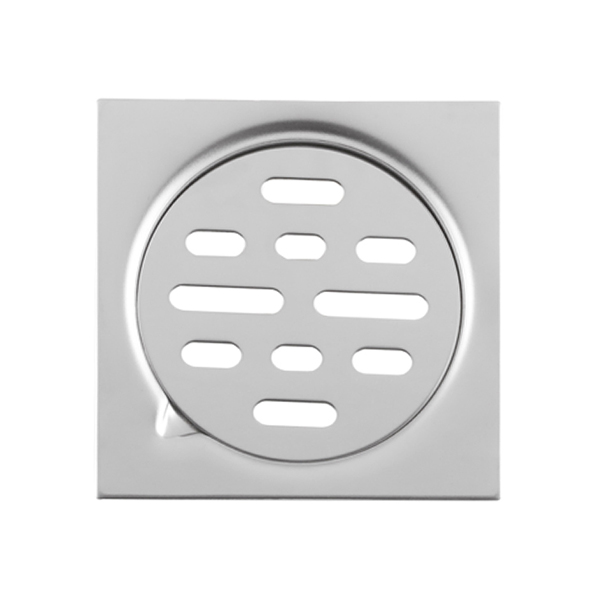
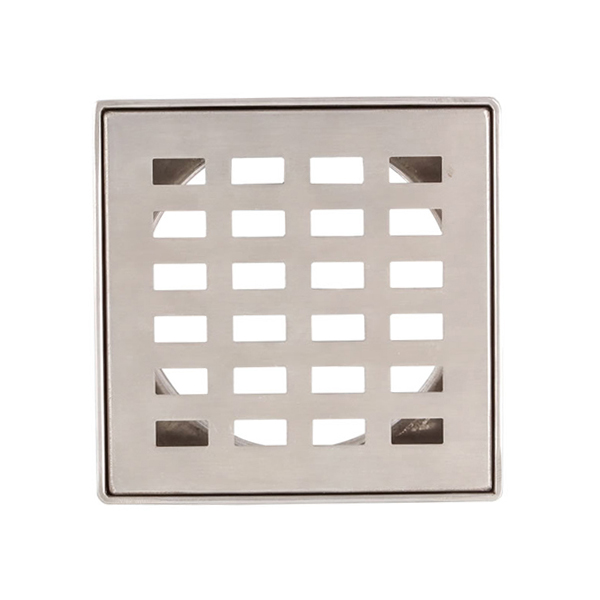
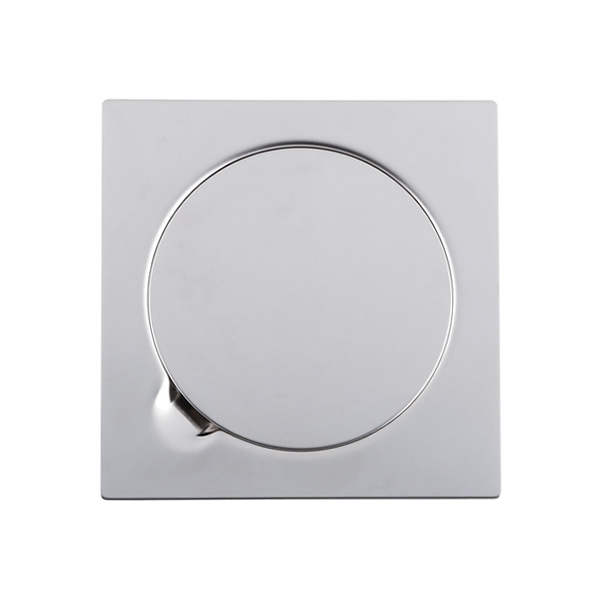
Floor drains come in a handful of common styles, each suited to a different kind of space.
| Drain Style | Where It Tends to Work Best |
|---|---|
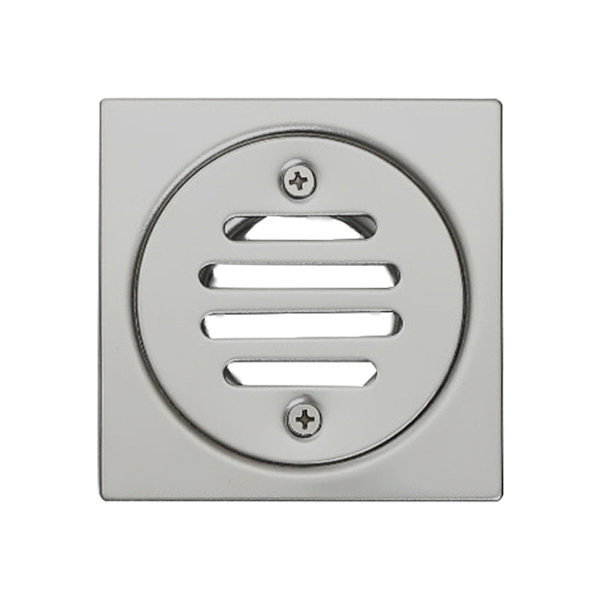
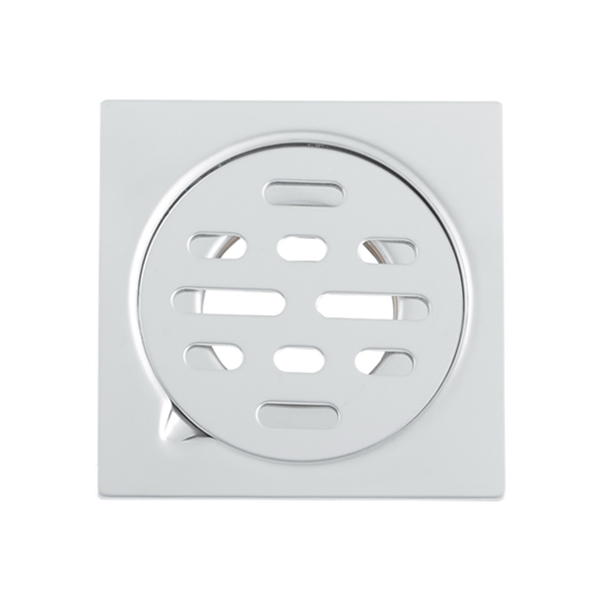
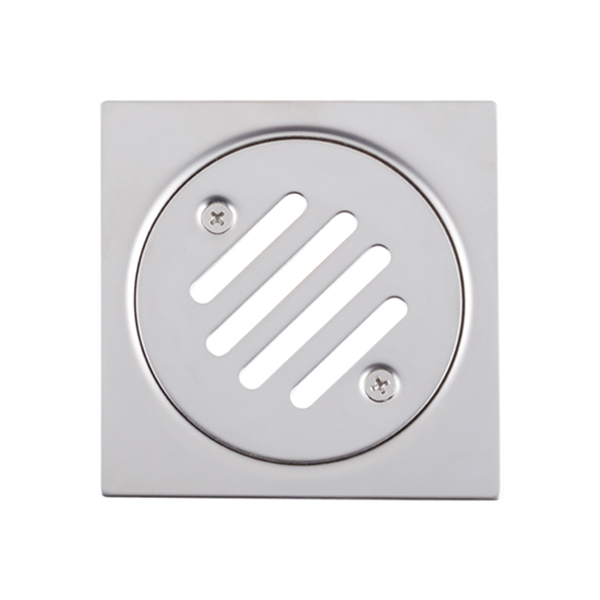
| Traditional round drain | General-purpose drainage areas |
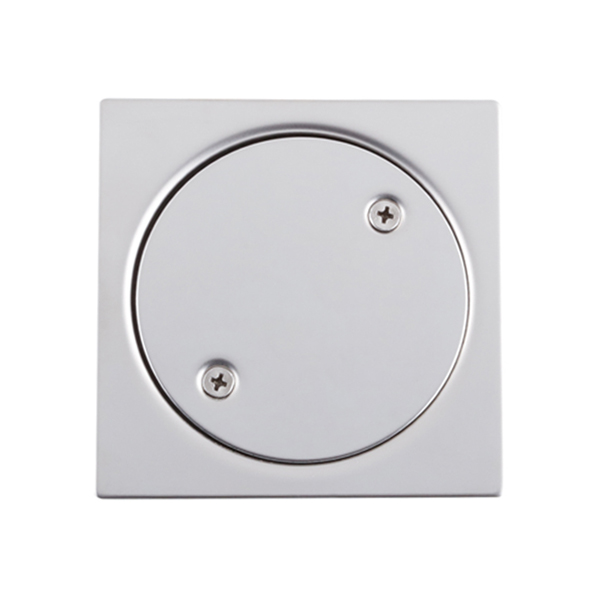
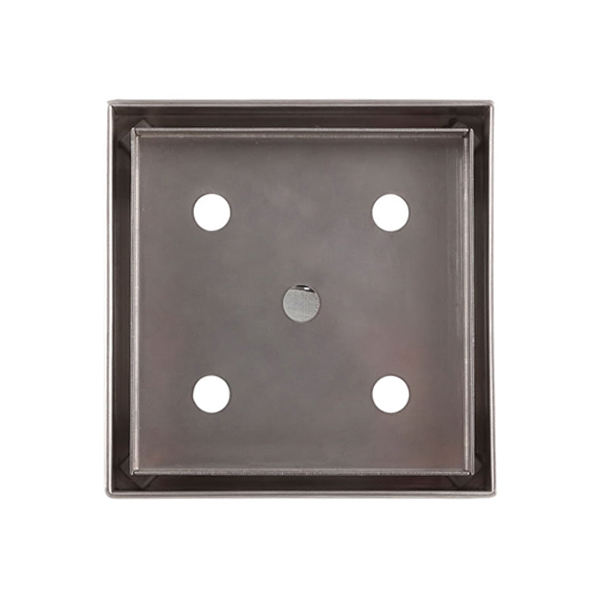
| Tile insert drain | Spaces where blending visually with the floor matters |
| Linear drain | Modern bathrooms with sleeker, minimalist floor layouts |
| Outdoor drain | Exterior spaces facing weather exposure |
Looks have started mattering a lot more than they used to. A lot of newer bathroom and kitchen designs treat the drain as part of the overall aesthetic, not just a hidden functional piece.
Balancing how a drain performs with how it actually looks has become a real part of choosing one, especially in spaces where the floor itself is a design feature.
Long-term maintenance really depends a lot on picking a drain that fits the space in the first place.
A few things that shape how easy upkeep ends up being:
Different spaces create very different maintenance rhythms. A bathroom drain might need attention pretty regularly just from daily shower use. An outdoor drain might go untouched for a while, then need clearing out after a storm dumps leaves and debris into it.
Picking a drain that's actually suited to its space cuts down on a lot of the frustration that comes with constant unclogging or scrubbing.
Choosing a floor drain isn't just about grabbing whatever looks nicest in a showroom display. It has to actually hold up in the space it's going into.
| Consideration | Why It Matters |
|---|---|
| Where it's being installed | Shapes what design actually makes sense |
| What kind of water it's handling | Influences how the drain needs to be built |
| How often the space gets cleaned | Affects how much maintenance the drain will realistically need |
| The style of the surrounding floor | Impacts both appearance and how it gets installed |
| How heavily the space gets used | Helps determine what capacity the drain needs |
Taking the time to actually think through the space before installation saves a lot of headaches later, especially compared to swapping out a drain after it's already sealed into the floor.
A good drain should support whatever's actually happening in that room day to day, while still fitting naturally into how the space looks overall.
Modern buildings keep leaning into both function and appearance together, and small details like drainage are increasingly part of that conversation instead of an afterthought. Floor Drain Types give designers and builders room to actually match a solution to each specific environment instead of defaulting to one generic option everywhere. Bathrooms, kitchens, outdoor spaces, and commercial areas all benefit from drainage that's actually built around their particular conditions rather than borrowed from somewhere else. Picking the right drain for each specific space supports proper water management while genuinely fitting the people using that space day to day. Getting that match right helps a building hold onto practicality, cleanliness, and design all at the same time, instead of treating those as competing priorities.
Copyright © Yuhuan Better Machinery Co., Ltd. All rights reserved

 English
 Español
 عربى
عربى

 +86-576-87422105
 +86-576-87422322
 Xuancheng rd 32#, Yuhuan Economic Development Zone, Zhejiang, China