Become your trusted floor drain product partner and supplier in China.
Tel: +86-576-87422105, Email: [email protected]

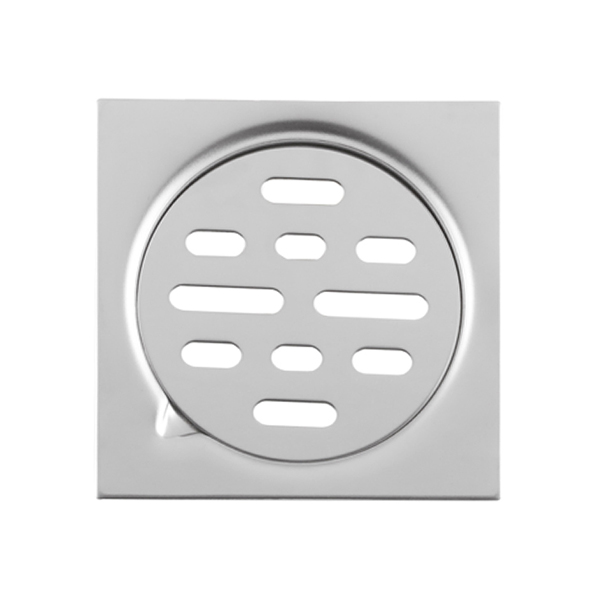
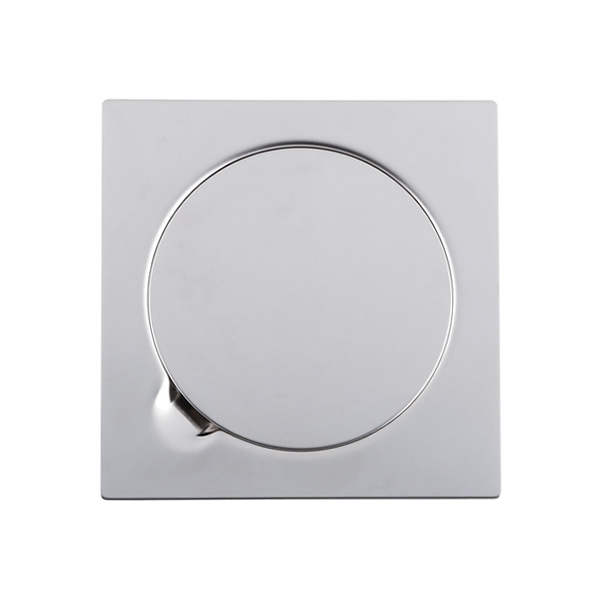
Someone standing in a shower watching water pool around their feet instead of disappearing down the drain knows the feeling immediately — that slow, frustrating sense that something's building up down there that shouldn't be. Anti Clog Floor Drain address exactly this kind of everyday nuisance, helping reduce slow water flow, surface water buildup, unpleasant odors, and blockages caused by ordinary household debris. They're built for spaces where water regularly enters the drainage system — bathrooms, kitchens, utility areas, balconies, and other wet environments people use daily without thinking much about the plumbing beneath their feet. Their real value comes down to how well the drain manages water while limiting how much unwanted material actually gets in or piles up over time.
Drainage problems rarely show up without warning signs first. Water starts moving a little slower than usual, a wet shower floor takes longer to clear than it used to, or a faint smell becomes noticeable near the drain that wasn't there before. These signs usually point to something happening around the drain opening, inside the internal passage, on the surrounding floor, or somewhere in the connected pipework. Choosing the right drain during installation can head off some of these concerns before they turn into something genuinely disruptive.
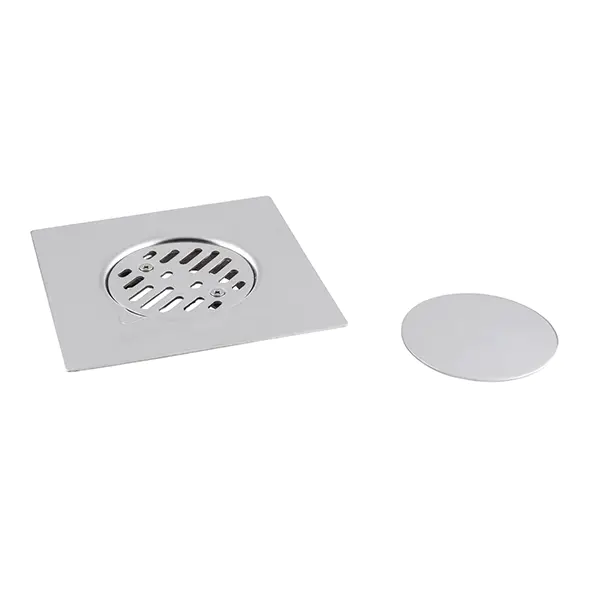
The right choice still depends heavily on the space in question. A bathroom drain deals with different demands than one sitting on a balcony or in a utility room. Floor material, cleaning habits, how much water typically flows through, and the kind of debris likely to enter the drain all shape which design actually makes sense for that particular spot.
Anti Clog Floor Drains help prevent drainage issues by making it genuinely harder for common debris to interfere with water moving through the drain. Hair, soap residue, dust, small particles, and other everyday household debris tend to collect around ordinary drainage openings over time. Once that material builds up, water starts draining noticeably slower than it used to.
A well-designed anti-clog drain makes the drainage path easier to actually maintain. Some designs offer a more accessible surface for cleaning, while others get shaped specifically to reduce how much debris can collect in spots that are hard to reach with a brush or cloth. The real effect depends a lot on the specific product design and how carefully it gets installed in the first place.
Water buildup is its own separate headache. When water can't leave the floor quickly enough, it lingers around shower areas or other wet spaces longer than it should. That makes the floor uncomfortable to stand on and creates its own additional cleaning concerns, since standing water tends to leave marks or residue behind.
Odor tends to tag along with drainage problems too. Organic material sitting in standing water can contribute to unpleasant smells once the drainage area goes without proper maintenance for a while. A well-chosen floor drain supports better drainage management overall, though regular cleaning and correct installation still matter just as much as the drain itself.
An anti-clog drain, in other words, isn't just a decorative fitting sitting flush with the tile. It's part of a broader approach to keeping wet areas genuinely easier to live with day to day.
Different Floor Drain Types affect drainage by changing how water actually enters the drain, how debris gets managed once it's in there, and how easily someone can clean the opening afterward. No single design suits every floor, since bathrooms, balconies, utility rooms, and other wet spaces all carry different demands.
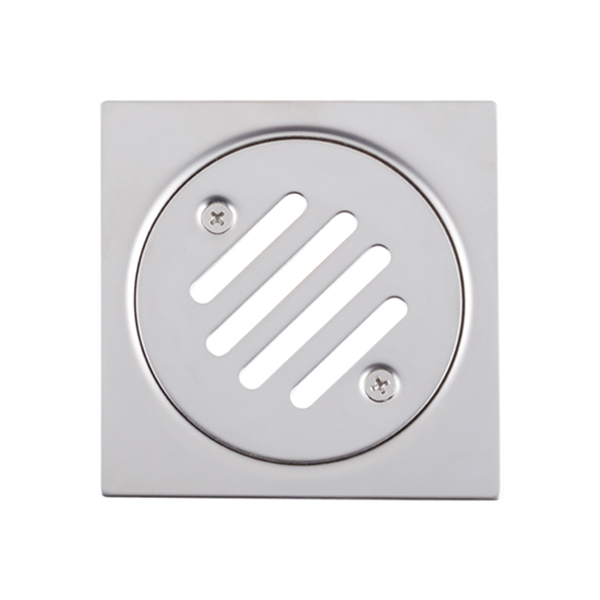
Traditional visible grates stay popular because they offer a clear, obvious drainage opening that's easy to understand at a glance. Other designs lean more toward appearance and blending in with the surrounding floor. Some prioritize easier cleaning, while others focus on how well the drain sits alongside tiles or other floor materials.
The surrounding surface matters just as much as the drain itself. A drain needs to work with the floor's slope and layout so water actually moves naturally toward the opening instead of pooling somewhere else first. If the surrounding floor doesn't guide water effectively, even a genuinely well-designed drain won't solve the underlying problem on its own.
| Floor Drain Type | Common Consideration |
|---|---|
| Standard floor drain | Practical, straightforward drainage access |
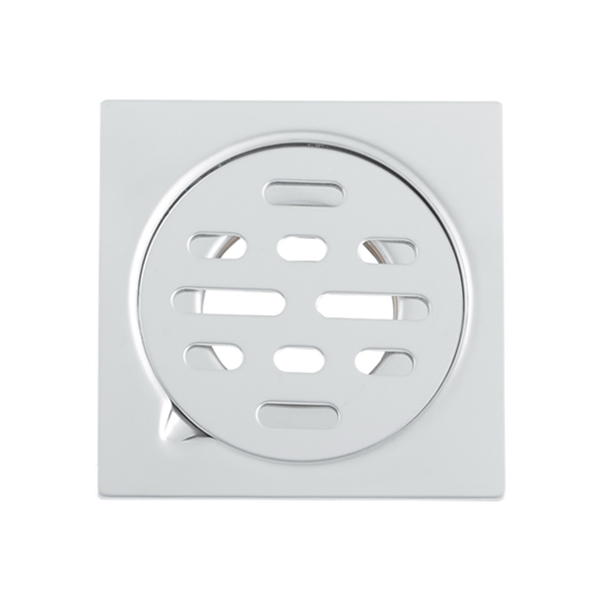
| Anti-clog floor drain | Debris management and easier maintenance |
| Tile Insert Floor Drain | Blending in with tiled surfaces |
| Linear-style drain | Broader surface drainage layout |
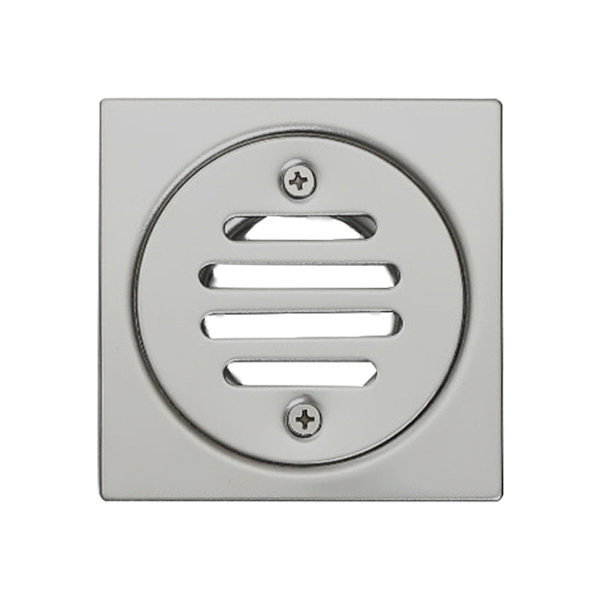
| Stainless steel drain | Durability paired with a clean appearance |
| Bathroom floor drain | Regular exposure to water and household debris |
These categories stay fairly general, since individual products can differ quite a bit in structure and installation requirements. For buyers, the useful starting point isn't really the drain's appearance alone. The better question is how it'll interact with the floor, the water flow, the cleaning routine, and the space around it once it's actually installed.
Anti Clog Floor Drains reduce the impact of hair and other debris by making the drainage opening easier to manage and less prone to sudden, immediate blockage. Bathrooms deal with this constantly, since hair, soap residue, and small particles enter the drain pretty much every time someone showers.
Hair tends to collect with other material and form a larger tangled mass right around the drainage opening. Once that happens, water starts moving noticeably slower, and the problem gets more obvious the more frequently the drain gets used — a family bathroom shower drain sees this a lot faster than a rarely used guest bathroom.
A drain built with maintenance in mind makes this kind of buildup a lot easier to spot and clear out. Accessibility genuinely matters here, since people are a lot more likely to actually clean a drain when the process is simple rather than something that requires tools or patience.
The drain cover plays its own role too. A well-designed cover lets water pass through freely while still catching larger pieces of debris before they slip further down. That said, no floor drain removes the need for routine cleaning entirely — it just makes that cleaning less of a hassle.
Household habits still matter a lot here. Picking up visible hair and debris before it even reaches the drain cuts down significantly on how much material makes it into the drainage passage in the first place.
For manufacturers, this creates a real opportunity to focus on practical details — opening design, cleaning access, surface shape, and how the cover relates to the drainage area beneath it.
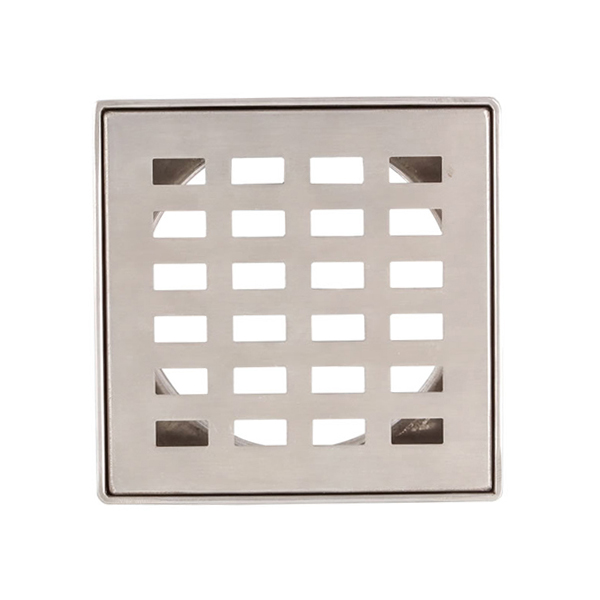
Stainless Steel Drains show up often in wet areas because they combine a clean, straightforward appearance with a material genuinely suited to constant moisture exposure. Bathrooms and other wet spaces need drainage products that fit naturally into the environment while staying practical to maintain over years of daily use.
Water is a constant presence in these spaces. The floor drain also regularly comes into contact with cleaning products, soap residue, dust, and whatever else ends up on a bathroom floor during normal use. Material choice matters a lot when picking a drainage component that has to hold up to all of that.
Stainless steel also fits comfortably into a wide range of interior styles. Its simple, understated surface works with modern bathrooms, tiled floors, utility spaces, and any other area where the drain stays visibly part of the room rather than hidden away.
Appearance is only part of the picture, though. The drain still needs to fit the actual floor structure and drainage arrangement underneath it. A visually appealing drain that doesn't suit the installation can end up creating more problems than it actually solves.
Cleaning requirements deserve real thought too. A drain surface that's easy to reach and wipe down makes routine maintenance a lot more manageable over time, instead of becoming a chore people put off.
For commercial buyers — hotels, gyms, or multi-unit buildings — Stainless Steel Drains often make sense when a project needs a consistent look across several wet areas at once. The final choice should still come down to the actual installation environment and the product's real specifications, not just how it looks in a catalog photo.
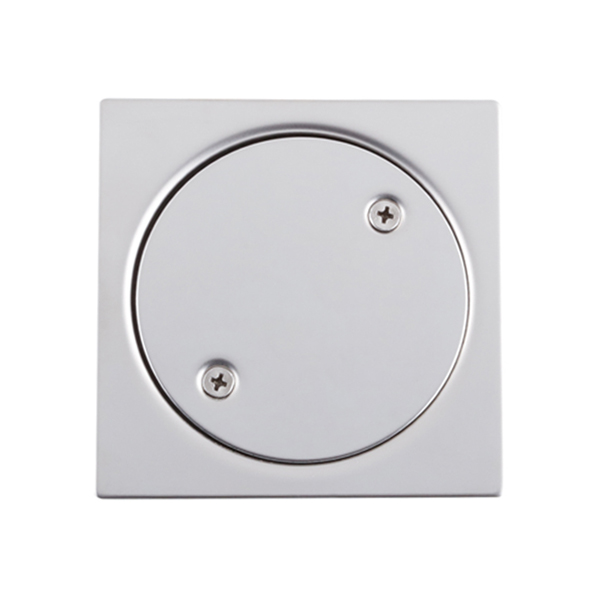
A Tile Insert Floor Drain helps integrate drainage right into a tiled surface while keeping a more continuous, seamless look across the floor. Instead of leaving behind an obviously contrasting metal cover, this style lets a tile or compatible material actually form part of the drain cover itself.
This approach works well in bathrooms where someone wants the drainage area to blend into the surrounding floor rather than stand out. It's especially useful when the tile layout itself is a meaningful part of the room's overall design.
Function still has to come first, though.
The tile insert needs to work properly with the drainage structure sitting underneath it. The surrounding floor needs to guide water toward the drain rather than letting it collect in low spots that never quite dry out.
Installation deserves careful attention because of this. The drain and tile both need positioning correctly so the surface stays practical for everyday use. Poor alignment throws off both the appearance and the actual drainage performance.
Cleaning needs consideration before installation too, not after. The insert needs to stay accessible whenever maintenance comes up. A drain that looks beautifully integrated but turns out difficult to clean isn't going to feel convenient in a bathroom that gets used every single day.
The Tile Insert Floor Drain, in other words, is both a design choice and a drainage choice at once. How well it works depends on the floor material, the installation method, realistic maintenance expectations, and the overall bathroom layout it's going into.
A Bathroom Tile Floor Drain needs careful selection because bathrooms combine frequent water exposure, household debris, regular cleaning activity, and tiled floor surfaces all at once. These conditions tie drainage performance and maintenance together pretty tightly.
Water from showers, sinks, and general cleaning routinely reaches the floor. At the same time, hair, soap residue, and dust make their way into the drainage area constantly. If the drain doesn't match the room well, small problems start showing up during everyday use — slower draining, lingering smells, that sort of thing.
Tile layout matters here too. The drain needs to fit the surrounding floor and let water actually move toward the drainage opening rather than pooling elsewhere. The relationship between floor slope and drain placement can matter just as much as the drain itself.
A suitable Bathroom Tile Floor Drain also needs to stay genuinely convenient to maintain. People need to remove debris, clean the cover, and check the surrounding area from time to time without it feeling like a project.
Design preferences shape the selection too. Some homeowners want a visible metal grate they can see and trust is working. Others want a drain that disappears into the tiled surface entirely.
The right choice ultimately balances practical and visual needs together. Drainage performance should stay the main priority, while appearance gets matched to whatever the overall bathroom design is going for.
Poor installation can cause real drainage problems even when the floor drain itself is perfectly suited to the application. Water needs a clear path toward the drain, and the drain needs to sit correctly within the floor structure surrounding it.
The surrounding floor matters enormously here. If the floor doesn't guide water toward the drain properly, water ends up lingering in certain spots instead of leaving the surface the way it should.
Incorrect positioning creates its own separate issue. A drain placed away from the water's natural flow path ends up receiving less water than expected, while other parts of the floor stay wet longer than they should.
The connection underneath the floor matters just as much as what's visible on top. A drain opening can look perfectly fine from above while real problems exist below the surface, out of sight. That's exactly why installation needs to follow the product's intended setup closely, not just eyeball it.
Sealing around the drain is its own practical concern too. The surrounding floor needs proper preparation so water doesn't seep into areas it was never meant to reach.
All of this shows why choosing a drain and installing it should really be treated as one connected decision, not two separate steps. Even a genuinely well-designed product still depends heavily on suitable floor preparation and careful installation to actually perform as intended.
Regular maintenance helps Anti Clog Floor Drains keep managing water and debris the way they're meant to. Even a drain specifically designed to reduce clogging can still accumulate material once it's exposed to frequent, everyday use.
Simple cleaning genuinely makes a difference here. Removing visible hair, dust, and residue from the cover and the accessible parts of the drainage area cuts down significantly on how much material is available to form a blockage later.
The cleaning routine should match the location realistically. A shower drain used every single day probably needs more frequent attention than a floor drain sitting in a utility room that barely sees water.
People should also pay attention to early warning signs of change. Water taking longer to disappear than usual, a smell that keeps coming back, or visible buildup around the cover can all signal that cleaning or inspection is overdue.
The cover itself shouldn't get ignored either. It often catches debris before that material ever reaches the drainage passage below, which makes it a genuinely important part of routine maintenance rather than just a decorative cap.
Manufacturers can support this whole process by making removable parts easy to identify and access without needing tools or guesswork. Clear maintenance instructions also help people understand how to clean the product properly without accidentally damaging its structure in the process.
Maintenance, in short, stays closely tied to drain design. An anti-clog feature makes drainage management easier, but everyday care remains part of keeping the whole system working the way it should.
Anti Clog Floor Drains increasingly get considered as part of the overall bathroom design, rather than treated as some isolated plumbing accessory picked last-minute. Buyers now tend to look at drainage, floor appearance, cleaning convenience, and space planning together as one decision, rather than handling each separately.
This shift has opened room for different drain styles to coexist. Visible Stainless Steel Drains offer a straightforward, no-nonsense appearance, while Tile Insert Floor Drain designs blend more closely into the tiled surface around them.
The practical side still matters just as much, though. A drain needs to manage water effectively and offer reasonable access for cleaning. Design changes are worth pursuing when they support these everyday requirements, not just when they change how the drain looks in a showroom.
Bathrooms themselves vary a lot in layout too. A compact shower stall calls for a different drainage arrangement than a larger open bathroom floor. A balcony or utility room deals with its own water exposure and debris conditions that look nothing like a bathroom's.
Because of all this, buyers do a lot better considering the actual environment before picking a drain. Floor material, water flow, cleaning habits, visual preferences, and the installation arrangement all feed into that decision together.
Anti-clog drainage, at the end of the day, is part of a broader effort to make wet areas easier to live with and easier to maintain. The right product really comes down to how the drain will interact with the floor, the water, and the everyday routine of whoever's using that space.
Copyright © Yuhuan Better Machinery Co., Ltd. All rights reserved

 English
 Español
 عربى
عربى

 +86-576-87422105
 +86-576-87422322
 Xuancheng rd 32#, Yuhuan Economic Development Zone, Zhejiang, China