Become your trusted floor drain product partner and supplier in China.
Tel: +86-576-87422105, Email: [email protected]

Walk into almost any bathroom and the drain is easy to miss. It sits low, does its job, and rarely gets noticed unless something goes wrong. Still, it has a quiet influence on how the space feels and functions. In industry conversations, names like Yuhuan Better Machinery Co., Ltd. sometimes come up when people talk about how these small components are made and refined over time. Behind that, shower drains manufacturers are usually thinking less about appearance alone and more about how things work in everyday use.
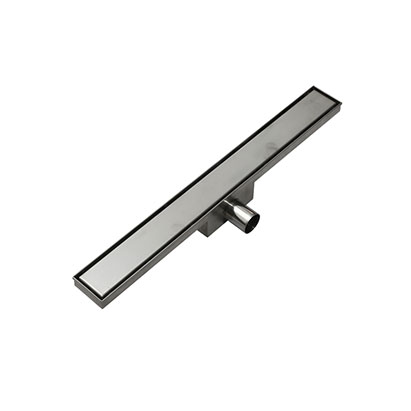
A shower area is not just a flat surface with water running over it. Underneath, there are layers working together. Water needs to leave quickly, the base should stay protected, and the surface has to remain comfortable to stand on. The drain is only one part of that system, but it connects everything.
For a long time, the setup was fairly predictable. A drain near the middle, and a floor that slopes toward it from all sides. It still works, and in many places it is still used. But not every space follows that pattern anymore.
As layouts became more open and flooring materials changed, people started looking for different ways to guide water. That is where the linear shower drain began to appear more often. Instead of pulling water inward, it lets water move across the floor in one direction. This small change can affect how the whole surface is planned.
There is also the question of how all the parts fit together. The drain connects with the pipe, but it also sits within waterproof layers and under the finished surface. If one part is slightly off, the result may not be ideal. Because of that, shower drains manufacturers tend to look at the whole setup rather than treating the drain as a separate piece.
When it comes to choosing a drain, the thought process is usually practical.
Water flow is often the first thing people notice. If the floor does not guide water well, small puddles can stay behind. That usually means the slope and the drain position are not working together as they should.
The space under the floor can also limit options. In some places there is enough room for a deeper structure, while in others everything needs to fit into a tighter space. This affects how the drain is built and installed.
Material choice matters too, even if it is not always visible. Since the drain is always exposed to moisture, it needs to hold up over time without changing shape or weakening.
Cleaning tends to become important later on. A design that allows the cover to be lifted or parts to be removed can make routine care much easier.
Appearance has gradually become part of the decision as well. Many people prefer a floor that looks continuous, without too many interruptions. In that case, the drain is expected to sit quietly within the design rather than stand out.
Put together, these points show how shower drains manufacturers are often guided by real use rather than just initial design ideas.
At a quick glance, many drains look similar. In practice, small differences can make a big impact when it comes to fitting them into place.
The outlet position is one example. Pipes are not always located in the same spot, so the drain has to match what is already there. Even a small difference can mean extra work during installation.
Size is another factor. Floor depth and structure can vary from one project to another, which limits what kind of drain can be used.
Connection styles can differ as well. Installation habits are not exactly the same everywhere, and that shapes how drains are designed.
Because of these differences, it is hard to treat drains as fully interchangeable. Instead, shower drains manufacturers usually offer several options so that different layouts can be handled without too much difficulty.
Sometimes small adjustments are needed. Changing the length, the direction of the outlet, or the internal depth can help the drain fit more naturally into a specific space.
Over time, a few main types of drains have become familiar. Each one works in a slightly different way.
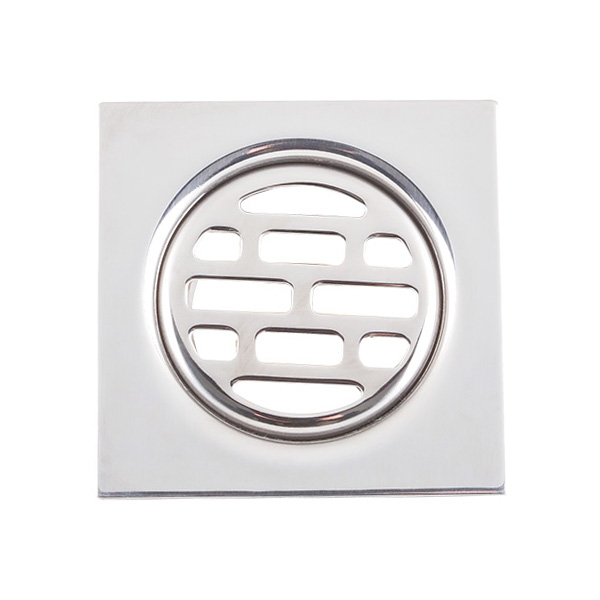
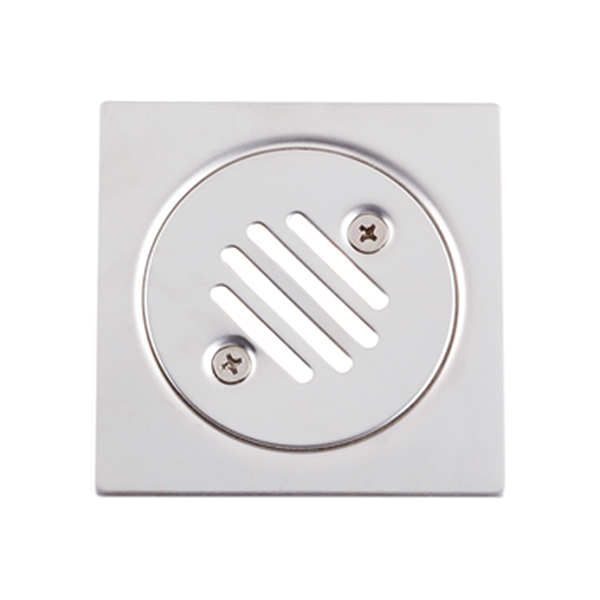
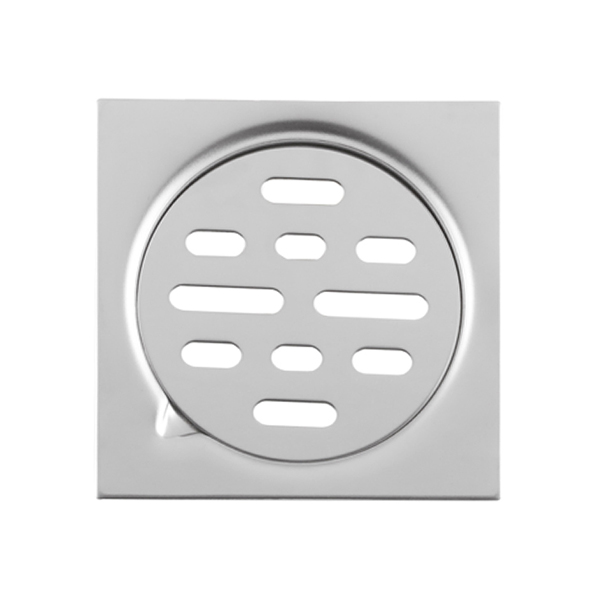
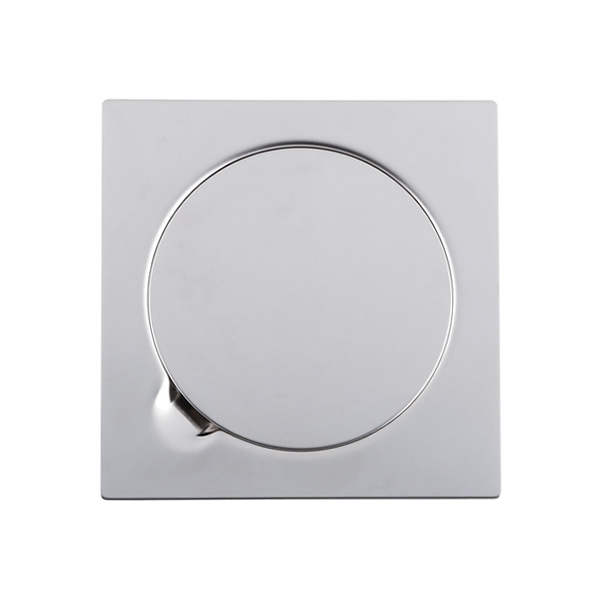
Point drains are still widely used. They are usually placed somewhere near the center, with the floor sloping toward them from different directions. This setup is simple and works in many cases.
The linear shower drain takes a different approach. It is often placed along one side of the shower area, allowing water to move in a single direction. This can make it easier to plan the floor, especially when larger surface pieces are used.
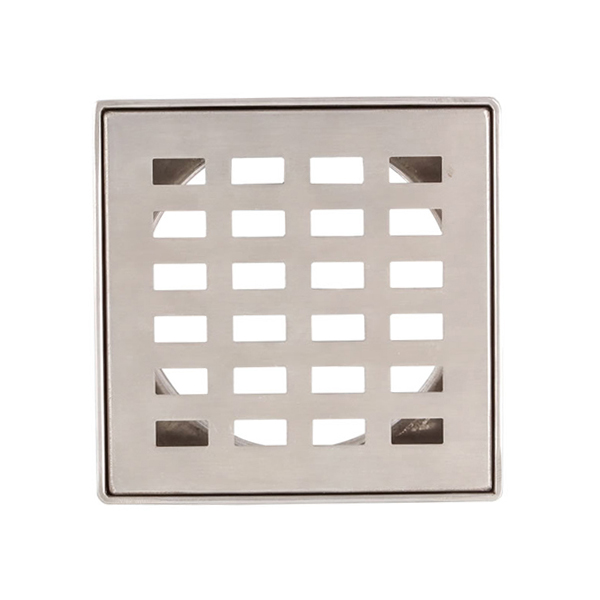
Tile-insert drains are designed to blend into the floor. A piece of the same material is placed into the drain cover, so it does not stand out as much.
Some designs go even further and try to keep the drain out of sight. These may be built into edges or narrow gaps, so they do not interrupt the overall look of the space.
| Drain Type | Placement Style | Visual Effect | Installation Approach | Maintenance Access |
|---|---|---|---|---|
| Point Drain | Near center | Easy to see | Slopes from all sides | Direct |
| Linear Shower Drain | Along one edge | More subtle | Single-direction slope | Cover removable |
| Tile-Insert Drain | Within floor | Blends in | Careful alignment needed | Partial access |
| Concealed Drain | Edge or gap | Less noticeable | Built into structure | Less direct |
Each type suits a different kind of layout rather than replacing the others.
Different spaces bring different needs, so the choice often depends on the situation.
In smaller bathrooms, a simple layout is usually easier to work with. A central drain can fit without requiring too many changes.
In more open areas, especially where there is no clear separation, a linear shower drain can help guide water more evenly. It also allows for a smoother transition across the floor.
Places that are used more often may need something that can handle regular water flow without much attention. In these cases, steady function becomes more important than how it looks.
Renovation work can be a bit more limited. The existing structure may not allow large changes, so a more flexible option can help make things fit.
Across these different situations, shower drains manufacturers continue to adjust their designs so they can work in real spaces without making installation more complicated than it needs to be.
Inside some drain structures, there is a small part that people don't usually see. In casual terms, it's sometimes called a “shower mushroom.” The name comes from its shape rather than any formal label.
Its role is fairly straightforward. When water flows down, it allows passage. When the flow stops, it helps limit air moving back up from the pipe. This can make a difference in reducing unwanted smells reaching the surface. It may also help keep small particles from coming back into the visible part of the drain.
Where it sits can vary. In some designs, it is just below the cover. In others, it is placed deeper inside. The material used for this part needs to handle constant moisture without losing its form.
Cleaning is something to think about here as well. If the part is easy to reach, it can be checked or rinsed without much effort. If it is placed further inside, access may take a few extra steps. Because of this, shower drains manufacturers often try to keep internal parts simple and reachable where possible.
Looking at how drains are made, the focus is usually on how they will behave over time.
Getting the size right is one of the first concerns. A drain has to match the pipe, the floor layers, and the surrounding surface. If it is slightly off, it can make installation more difficult than expected.
Material choice comes next. Since the drain stays in a wet environment, it needs to hold up without changing shape or weakening. This applies not only to the outer body but also to smaller internal parts.
Surface finish is another detail that gets attention. A smoother surface can make it harder for residue to stick, which can make cleaning less troublesome later on.
How the parts are put together also matters. The structure needs to stay stable after being used over and over again. Loose or poorly fitted parts can affect how the drain works in the long run.
At the same time, there is a balance to keep. If the design becomes too complicated, it may be harder to install. For that reason, shower drains manufacturers often try to keep things as simple as possible while still meeting practical needs.
The linear shower drain has become more common in certain layouts, especially where the floor is designed to look more continuous.
One noticeable difference is how it handles water. Instead of drawing water from all directions, it guides it along a single path. This can make it easier to shape the floor, particularly in spaces where a gentle slope is preferred.
Its length can also be adjusted to fit different shower widths. This makes it easier to place within a variety of layouts without changing too much of the surrounding structure.
Placement is flexible as well. It can sit near a wall, along the edge, or at the entrance of the shower area. Each position affects how water moves across the surface.
It also works well with larger floor pieces. Since the slope goes in one direction, there is less need to cut the surface into smaller sections.
Even so, installation still needs attention. The slope has to be set correctly, the connection to the underlying layers needs to be secure, and everything has to line up with the pipe. Because of this, shower drains manufacturers continue to adjust these designs so they remain practical to use, not just visually appealing.
A drain may be well made, but how it is installed makes a big difference in how it performs.
Height is one detail that can't be ignored. The drain needs to sit at the right level compared to the floor. If it is too high or too low, water may not flow toward it as intended.
Sealing is another important step. The connection between the drain and the surrounding layers needs to keep water from passing into the structure below. This usually depends on careful handling during installation.
Over time, small amounts of debris can collect inside the drain. Being able to reach the inside without much effort can make cleaning easier.
Some designs allow the cover to be lifted quickly, while others take a bit more time to open. Because of this, shower drains manufacturers often try to find a middle ground between a solid structure and easy access.
Drainage is also linked to how water behaves on the surface. When water moves away smoothly, the floor dries more evenly, which can help keep the space in better condition.
Material durability is part of this as well. A drain that keeps its shape over time does not need to be replaced often, which avoids unnecessary waste.
From a daily use point of view, a drain should not need constant attention. A design that works quietly in the background is usually more suitable for regular use.
Bathroom layouts continue to change, and drainage design follows along.
There is a clear move toward simpler surfaces, where fewer elements interrupt the floor. At the same time, flexibility has become more important, since not every space is built the same way.
The linear shower drain fits into this direction by offering a way to manage water while keeping the floor layout more open.
Rather than focusing on one fixed idea, shower drains manufacturers tend to adjust their designs step by step. Small changes in structure, placement, and usability often make a noticeable difference in how the product works in everyday settings.
Copyright © Yuhuan Better Machinery Co., Ltd. All rights reserved

 English
 Español
 عربى
عربى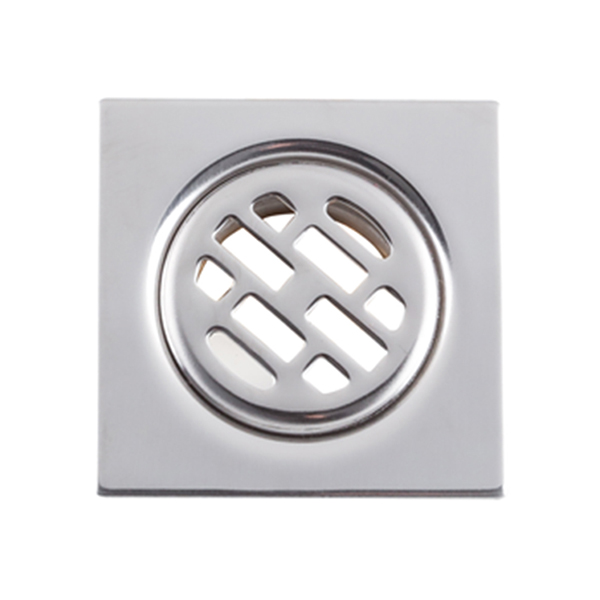

 +86-576-87422105
 +86-576-87422322
 Xuancheng rd 32#, Yuhuan Economic Development Zone, Zhejiang, China