Become your trusted floor drain product partner and supplier in China.
Tel: +86-576-87422105, Email: [email protected]

A bathroom can look spotless and still develop an unpleasant smell hovering around the floor drain, something a lot of homeowners find confusing at first. The odor might show up right after a shower, linger in the room through the whole day, or become noticeable only when the bathroom has sat unused for a stretch.
Many people assume the smell traces back to surface dirt on the tile or grout, but the drain itself often plays a bigger role than expected. Different Bathroom Floor Drain Types rely on different internal structures to manage water and odors, so the actual source of a smell can vary quite a bit from one bathroom to the next.
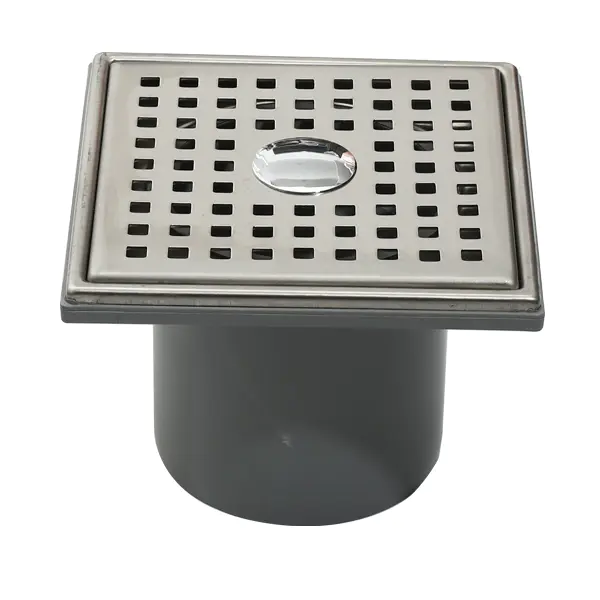
The surrounding drainage system matters here too, not just the visible drain cover. A bathroom floor drain connects the room to a larger drainage path, which means trouble can come from the drain opening itself, the internal parts, standing water, pipe connections, or simply how often someone gets around to cleaning it.
Understanding these differences makes tracking down an odor problem a lot less of a guessing game.
A floor drain exists to let wastewater leave the bathroom while keeping unwanted material and gases from drifting back into the room. When that protective function stops working the way it's supposed to, smells from the drainage system tend to become noticeable pretty fast.
One common factor comes down to the condition of the water barrier sitting inside the drain, something most homeowners never think about until it dries out.
| Possible Cause | What May Happen |
|---|---|
| Dry internal water barrier | Drainage odors may enter the room |
| Accumulated residue | Unpleasant smells may develop |
| Blocked drainage path | Water and residue may remain longer |
| Loose or unsuitable connection | Odors may escape around the drain |
| Poor cleaning routine | Organic material can collect inside |
The bathroom environment itself tends to make these problems worse rather than better. Warm, damp conditions encourage residue to sit around hidden parts of the drain, especially in bathrooms that only get a quick wipe-down now and then.
Odor can also grow stronger in a bathroom that's rarely used, like a guest bathroom that only sees traffic a few times a month. If water normally keeps a barrier maintained inside the drain, going a long stretch without use changes that balance in ways people don't expect.
This is part of why an odor showing up in a guest bathroom often has a different root cause than one showing up in a bathroom the whole family uses every morning.
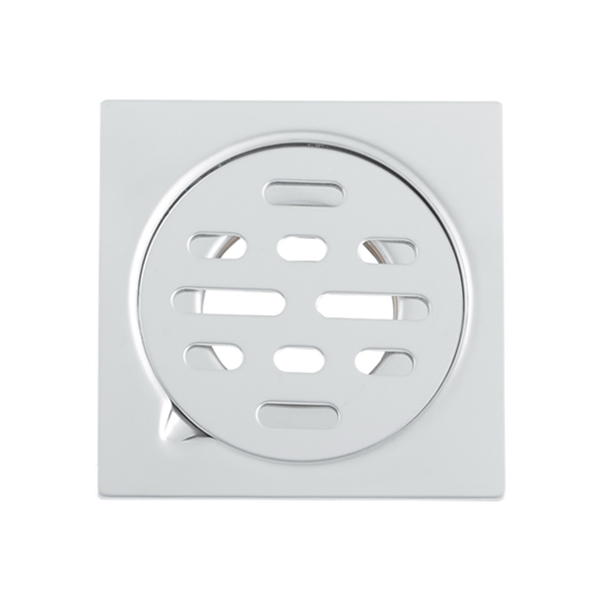
Not every drain shares the same internal arrangement, even when they look similar sitting flush against the tile. Some designs lean on maintaining a water barrier, while others use mechanical components or sealing structures to physically limit air movement from the drainage system below.
These structural differences change how a bathroom actually responds when odor problems crop up.
| Floor Drain Type | Odor-Related Consideration |
|---|---|
| Traditional water-seal drain | Depends on maintaining the internal water barrier |
| Mechanical anti-odor drain | Uses an internal closing structure |
| Deep drainage design | Provides additional internal separation |
| Simple open drain | Offers less separation from the drainage path |
| Multi-part drain | Requires attention to component condition |
Choosing among Floor Drain Types should involve more than just how a drain looks sitting on the bathroom floor. A drain can look perfectly fine cosmetically while its internal structure doesn't actually match the conditions of the space around it.
A bathroom that sees light, occasional use may call for a different odor-control approach than a bathroom several people rely on every single day. Drainage frequency, cleaning habits, the way the plumbing was installed, and local plumbing setups all shape how any given drain actually performs.
That's why comparing Bathroom Floor Drain Types based on how they'll actually get used tends to work better than picking one off a shelf purely by appearance.
A dry internal water barrier is one of the more common reasons behind a lingering bathroom odor. Some floor drains depend on water staying inside a particular section to create separation between the bathroom air and the drainage path underneath it.
When that water evaporates away, the barrier loses much of its effectiveness. This tends to happen when a bathroom goes unused for a while, or when heat and airflow cause water to disappear from the drain faster than expected.
A simple maintenance check can help pin down whether this is what's going on.
If the odor comes back quickly after cleaning, the issue probably involves more than just the water level inside the drain. The internal structure, the pipe connection, or the broader drainage system may need a closer look at that point.
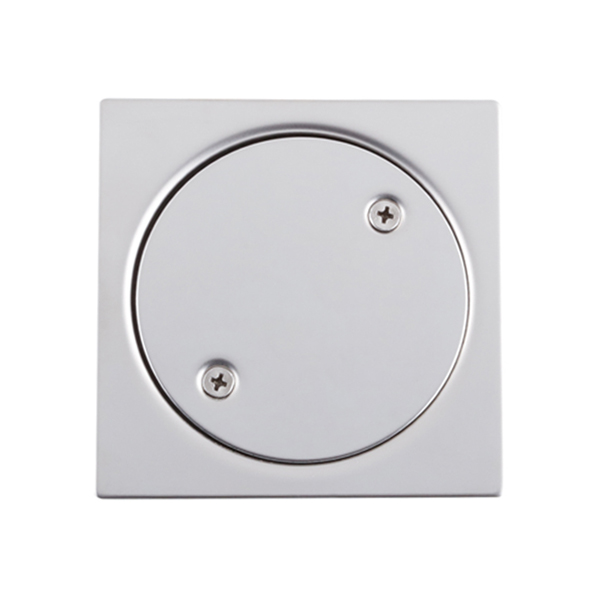
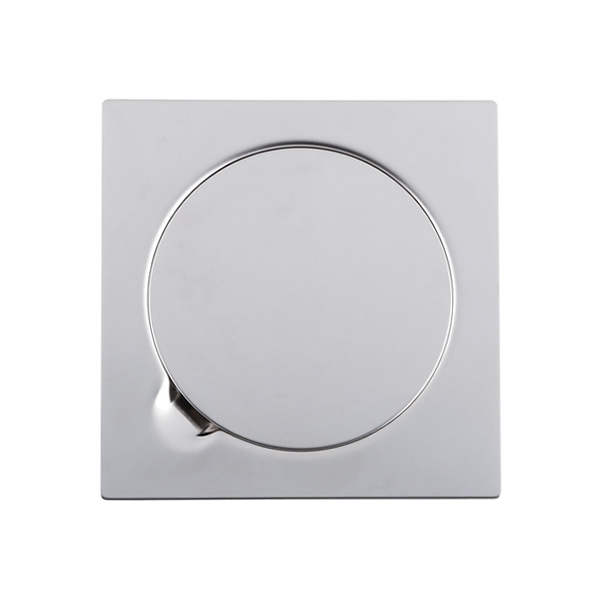
An Anti-Odor Floor Drain fits situations where a space needs a design built around additional separation from drainage odors specifically. How well it actually works still comes down to the real installation and the plumbing arrangement behind the wall.
Bathroom drains take in a lot more than clean rinse water over the course of a normal week. Soap residue, hair, dust, skin particles, cleaning products, and other bits of everyday grime all find their way into the drainage opening during regular use.
Some of that material sticks around inside the drain rather than washing straight through. Given enough time, this leftover residue turns into a genuinely unpleasant smell, and the problem is easy to miss since most of the buildup sits below the visible drain cover where nobody thinks to look.
| Location | Possible Residue |
|---|---|
| Drain cover | Hair, dust, soap residue |
| Inner drain section | Moisture and organic material |
| Drain basket | Small debris |
| Pipe entrance | Accumulated material |
| Surrounding surface | Dirt and moisture |
Wiping down the visible cover helps, but it rarely reaches residue sitting deeper in the structure. A drain built with several removable parts often needs cleaning around each accessible piece individually, not just a quick surface pass.
People are better off following the cleaning instructions for their specific product instead of pouring in harsh chemicals without checking whether the materials can handle it. Regular care cuts down on the material available to turn into odors in the first place.
It also makes it easier to catch a shift in drainage behavior before a small annoyance turns into a bigger repair.
Slow drainage creates conditions where smells become a lot more noticeable than they otherwise would be. When water sits around the drain longer than it should, whatever residue is already there stays in contact with moisture for longer too, giving odor-causing buildup more time to develop.
A partially blocked drainage path can affect both how quickly water moves and how clean the drain area actually stays.
Several signs tend to show up together when this is happening.
These signs don't necessarily all point back to the same cause. A blockage might sit close to the drain itself, further along the drainage path, or somewhere in the broader plumbing system entirely.
Because of that, the floor drain should get treated as just one part of a larger drainage arrangement rather than the whole story. Swapping out the visible cover won't solve an odor problem if the underlying drainage path stays blocked or neglected.
Good drainage and reliable odor control both depend on the condition of the whole system working together, not any single component on its own.
Bathrooms naturally hold onto moisture in a way other rooms in a house don't. Showers, hand washing, cleaning, and limited ventilation all combine to create a damp environment around the floor, day after day.
That moisture affects how quickly residue dries out and how often the drain area actually needs attention. A bathroom with weak airflow tends to hold onto smells longer too, and the problem becomes more obvious in small, enclosed rooms where air barely moves.
| Bathroom Condition | Potential Effect |
|---|---|
| Frequent showering | More moisture enters the environment |
| Limited ventilation | Odors may remain noticeable |
| Infrequent use | Internal water barriers may change |
| Heavy daily use | More residue may enter the drain |
| Poor surface drainage | Water may remain around the drain |
None of this means every damp bathroom is destined to develop an odor problem. The condition of the floor drain, the drainage system, the cleaning routine, and the ventilation all interact with each other in ways that are hard to separate cleanly.
An odor-resistant design helps, but it works best when considered alongside the surrounding environment rather than treated as a standalone fix. For an Anti-Odor Floor Drain, the internal closing method is only one piece of the whole installation.
The drain still needs to fit the bathroom's actual drainage conditions and stay reasonably accessible for routine maintenance down the line.
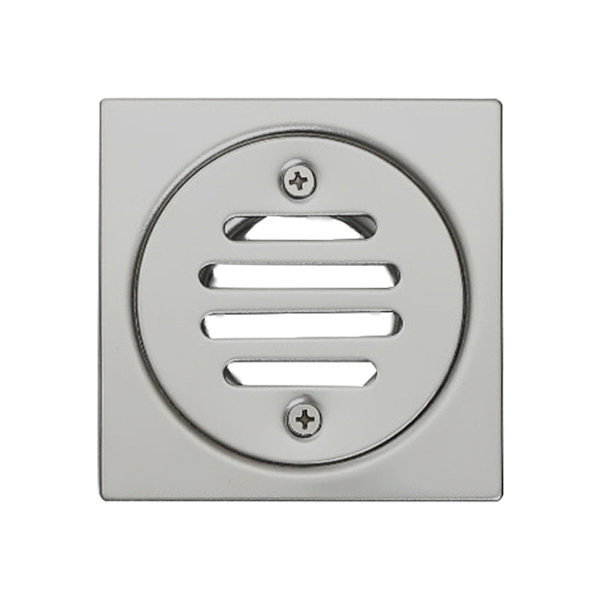
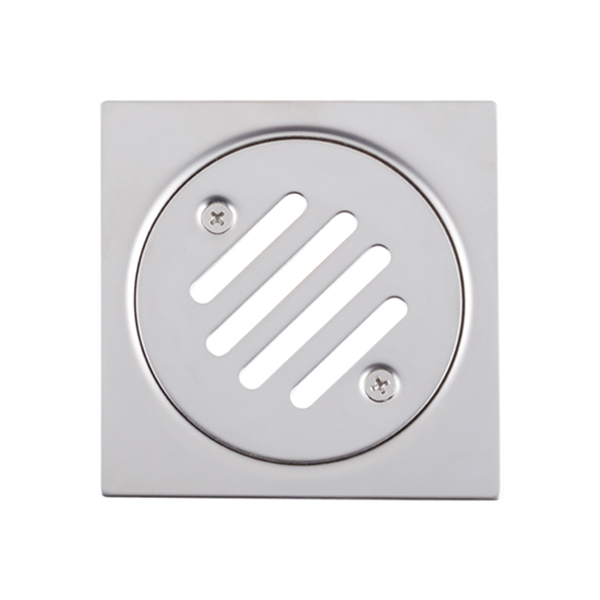
Material choice shapes how a floor drain holds up during everyday, unremarkable use over the years. Stainless Steel Drains get picked for bathrooms fairly often because the surface finish suits a wide range of interior styles and the construction tends to handle routine wet-area conditions reasonably well.
Brass shows up as another common material in floor drain products. For buyers, though, material choice shouldn't get considered separately from how the whole thing is put together.
The connection between the drain body, the cover, the internal parts, and the surrounding floor tile all affects how the drain actually performs once it's installed.
| Design Area | Practical Consideration |
|---|---|
| Drain body | Needs to suit the installation |
| Surface | Should be suitable for regular bathroom cleaning |
| Internal parts | Need to remain accessible when maintenance is required |
| Drain cover | Should allow water to enter while fitting securely |
| Connections | Need proper installation and sealing |
A Brass Floor Drain Factory often has to think about more than just the finished appearance of a product when developing designs meant for different bathroom situations. Buyers may also want a clear picture of how a given drain gets assembled and maintained before committing to it.
A well-thought-out drain should be straightforward to inspect and clean without special tools or excessive effort. This matters even more when the product includes internal components specifically meant to reduce odor movement.
Choosing an Anti-Odor Floor Drain works better when it starts with the actual bathroom rather than a product listing. The intended space, how often the drain gets used, the cleaning routine, the floor layout, and the installation conditions all shape which design ends up being the right fit.
A practical selection process tends to run through a handful of questions.
A private home bathroom, a hotel bathroom, a commercial washroom, and a rarely used guest bathroom can all follow quite different maintenance patterns over time.
Frequent water flow helps maintain certain kinds of internal water barriers on its own, while drains used less often may need a different approach entirely.
A drain that can be inspected and cleaned without wrestling with awkward parts tends to actually get cleaned regularly, which matters more than any spec sheet.
Stainless steel and brass both show up in floor drain construction, but the right choice also depends on appearance preferences, cleaning habits, and the surrounding floor material.
A product needs to be compatible with the actual installation behind the wall rather than chosen just because it looks appealing on the shelf.
Questions along these lines help buyers compare Floor Drain Types based on how they'll actually be used day to day. They also reduce the odds of treating what's really a plumbing issue as if it were just a cosmetic one.
Drain maintenance doesn't need to turn into a complicated household chore that eats up a weekend. Small checks done regularly go a long way toward keeping residue from building up unnoticed behind a clean-looking cover.
A practical routine tends to include:
Different Bathroom Floor Drain Types call for slightly different care routines. A mechanical closing structure needs its moving parts checked periodically, while a water-seal design needs attention paid to the condition of the internal water barrier instead.
Cleaning products deserve some thought too, since aggressive treatments can wear down certain materials or internal components over repeated use. If an odor keeps returning even after ordinary cleaning, the issue is probably tied to the drainage system rather than the visible drain cover itself.
Persistent smells, repeated slow drainage, or visible leakage around the fixture are worth having a professional look at rather than continuing to guess. The right response really depends on where the actual problem is coming from.
For households, understanding the difference between surface dirt, internal residue, a dried-out barrier, and a broader plumbing issue makes drain maintenance a lot more manageable in practice. For product buyers, that same distinction helps when comparing Stainless Steel Drains, brass products, and different odor-control structures for whatever specific bathroom situation they're dealing with.
Copyright © Yuhuan Better Machinery Co., Ltd. All rights reserved

 English
 Español
 عربى
عربى

 +86-576-87422105
 +86-576-87422322
 Xuancheng rd 32#, Yuhuan Economic Development Zone, Zhejiang, China