
 English
 Español
 عربى
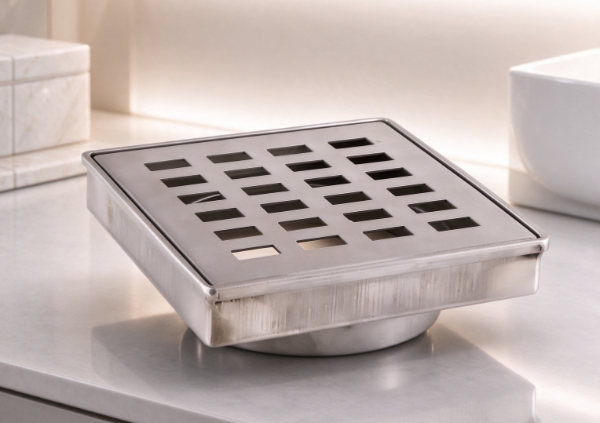
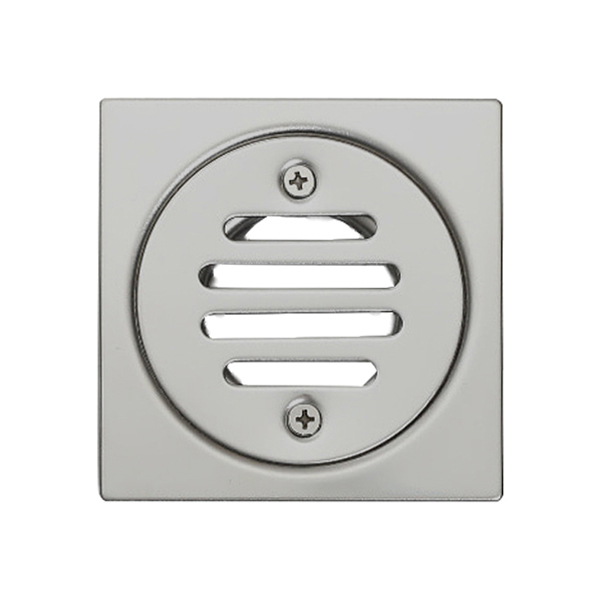
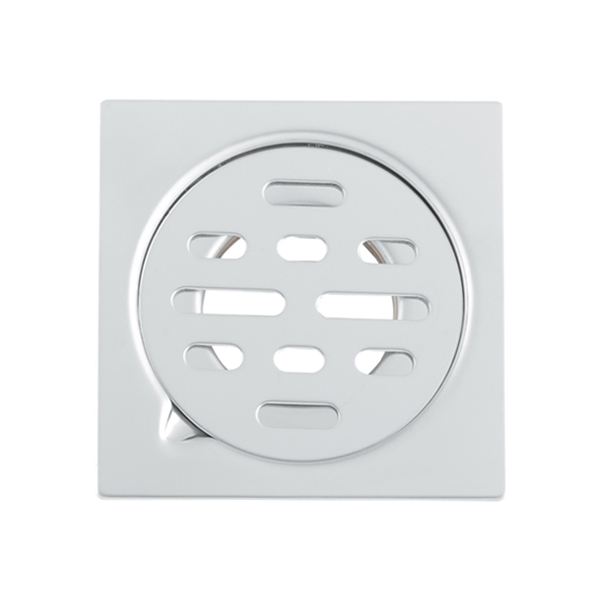
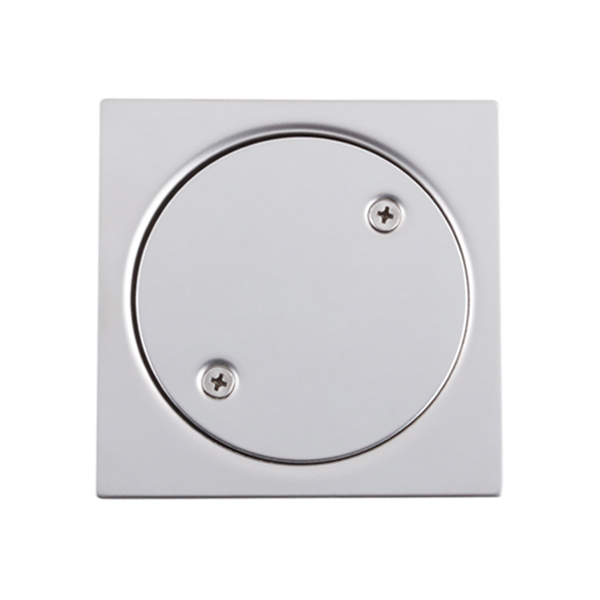
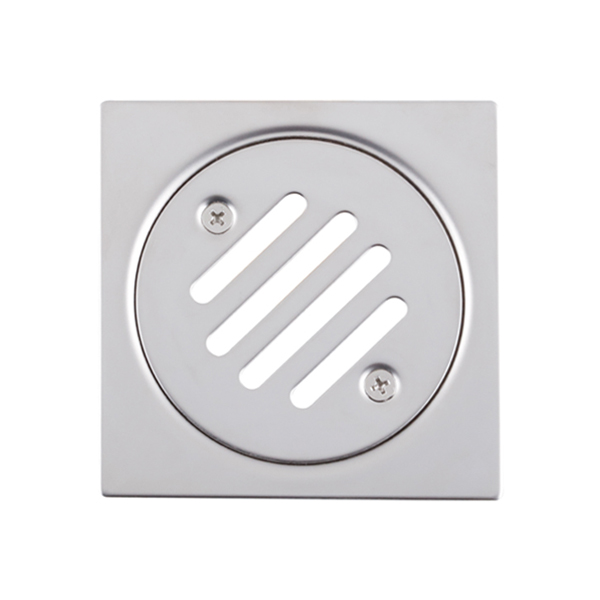
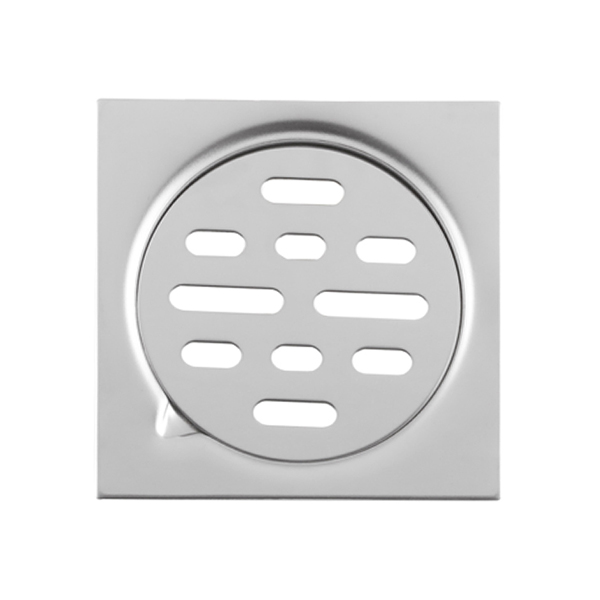
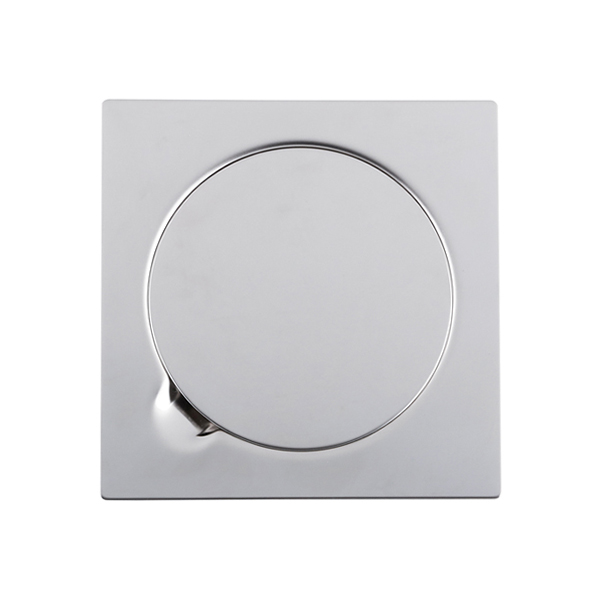
A floor drain is a fitting set at floor level to collect and remove water from an indoor or outdoor area. It normally connects to a drainage pipe under the floor. Water runs across the floor surface toward the drain, then enters the drainage system through an opening covered by a grate or plate.
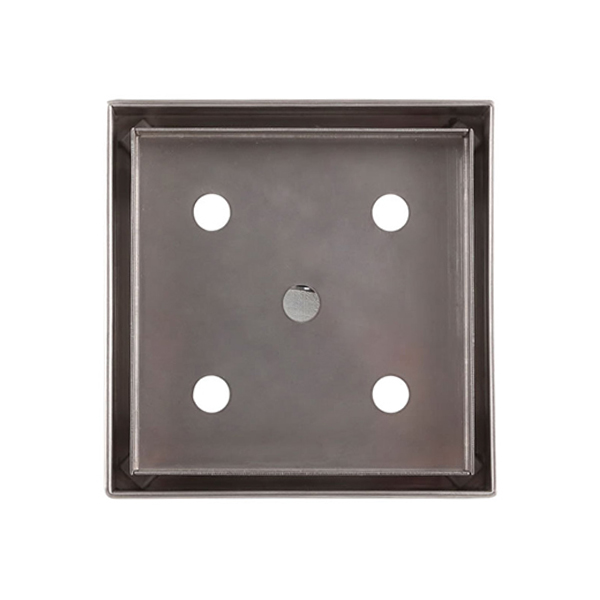
The basic structure has several parts, and each one helps collect water, prevent blockages, or control odors.
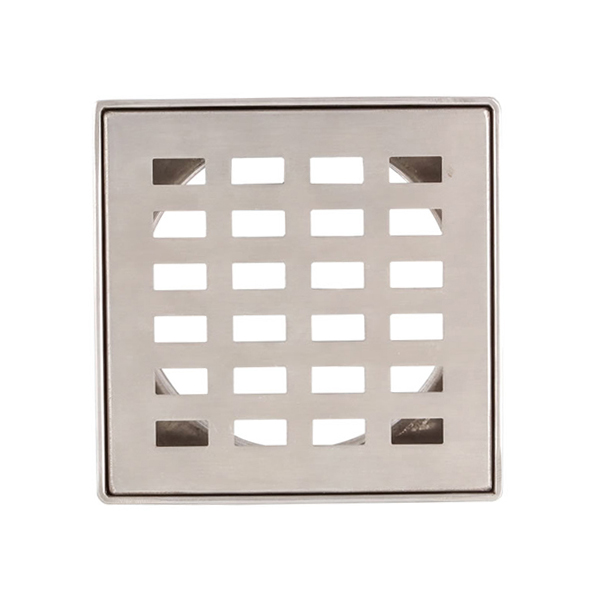
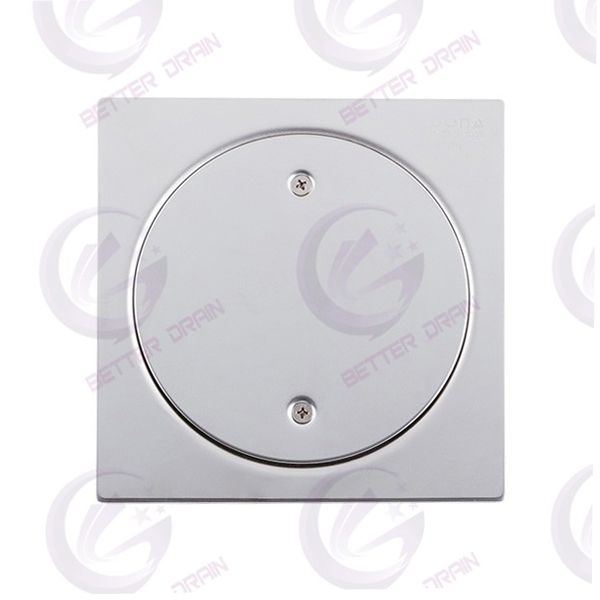
- Drain cover: The visible top lets water in and keeps larger objects out of the pipe.
- Drain body: This section gathers incoming water and sends it to the connected pipe.
- Water seal: Some drains hold a little water to stop sewer gases from entering the room.
- Filter or strainer: It catches hair, food particles, and other debris before they reach the drainage system.
- Drain outlet: The outlet links the drain to the building's wastewater pipes.
The process is simple. Water flows across the floor to the opening. The grate lets it through and holds back bigger objects. The water then enters the pipe and heads for the building's wastewater system.
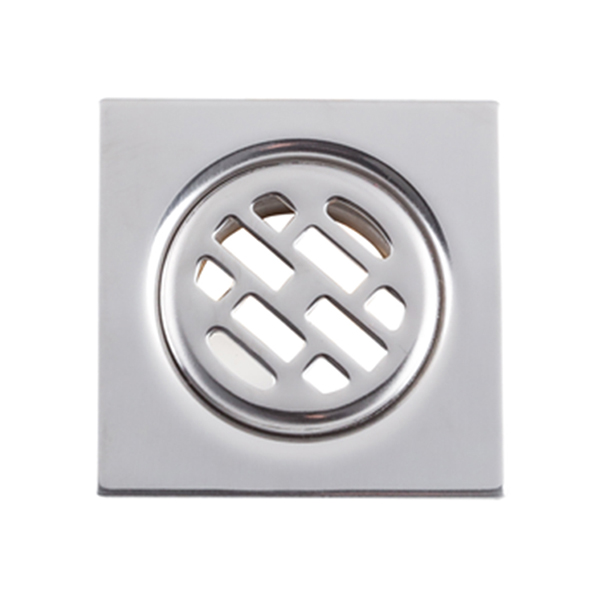
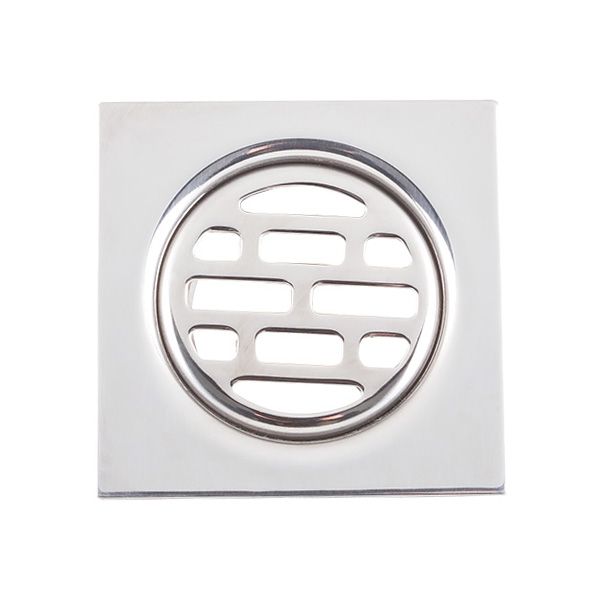
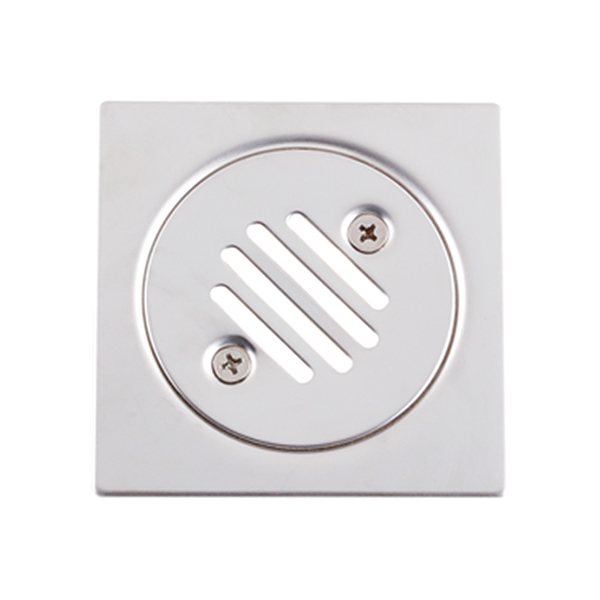
Not every floor drain works the same way, though. Some use water seals for odor control, while others rely on mechanical parts. Certain designs focus on handling large volumes, and others suit spaces where looks and floor layout matter most.
Those differences are why drains come in several forms, and why picking the right type matters.

 +86-576-87422105

 +86-576-87422322
 Xuancheng rd 32#, Yuhuan Economic Development Zone, Zhejiang, China
