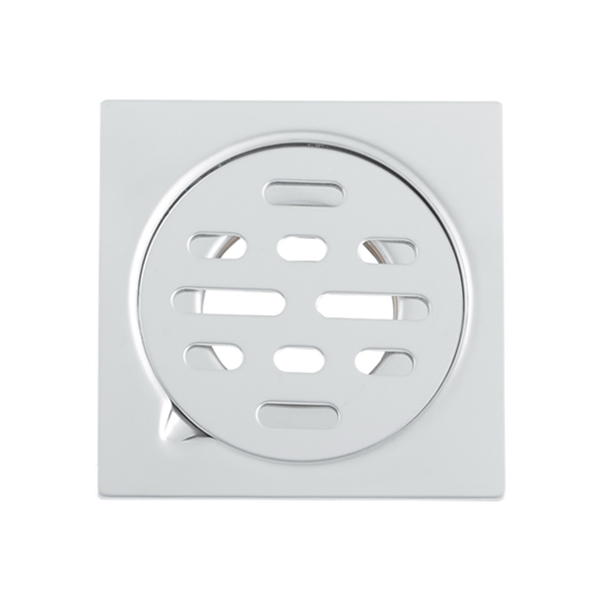
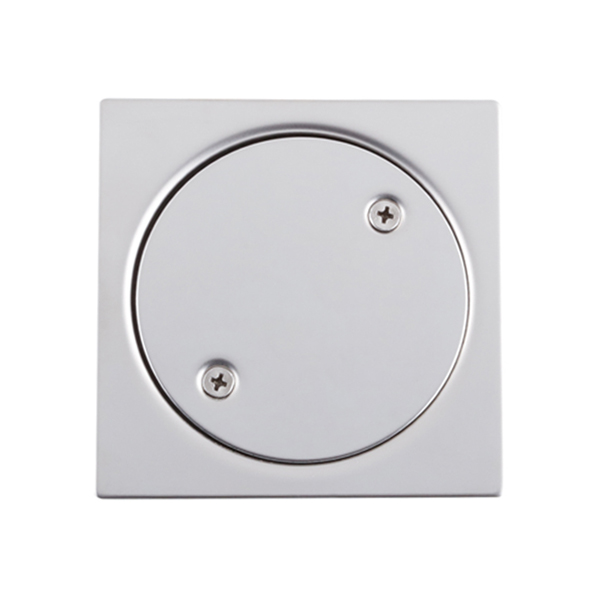
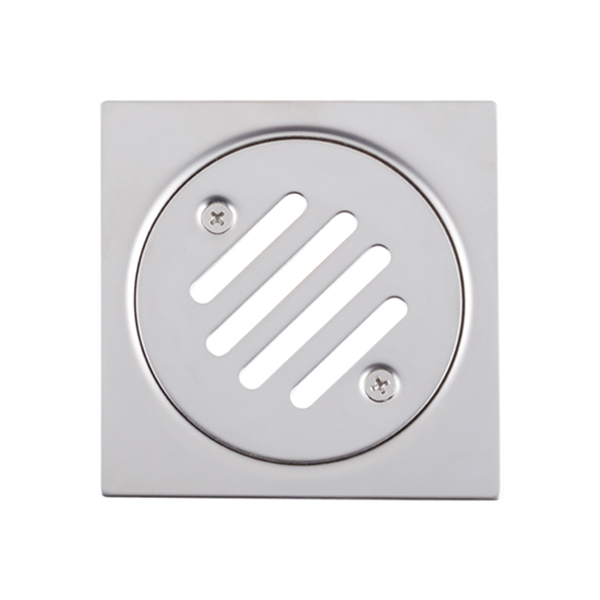
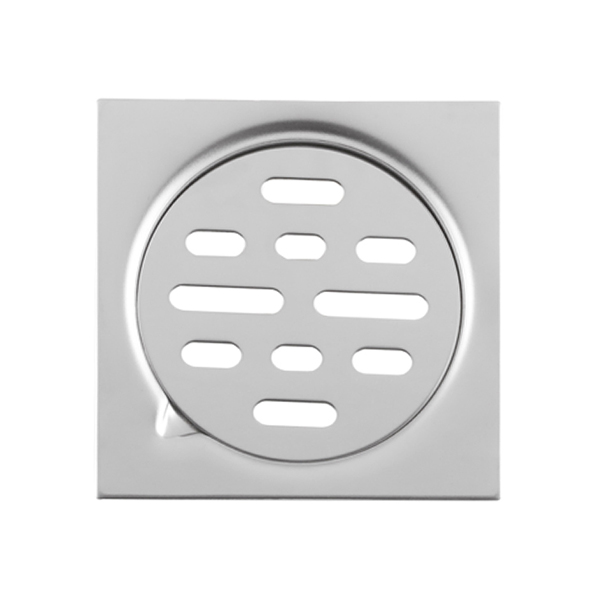
Become your trusted floor drain product partner and supplier in China.
Tel: +86-576-87422105, Email: [email protected]

"Nothing is best,only better". Better people are sincerely willing to cooperate with new and old customers. Let's hand in hand,and create the bright future together.
+86-576-87422105 Contact UsPersistent odors near shower floors. A faint film collecting around the drain grate after every cleaning cycle. Moisture that never fully clears, even in well-ventilated spaces. These are not isolated complaints — they point directly to how a drainage system is built and what it is built from. When the drain itself becomes a source of contamination rather than a path of removal, the entire purpose of a wet area is undermined. Selecting the right stainless steel floor drain is not simply a procurement decision; it shapes how cleanly a space can actually function over time.
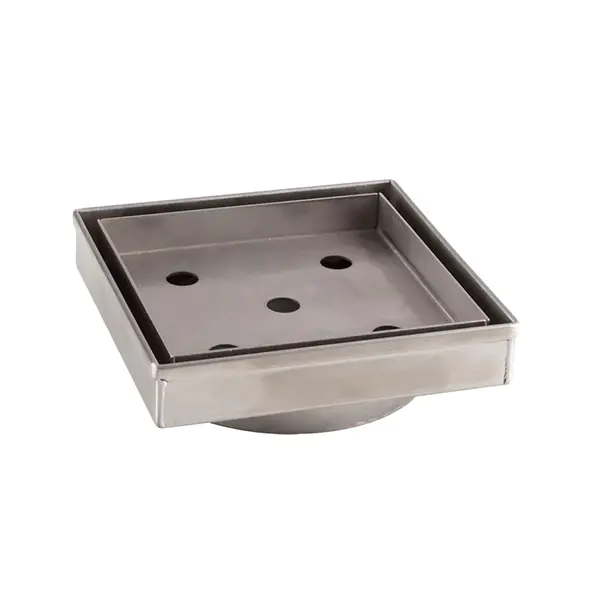
Water that drains slowly creates conditions where microorganisms thrive. Even short periods of pooling on a floor surface allow organic matter — soap residue, skin cells, food particles in commercial kitchens — to accumulate around drain openings. That accumulation becomes a substrate for biofilm, a layered colony of bacteria that adheres to surfaces and resists standard cleaning methods. The longer water lingers, the more established that film becomes. Drainage speed is only part of the picture. The geometry of the drain housing, the depth of any water seal, and the surface material all determine how readily bacteria attach and how easily they can be removed.
Many facility managers treat odors as an air quality problem and respond with ventilation or fragrance solutions. In most wet area environments, odor originates in the drain itself — specifically in the trap section, where a water seal is supposed to block sewer gases from rising back through the pipe. When that seal evaporates in infrequently used drains, or when the trap design allows stagnant water to collect, the result is a consistent, low-level odor that no surface cleaning can address. Solving the odor means addressing the drain structure.
The physical characteristics of stainless steel directly affect how bacteria behave on contact with it. Unlike plastic or painted cast iron, stainless steel presents a non-porous surface — meaning there are no microscopic cavities where organic matter can lodge and remain after wiping. This is not a coating or treatment that wears away; it is inherent to the material itself. Corrosion resistance plays a related role. In wet environments, surface degradation from moisture and cleaning chemicals creates microtexture on otherwise smooth materials. That microtexture accelerates bacterial adhesion. Stainless steel, when properly graded for the application, maintains its surface integrity across repeated exposure to water, detergents, and sanitizing agents — preserving the smooth finish that makes it difficult for biofilm to establish.
Why Stainless Steel Outperforms Alternatives in Demanding Environments
| Property | Stainless Steel | Plastic | Coated Cast Iron |
| Surface Porosity | Non-porous | Low to moderate | Variable with age |
| Corrosion Resistance | High | Moderate | Degrades over time |
| Cleaning Chemical Tolerance | Strong | Limited | Coating-dependent |
| Structural Longevity | Extended | Moderate | Dependent on coating |
| Biofilm Resistance | Strong | Moderate | Weakens as surface ages |
| Suitability for Regulated Environments | Widely accepted | Context-dependent | Rarely specified |
For facilities operating under hygiene regulations — hospitals, food preparation areas, institutional kitchens — stainless steel is the material most consistently specified precisely because its performance does not depend on coatings or treatments that can fail.
A drain that seals properly prevents sewer gas from entering a space. But the design of that seal also determines whether stagnant water collects inside the trap body. Shallow traps with poor flow geometry can hold residual water even after drainage is complete — water that then becomes a breeding environment between uses. A well-designed trap maintains a reliable seal while directing flow in a way that minimizes residual pooling. Self-cleaning flow paths, where the velocity and direction of draining water flush the internal surfaces of the drain body, reduce the organic load that accumulates between maintenance intervals. This is a structural feature, not a cleaning product — and it has a direct effect on how frequently intensive cleaning is required.
The grate sitting at floor level is the first point of intervention against blockage and contamination. Removable grates that can be lifted without tools, rinsed, and replaced lower the practical barrier to routine cleaning. Fixed or complex grate assemblies tend to be cleaned less frequently because the process is inconvenient — and infrequent cleaning of the grate surface is where debris accumulation begins. Below the grate, a debris filter or hair catcher intercepts solid material before it enters the drain body. The design of that filter affects whether it is actually used consistently. Filters that require partial disassembly or specialized tools to access tend to be bypassed during routine maintenance, defeating their purpose.
In clinical environments, drain hygiene carries infection control implications. Floors in treatment rooms, procedure areas, and patient bathrooms are cleaned with hospital-grade disinfectants on regular schedules. The drain must tolerate repeated chemical exposure without surface degradation — and it must not become a reservoir for pathogens that could be redistributed during floor cleaning. Recessed drain bodies that sit flush with the floor surface prevent water from pooling around the drain perimeter, supporting the continuous cleaning cycles these environments require.
Grease, food particulate, and warm water create aggressive conditions for drain systems. In these environments, hygiene is a regulatory matter — not simply a maintenance preference. Drains in food handling areas are subject to inspection, and contamination originating from a drain can affect compliance status. Stainless steel floor drains in these settings are typically specified with sloped internal channels and polished internal surfaces that allow grease-cutting cleaning agents to work effectively without leaving residue behind.
Guest bathrooms and wet spa areas present a different challenge: the drain must perform reliably across high turnover use while remaining visually unobtrusive. Hair accumulation is a constant concern in these settings. Drains with accessible hair-catching baskets that housekeeping staff can clear quickly — without specialized knowledge or equipment — reduce the likelihood of blockages developing between deeper cleaning cycles. In hospitality environments, a blocked or odorous drain generates direct guest complaints; the specification decision has a measurable service quality dimension.
High foot traffic means high organic load deposited on floors and around drain openings. Public washroom drains need to handle volume, resist tampering, and support rapid cleaning with aggressive chemicals. Stainless steel construction addresses the durability and chemical resistance requirements; grate designs that do not trap debris on their upper surfaces reduce the maintenance burden on cleaning staff working under time pressure.
Maintenance frequency should reflect actual use patterns. A drain in a high-traffic public shower requires more frequent attention than one in a private residential bathroom — but both benefit from a routine that includes:
Clearing the grate surface of visible debris after each use or shift.
Removing and rinsing the filter or hair catcher on a scheduled basis.
Flushing the drain body with warm water and an appropriate cleaning agent to address biofilm.
Inspecting the water seal periodically in drains that are used infrequently, topping up if evaporation has compromised the seal.
When Cleaning Alone Is Not Sufficient
There are situations where routine cleaning does not resolve persistent odor or contamination — typically because the drain design itself is contributing to the problem. Signs that the drain structure warrants review include:
In these cases, the drain assembly may need replacement rather than continued maintenance effort. A drain that has reached the point where its surfaces can no longer be effectively cleaned becomes a net negative for the hygiene of the entire space.
No single drain configuration serves every wet area context equally well. The selection process should account for:
Point drains suit most residential and light commercial applications. Linear channel drains offer advantages in large wet areas — commercial showers, spa floors, production facilities — where water needs to be collected across a broader surface without directing foot traffic toward a central point.
Does the drain body allow visual inspection of the trap and filter without full disassembly?
Can cleaning staff clear the filter in under a minute without tools?
Does the grate profile prevent debris from collecting on its upper surface?
They determine whether the drain will be maintained as intended or worked around in practice.
Hygiene in wet areas is not achieved through cleaning products alone. The underlying system — how water moves, where it slows, what surfaces it contacts, and how easily those surfaces can be cleaned — determines the baseline condition that maintenance is working to maintain. A well-specified stainless steel floor drain does not eliminate the need for regular upkeep, but it changes what that upkeep needs to accomplish. Facilities that have moved from degraded or poorly designed drain systems to properly specified stainless steel installations consistently find that cleaning cycles become less intensive, odor complaints reduce, and inspection results improve — not because cleaning effort increased, but because the system itself stopped working against the hygiene program.
For procurement teams, project engineers, and facility managers evaluating drainage solutions, Yuhuan Better Machinery Co., Ltd. offers stainless steel floor drain products designed around the practical demands of commercial and institutional wet area environments. Reaching out to their team is a reasonable starting point for projects where drainage hygiene is a specified requirement rather than an afterthought.
Copyright © Yuhuan Better Machinery Co., Ltd. All rights reserved

English
Español
عربى