Become your trusted floor drain product partner and supplier in China.
Tel: +86-576-87422105, Email: [email protected]

Bathroom drain problems have a way of announcing themselves at the worst possible moments — slow drainage during a morning shower, a persistent odor that cleaning products don't fix, or rust staining spreading across tile grout from a failing drain cover. These aren't minor inconveniences. They're signs that the drain installed in the bathroom wasn't suited to the conditions it was asked to handle. A Stainless Steel Floor Drain solves many of these problems by design — but not all stainless drains are built the same way, and choosing one without understanding the relevant differences leads to the same frustration with a newer product. Whether the project is a new bathroom build, a renovation, or a commercial wet area installation, getting this selection right the first time matters.
The decision involves more than material. Design type, anti-odor mechanism, drainage capacity, and compatibility with the specific bathroom layout all affect whether a drain performs reliably over years of daily use or becomes a maintenance problem within the first year.
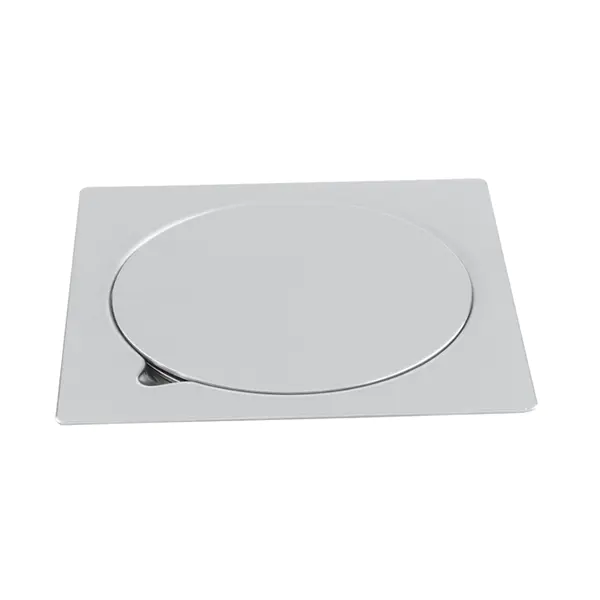
Bathroom environments are consistently wet. Soap residue, shampoo, cleaning chemicals, and standing water create a chemically active environment that accelerates corrosion in materials that aren't specifically suited to it. Stainless steel's corrosion resistance comes from its chromium content, which reacts with oxygen to form a stable, self-repairing oxide layer on the surface. This passive layer regenerates when the surface is scratched or damaged, which is why stainless steel maintains its surface integrity in ways that chrome-plated or painted alternatives don't.
The practical consequence is that a quality stainless drain doesn't rust, pit, or stain the surrounding tile over time. For installation in locations where visual appearance matters — and most bathrooms fall into this category — that durability translates directly into long-term satisfaction.
Stainless steel is a category, not a single specification. Within that category, the alloy composition determines how the material performs in specific environments.
Grade 304 stainless contains chromium and nickel in proportions that provide reliable corrosion resistance in typical bathroom conditions — clean water, standard cleaning chemicals, and normal humidity levels. It's the commonly used grade for residential bathroom drainage and performs well in most domestic applications.
Grade 316 stainless adds molybdenum to the alloy, which substantially improves resistance to chloride-induced corrosion. In bathrooms that use chlorinated cleaning products regularly, swimming pool areas, coastal properties with salt air exposure, or commercial facilities where harsh cleaning agents are standard, 316 grade offers meaningfully better long-term performance than 304.
For most residential bathrooms, 304 grade is adequate when the manufacturing quality is sound. For demanding environments or premium installations where long service life without surface deterioration is a priority, 316 grade is the more reliable choice.
A linear drain is a channel-style drain installed flush along one edge of a shower area or across a bathroom floor. Instead of directing water toward a central point, the floor slopes in one direction toward the channel, where water is collected across the full length of the drain.
Linear drains suit:
The drain capacity of a linear design is typically higher than a point drain of equivalent footprint, because the collection surface is distributed along the channel length rather than concentrated at a single outlet. This makes it practical for high-flow showerheads and large shower areas.
A point drain is positioned at the low point of the floor, with the floor sloping from multiple directions toward the center. This is the conventional approach in most residential bathrooms, and it remains a reliable and practical solution for standard bathroom configurations.
Point drains suit:
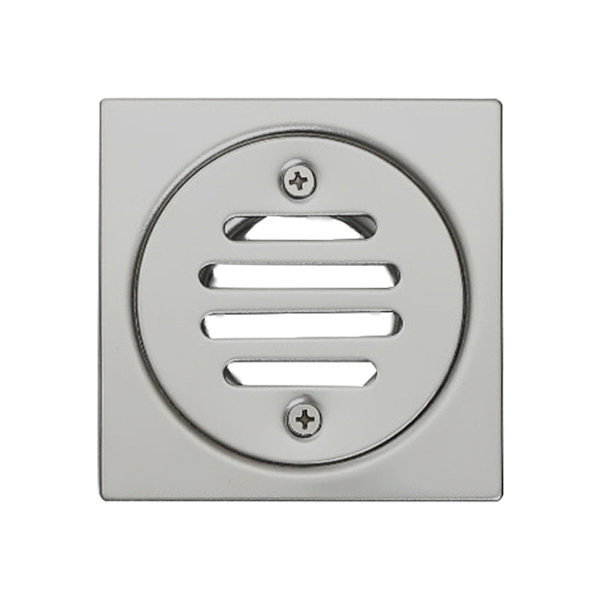
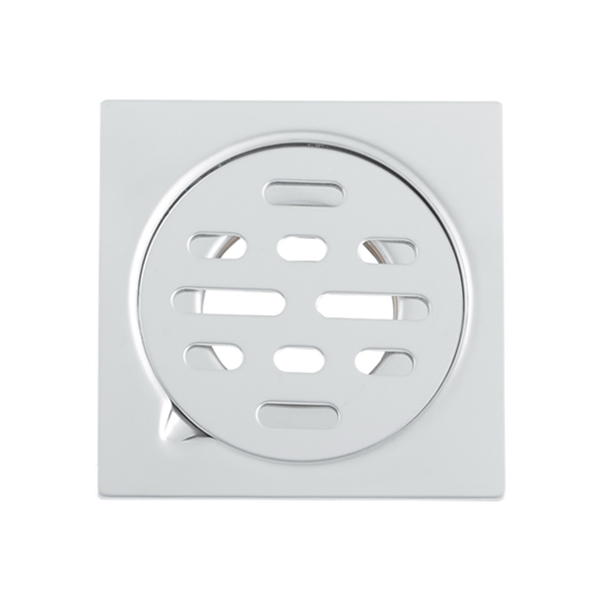
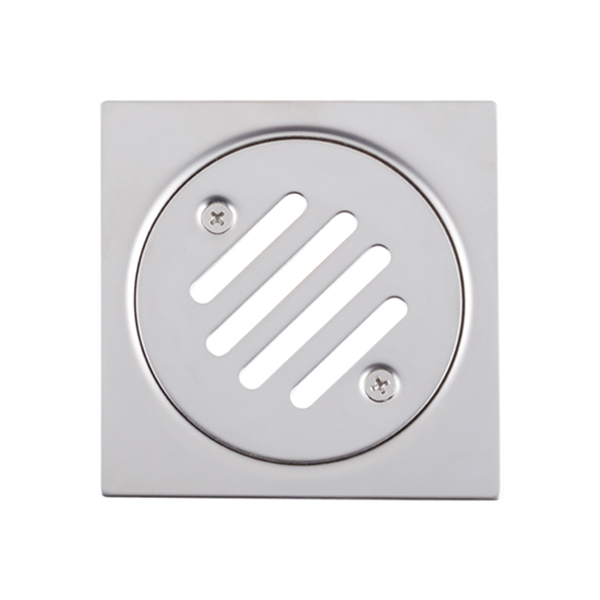
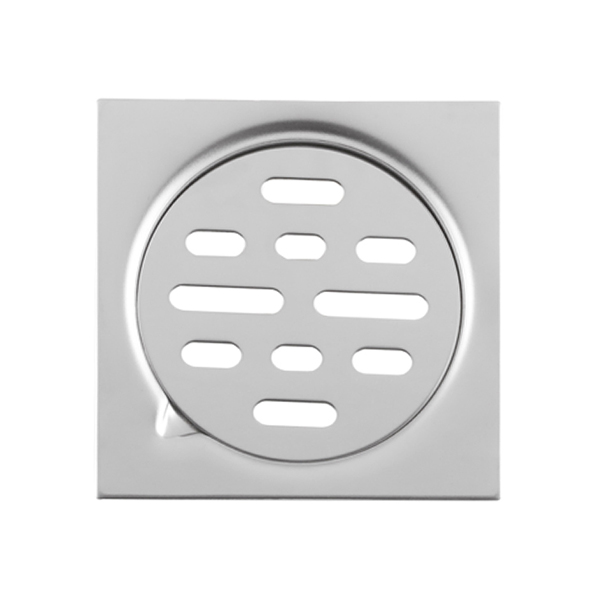
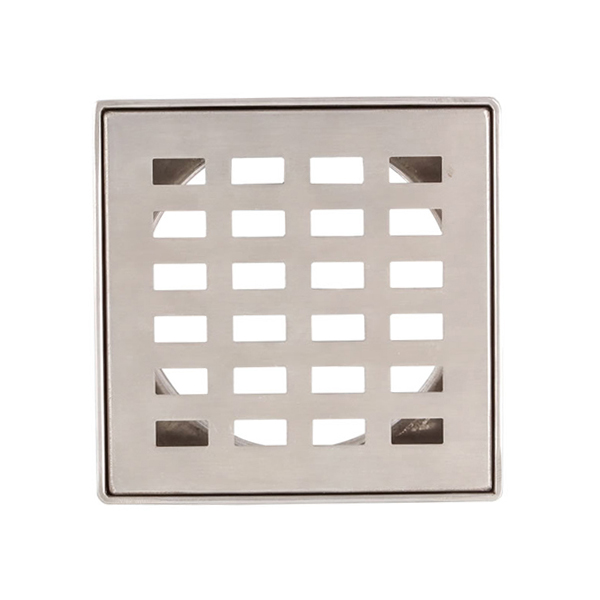
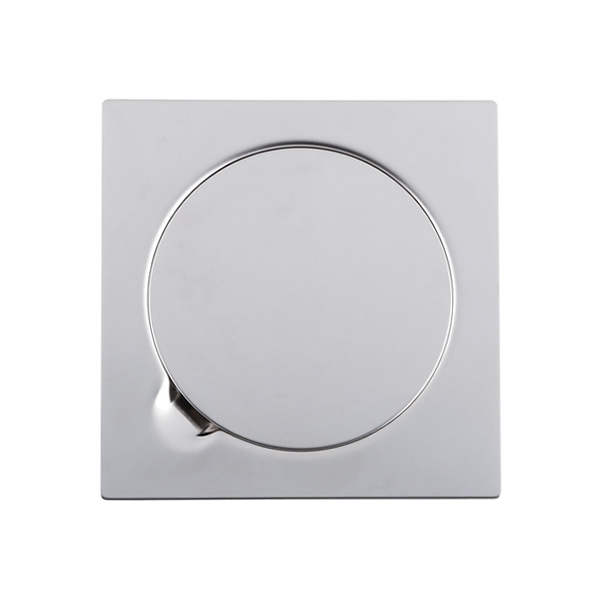
Within the point drain category, square covers suit contemporary tile patterns and grid layouts. Round covers work with more traditional or curved design elements. The choice between them is primarily aesthetic unless the tile format creates a specific fitting requirement.
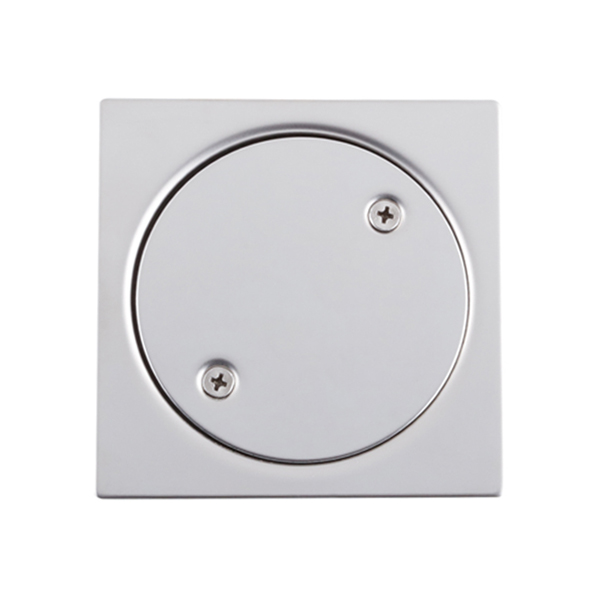
A tile-insert drain has a recessed cover that holds a cut piece of the same tile used on the bathroom floor. When installed correctly, the drain is nearly invisible from normal standing height — only the outline of the cover is visible. This design suits bathrooms where a continuous, uninterrupted floor surface is the design goal.
Tile-insert drains require more careful installation than standard drains — the tile insert needs to be cut precisely and the drain height needs to be set accurately during installation to ensure the tile sits flush with the surrounding floor. For professional installation in a renovation or new build, this is manageable. For DIY installation, the precision required is higher than for a standard drain cover.
Sewer odor enters a bathroom through the drain when the barrier between the drainage pipe and the bathroom interior breaks down. The standard solution is a water trap — a section of the drain body shaped to retain a small amount of water after use, which physically blocks sewer gases from traveling back through the drain.
A floor drain with a built-in water trap maintains this seal automatically as long as the bathroom is used regularly. The trap refills with each use, so the odor barrier is continuously renewed.
The limitation of water trap designs in floor drains — as opposed to basin or toilet traps — is evaporation. A drain that isn't used for extended periods loses its water seal as the trapped water evaporates, allowing odor to enter. This is a common issue in guest bathrooms, vacation properties, or any drain that sees infrequent use.
Mechanical or membrane seal designs use a physical closure — typically a silicone flap, weighted ball, or spring-loaded seal — that remains closed when no water is flowing through the drain. The seal opens under the weight or pressure of flowing water during use and returns to the closed position afterward.
This approach maintains the odor barrier even when the drain hasn't been used for weeks or months, which makes it well-suited for:
Some designs combine a water trap with a mechanical seal, providing both a physical water barrier and a backup mechanical seal for conditions where the water trap evaporates.
The cover sitting over the drain body affects airflow between the drain interior and the bathroom. A cover with a single large opening allows more air exchange — which can carry odor upward even when the trap is functioning. A cover with a fine mesh or small perforations reduces this effect while still allowing drainage.
Cover material matters too: a stainless steel cover with a tight-fitting seat against the drain body creates a better seal around the perimeter than a loosely fitting cover, regardless of the trap mechanism below it.
A floor drain that handles a standard showerhead without backing up may struggle with a rainfall showerhead that delivers water across a wide area at higher flow. The difference in water volume hitting the floor per minute can be substantial, and a drain that isn't sized appropriately for the flow rate will allow water to accumulate temporarily — creating the impression of poor drainage even if the drain is functioning correctly within its design limits.
Factors that affect how much drainage capacity a bathroom actually needs:
When in doubt about drainage capacity, choosing a drain with a larger outlet size is a straightforward way to ensure the installation handles peak demand without issue.
A drain that flows well when new but clogs progressively is a common frustration. The strainer or filter element sitting at or above the drain body is responsible for intercepting hair, debris, and particles before they enter the drain pipe. The design of this element determines how effectively it captures debris, how easy it is to clean, and how quickly it blocks under normal use.
Useful strainer design features:
A strainer that's difficult to remove or locate below the drain cover level will be cleaned less frequently — and infrequent cleaning leads to faster clogging.
| Feature | Linear Channel Drain | Square Point Drain | Round Point Drain | Tile-Insert Drain |
|---|---|---|---|---|
| Drainage direction | One-direction slope | Multi-direction slope | Multi-direction slope | Multi-direction slope |
| Suitable for walk-in shower | Strong fit | Less practical | Less practical | Strong fit |
| Suitable for shower tray | Not typically | Yes | Yes | Possible |
| Installation complexity | Higher | Moderate | Moderate | High |
| Visual appearance | Modern, linear | Clean, geometric | Traditional | Near-invisible |
| Drainage capacity | High | Moderate to high | Moderate | Depends on outlet size |
| Anti-odor mechanism options | Full range | Full range | Full range | Full range |
| Maintenance access | Easy | Easy | Easy | Moderate |
| Tile compatibility | Continuous large tile | Any tile format | Any tile format | Requires precise tile cut |
A drain installed at the wrong height relative to the finished floor creates drainage problems that no amount of cleaning or maintenance will fix. If the drain sits higher than the surrounding floor surface, water doesn't flow toward it efficiently. If it sits lower, a recessed area around the drain collects debris and requires more frequent cleaning.
Setting the correct drain height requires knowing the finished floor thickness — tile, adhesive, and any waterproofing membrane — before installation, so the drain body can be positioned at the precise level that brings the cover flush with the finished surface.
Floor slope should direct water consistently toward the drain from every point in the shower or wet area. For a point drain, this means sloping in four directions from the edges toward the center. For a linear drain, it means a single consistent slope toward the channel. Both require planning before tile installation begins.
The join between the drain body and the surrounding floor membrane is one of the more common sources of water ingress into the floor structure beneath a bathroom. Even a small gap or failure in the waterproofing at this junction allows water to penetrate the substrate over time, eventually causing structural damage or mold growth below the tile.
Reliable waterproofing at the drain requires:
For professional installation in a renovation or new build, the waterproofing stage is worth particular attention regardless of the drain type selected. A well-specified drain installed with poor waterproofing fails at the weak point in the system, not the component.
The majority of floor drain problems — slow drainage, odor, visible buildup — are prevented by consistent maintenance rather than by selecting a more expensive product. A drain that's cleaned regularly performs reliably. A drain that's cleaned only when problems develop spends much of its service life in partial failure.
Practical maintenance habits:
None of these steps require specialized tools or knowledge. They're quick, routine tasks that keep the drain functioning as intended between the years of service that a quality stainless installation should provide.
Some drain problems indicate that cleaning won't restore normal function. Signs that a drain may need replacement rather than maintenance:
Hotel bathrooms, gym facilities, commercial washrooms, and high-traffic hospitality spaces place demands on floor drains that residential products aren't designed to handle. Higher daily water volume, more frequent cleaning with stronger chemicals, multiple users per day, and the expectation of many years of service without replacement all require a product selected and specified with these conditions in mind.
Key considerations for commercial bathroom drain selection:
For procurement at volume — hotel fitouts, apartment developments, commercial construction projects — consistency of specification and supply reliability matter alongside product quality. Sourcing from a manufacturer with production capacity for bulk orders and the ability to supply consistent specifications across a large project reduces the risk of variation between units.
Selecting the right drain type and specification is only as valuable as the quality of the product that arrives. Manufacturing quality — material grade consistency, machining precision at thread and seat connections, surface finish quality, and assembly of internal components — varies significantly across the market, and the differences often aren't visible until the product is installed and in service.
For construction professionals, interior designers, hotel procurement teams, and residential renovation contractors sourcing Stainless Steel Floor Drains with consistent quality and appropriate specification for bathroom applications, Yuhuan Better Machinery Co., Ltd. manufactures a range of bathroom drainage products including point drains, linear drains, and tile-insert formats in both 304 and 316 stainless steel grades. Their production covers residential, commercial, and hospitality applications, with supply capacity for both single-project quantities and large-volume procurement. Working with a manufacturer that understands the application requirements — drainage capacity, anti-odor design, installation compatibility, and long-term corrosion resistance — rather than simply supplying a product to a general specification reduces the risk of specification mismatches that only become visible after installation. If your project requires stainless floor drain products in specific grades, designs, or custom dimensions, reaching out to discuss specifications and supply arrangements is a straightforward next step toward a drainage solution that performs reliably for the full service life of the bathroom.
Copyright © Yuhuan Better Machinery Co., Ltd. All rights reserved

 English
 Español
 عربى
عربى

 +86-576-87422105
 +86-576-87422322
 Xuancheng rd 32#, Yuhuan Economic Development Zone, Zhejiang, China