
 English
 Español
 عربى
عربى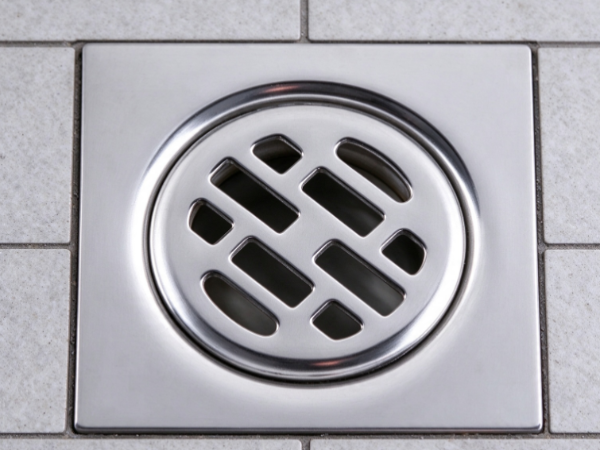
A floor trap gives water a collection point on the floor and directs it toward the drainage outlet. It usually gets installed in spots where water is likely to spill, splash, or pool during normal use. The surrounding floor is typically designed to guide water toward that drain, letting it leave the area rather than sit around on the surface.
In a bathroom, water from a shower flows across the floor toward the trap. In a laundry room, the drain helps manage water released during cleaning or the occasional spill. Commercial kitchens and other service areas often need floor drainage too, mainly to support the routine washing and housekeeping that keeps the space usable.
How well this arrangement actually works depends on a lot more than just the drain itself. Floor slope, where the outlet sits, the surrounding waterproofing, and the connection to the drainage system all shape the end result. Even a genuinely well-made floor trap can underperform if it's installed in the wrong spot or connected incorrectly.
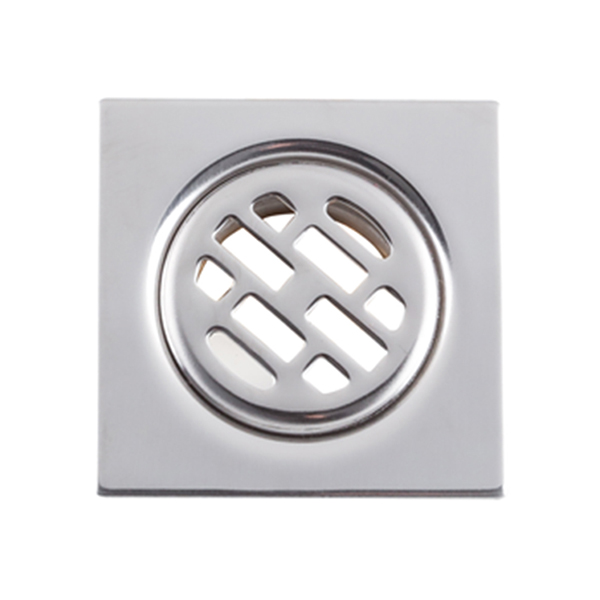
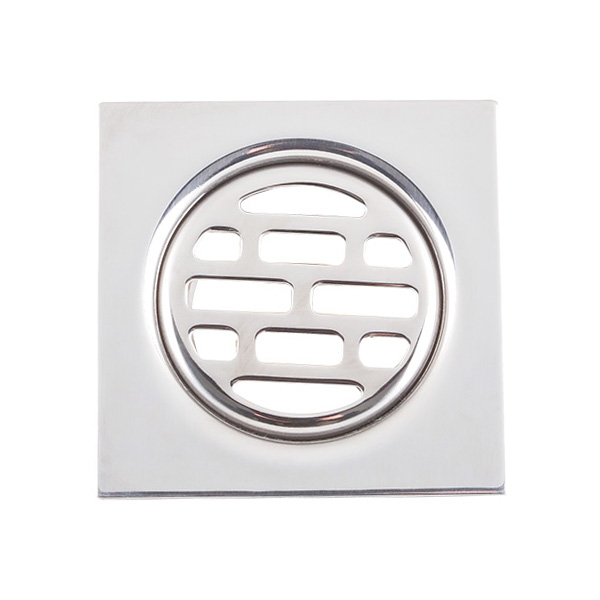
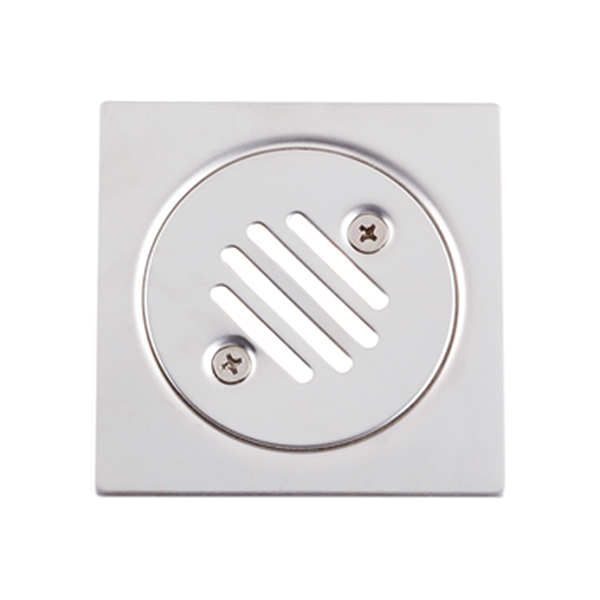
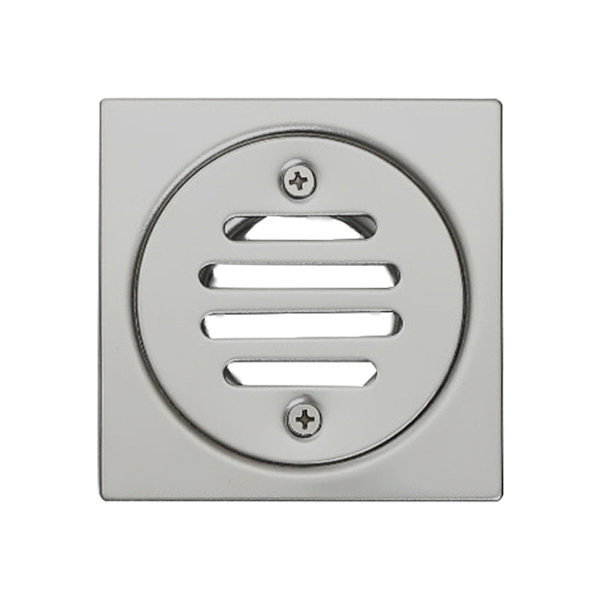
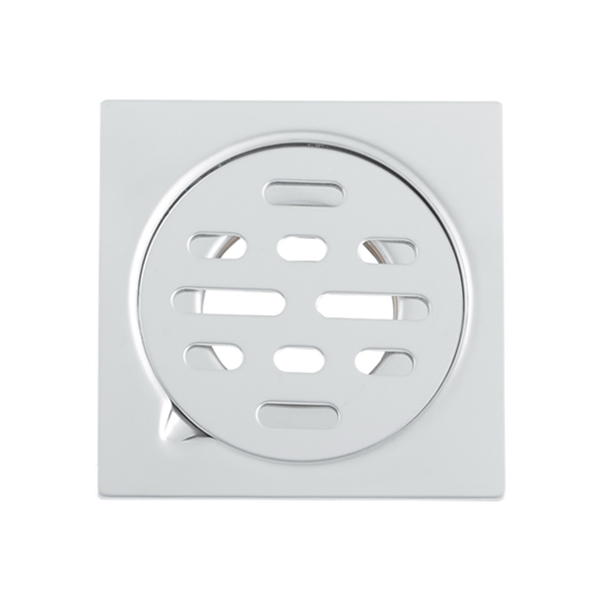
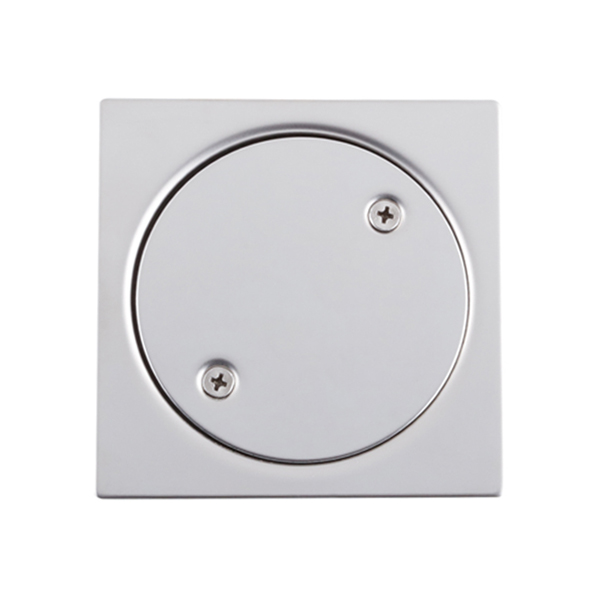
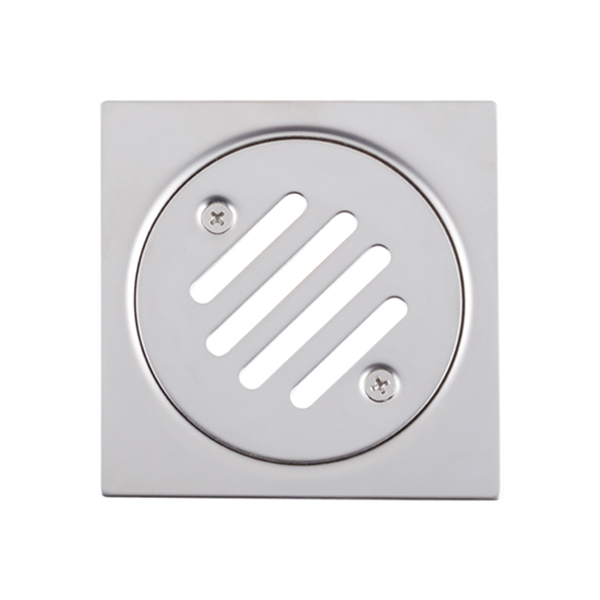
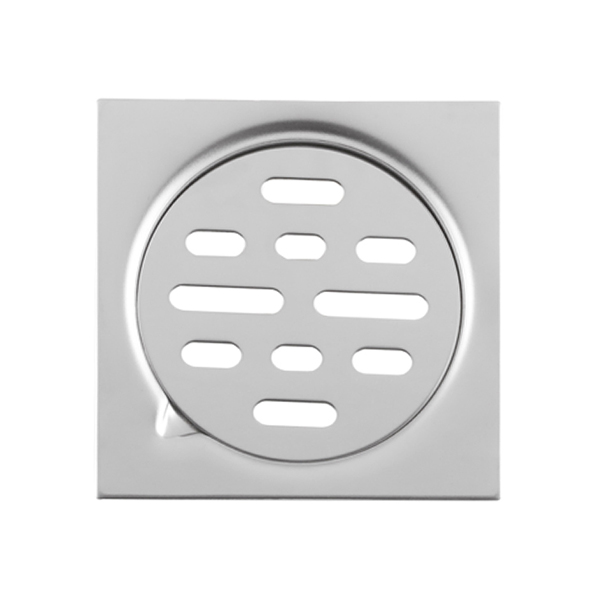
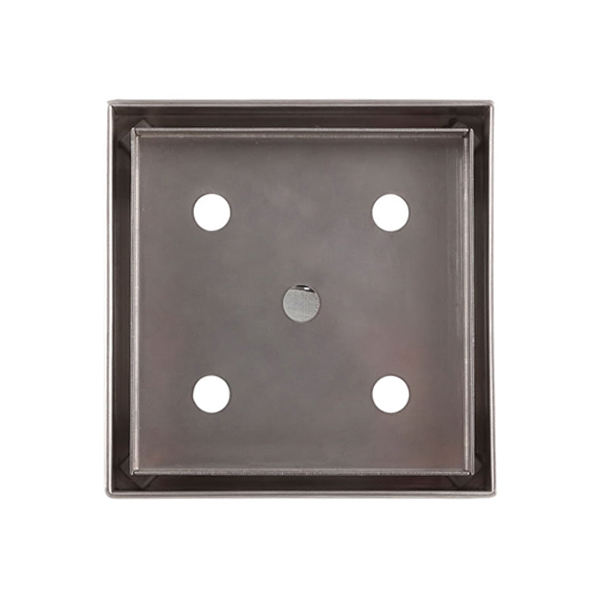
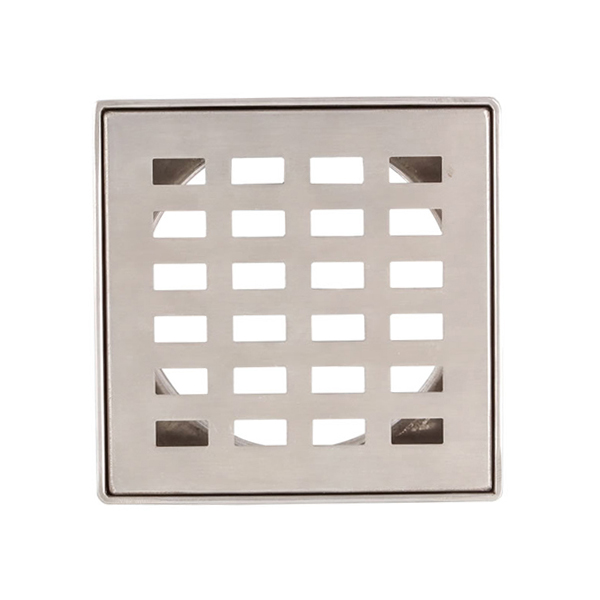
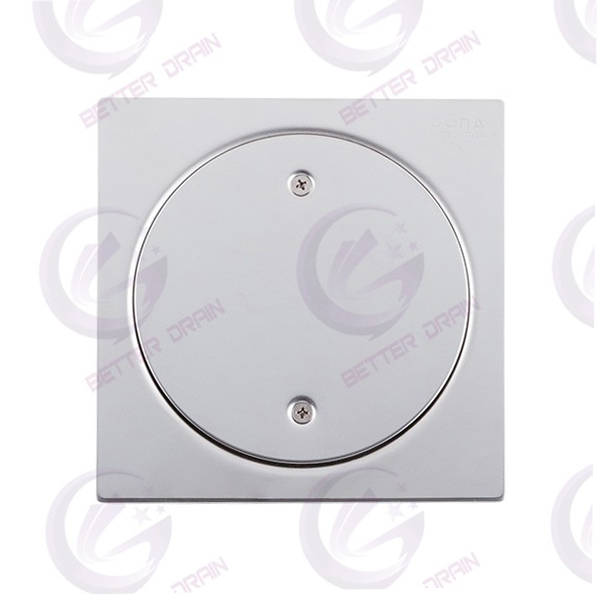
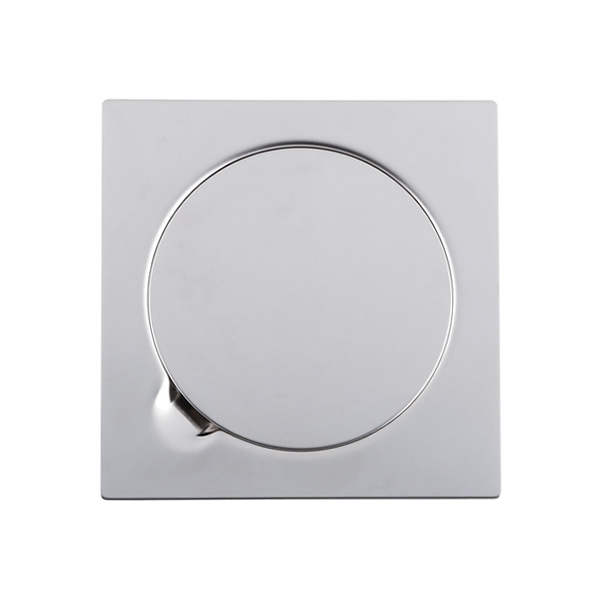
A stainless floor trap also includes a cover sitting over the drainage opening. Depending on the design, that cover can help keep larger debris out of the pipe while still letting water pass through freely. Some products use a removable grate, which gives maintenance workers direct access to the area underneath.
The floor trap, then, serves both a functional and a genuinely practical purpose at once. It manages surface water while creating an accessible drainage point that fits naturally into the overall building layout.

 +86-576-87422105
 +86-576-87422322
 Xuancheng rd 32#, Yuhuan Economic Development Zone, Zhejiang, China