Become your trusted floor drain product partner and supplier in China.
Tel: +86-576-87422105, Email: [email protected]

A floor drain might seem like a minor detail in a building, but it actually plays a fairly important role in keeping wet areas clean and functional day to day. Bathrooms, kitchens, balconies, laundry rooms, and commercial spaces all depend on proper drainage to manage water flow and keep things comfortable to use.
Picking the right floor drain type takes more than choosing something that just looks nice. Different spaces come with different needs — a home bathroom might prioritize odor control and easy cleaning, while a commercial space probably needs something built to handle frequent use without much fuss. Getting a sense of the purpose, location, and everyday conditions of a drainage area tends to make the whole selection process a lot more straightforward.
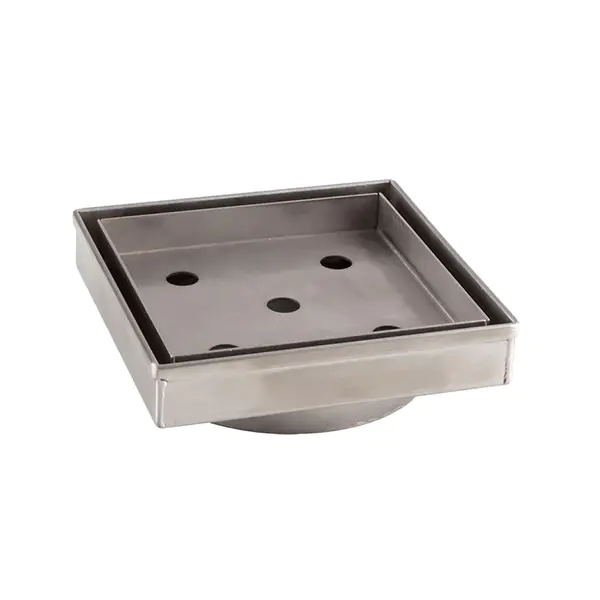
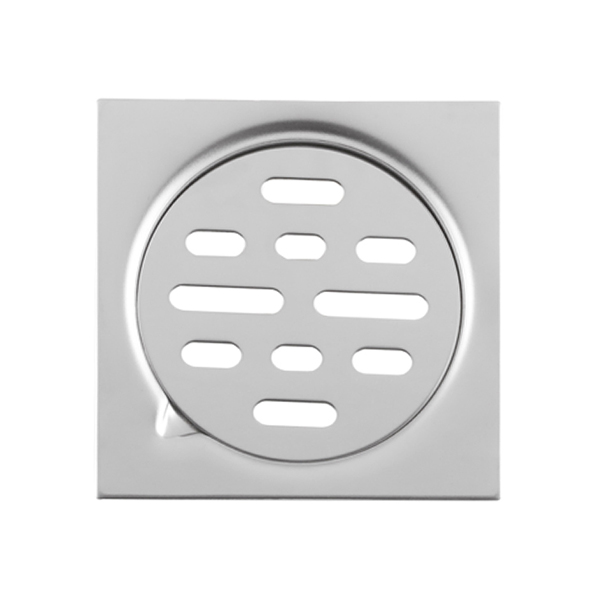
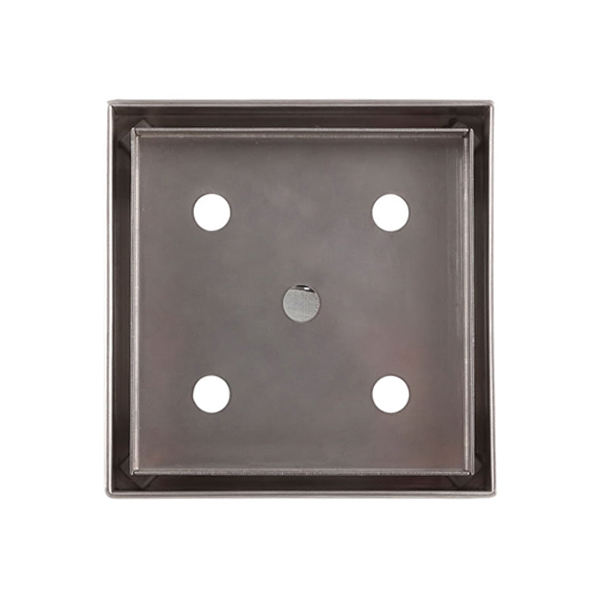
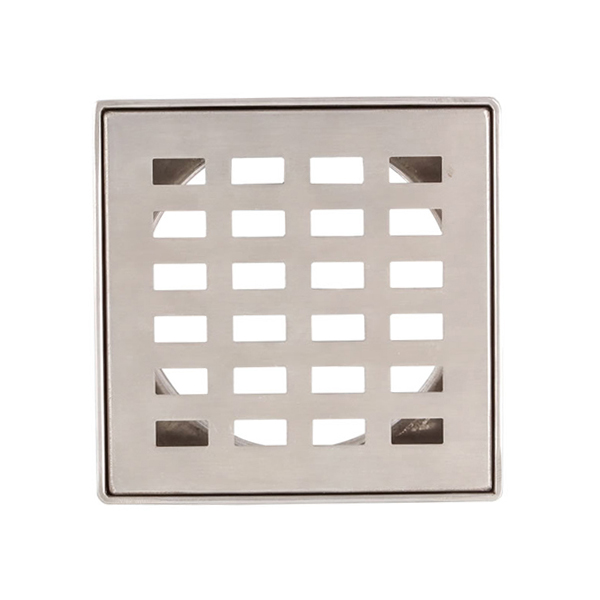
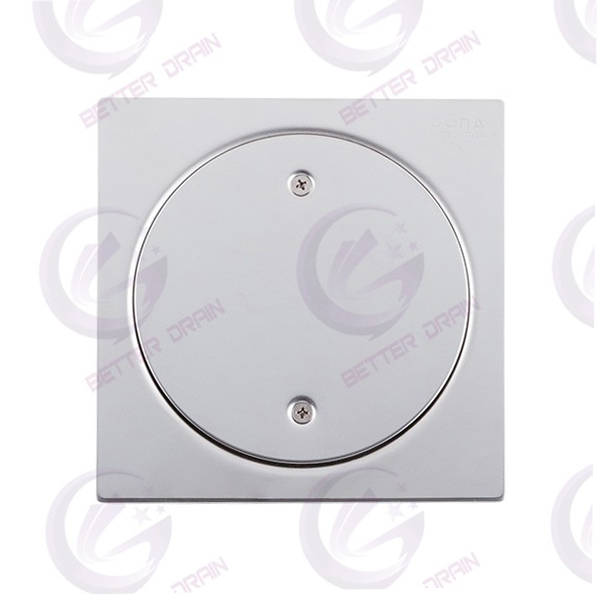
At their core, floor drains collect and remove water from floor surfaces, connecting the visible floor to a drainage system underneath. But different Floor Drain Types get built for different situations — their design tends to shift depending on where they're installed and what they're expected to handle.
Common application areas:
| Area | Common Drainage Need |
|---|---|
| Bathroom | Remove water from shower and washing areas |
| Kitchen | Handle water from cleaning activities |
| Balcony | Manage outdoor water accumulation |
| Commercial spaces | Support regular drainage use |
The right drain helps prevent standing water and generally makes cleaning easier. What counts as "right" really depends on the environment rather than any single design feature — a drain that performs well in one space might not work nearly as well somewhere else.
Location is probably one of the biggest factors in picking a floor drain. Different areas deal with different conditions — a bathroom sees regular, predictable water use, while an outdoor space has to contend with changing weather on top of everything else.
Before settling on a drain, it's worth thinking through:
A bathroom drain, for example, should fit the daily habits of whoever's using the space. A kitchen drain might need to handle a different type of water flow altogether. The environment really determines which features end up mattering most.
There's a fair range of floor drain designs out there, and each tends to suit a different kind of application.
Some common categories:
| Type | Common Application |
|---|---|
| Bathroom floor drains | Residential wet areas |
| Kitchen floor drains | Food preparation and cleaning spaces |
| Outdoor floor drains | Balconies, yards, and open areas |
| Commercial floor drains | Public and working environments |
Choosing based on location tends to create a much better fit between the product and the space it's going into. A small residential bathroom and a busy commercial facility, after all, come with fairly different expectations around maintenance, appearance, and daily wear.
Water needs to actually leave the floor, and it needs to do so efficiently. A well-suited floor drain supports smooth water movement and cuts down on the problems that come from poor drainage.
When comparing options, people tend to look at:
| Consideration | Why It Matters |
|---|---|
| Water removal ability | Helps keep surfaces dry |
| Drain structure | Shapes the day-to-day use experience |
| Maintenance needs | Affects long-term convenience |
| Space compatibility | Helps match installation conditions |
Good drainage isn't only about speed, though — it's also about building a reliable system that fits naturally into the surrounding environment, rather than one that quietly creates extra maintenance headaches down the line.
Unpleasant smells are a genuinely common complaint when it comes to drainage areas. Since a floor drain connects directly to the drainage system, its design should help keep unwanted odors from creeping back into indoor spaces.
Worth considering when picking a drain:
Bathrooms and kitchens in particular benefit from drainage solutions that take odor prevention seriously. A comfortable indoor space really depends on how well all these small components work together, not just how the drain looks on its own.
A floor drain needs regular upkeep to keep working the way it should. Some designs make this a lot easier, simply because users can get to the important parts without much hassle.
Maintenance factors worth weighing:
| Maintenance Factor | Importance |
|---|---|
| Easy cleaning access | Makes routine care simpler |
| Debris control | Helps reduce blockages |
| Surface design | Influences how easy cleaning actually is |
| Daily usage habits | Determines how often maintenance is needed |
A drain in a heavily used area probably needs more attention than one tucked away in a private space. Picking a design that matches realistic maintenance habits tends to make everyday cleaning a lot less of a chore.
Material choice affects a floor drain's appearance, durability, and how well it suits different environments. Different spaces often call for different materials.
Worth keeping in mind:
Indoors, appearance often matters more, since the drain becomes part of the visible floor. Outdoors or in commercial settings, durability and practicality tend to take priority instead. What's suitable really comes down to where the drain's going and how it'll actually get used.
Modern interiors tend to weigh function and appearance together these days. A floor drain isn't just a hidden utility part anymore — in a lot of spaces, it needs to fit the overall design too.
Design factors worth considering:
A bathroom with a modern look, for instance, probably needs a drain that blends naturally with the surrounding tiles. A commercial space might lean more toward practical appearance paired with easy upkeep. Ideally, the design supports both function and visual style at the same time.
Before locking in a decision, it helps to walk through the actual needs of the installation area. A few useful questions:
Location shapes which design and features make the most sense.
A private bathroom and a public facility come with fairly different considerations.
Some people prefer easier cleaning and lower-effort upkeep than others.
The drain should sit naturally within the overall look of the area.
Thinking ahead about issues like odor or water pooling tends to guide the selection process in the right direction.
A well-chosen floor drain does more than just move water out of the way — it contributes to a cleaner, more comfortable space overall. At home, the right choice tends to make bathrooms and kitchens noticeably easier to manage day to day. In commercial spaces, it supports daily operations by actually fitting the demands of that particular area. Choosing the right floor drain type really comes down to paying attention to installation location, drainage needs, maintenance habits, material choice, and design preferences all together. Once these factors are clear, picking a drainage solution that genuinely fits the space — and holds up to everyday use — becomes a much more straightforward decision.
Copyright © Yuhuan Better Machinery Co., Ltd. All rights reserved

 English
 Español
 عربى
عربى

 +86-576-87422105
 +86-576-87422322
 Xuancheng rd 32#, Yuhuan Economic Development Zone, Zhejiang, China