Become your trusted floor drain product partner and supplier in China.
Tel: +86-576-87422105, Email: [email protected]

The performance and maintenance of a brass floor drain can be significantly influenced by the quality of water it encounters. A reputable Brass Floor Drain Factory designs products to withstand everyday use, but water composition—specifically hard and soft water—can affect the formation of scale, maintenance frequency, and long-term durability. Understanding how different water conditions interact with brass drains is essential for both residential and commercial applications.
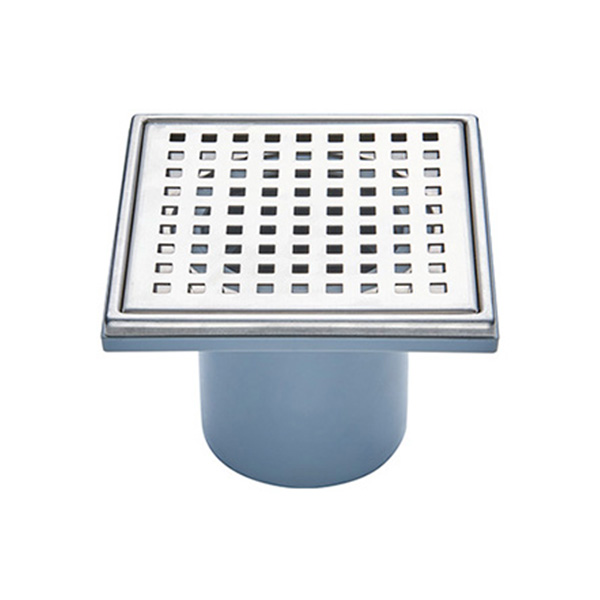
Hard water, which contains high levels of calcium and magnesium, is notorious for causing mineral buildup on plumbing fixtures. Brass floor drains are particularly vulnerable to limescale accumulation when exposed to hard water over extended periods. These mineral deposits can clog the drainage channel, slow water flow, and reduce the overall efficiency of the drain. While the corrosion resistance of brass helps prevent rust, the physical accumulation of scale can compromise the aesthetic appearance and performance. Regular cleaning and descaling are necessary to maintain suitable functionality in hard water environments.
Soft water, by contrast, contains lower concentrations of minerals, which significantly reduces the risk of scale formation on brass floor drains. In soft water environments, drains are less likely to experience clogging due to mineral deposits, making maintenance easier and extending the intervals between cleaning. However, soft water is slightly more aggressive in its interaction with metals compared to hard water. Over time, the reduced mineral content may accelerate minor corrosion on untreated or lower-quality brass surfaces. A high-quality Brass Floor Drain Factory ensures that proper surface treatments or coatings are applied to mitigate these risks.
Regardless of water type, proper maintenance is key to prolonging the lifespan of brass floor drains. In hard water environments, it is recommended to use descaling agents periodically to remove calcium and magnesium deposits. A simple mixture of vinegar and water can also help dissolve limescale without damaging the brass surface. In soft water conditions, routine cleaning with non-abrasive products is generally sufficient, but it remains important to inspect the drain periodically for early signs of corrosion. By following appropriate maintenance strategies, the operational efficiency and appearance of brass floor drains can be preserved for many years.
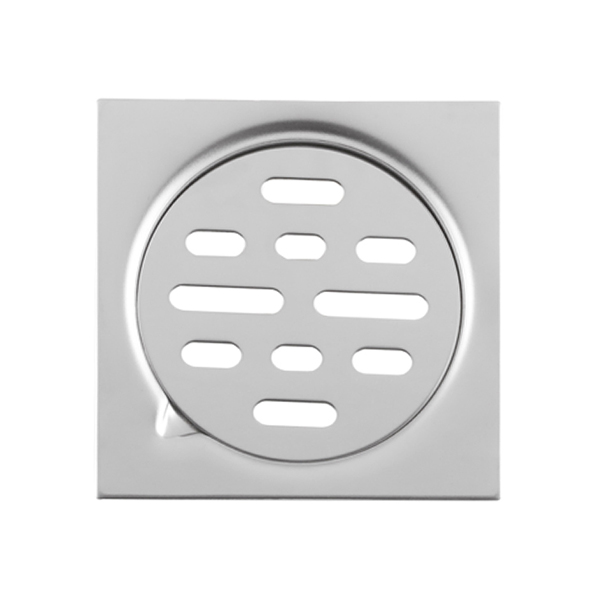
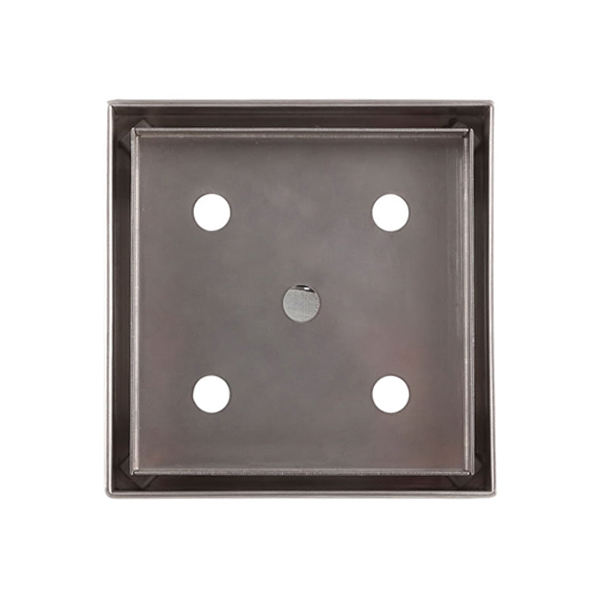
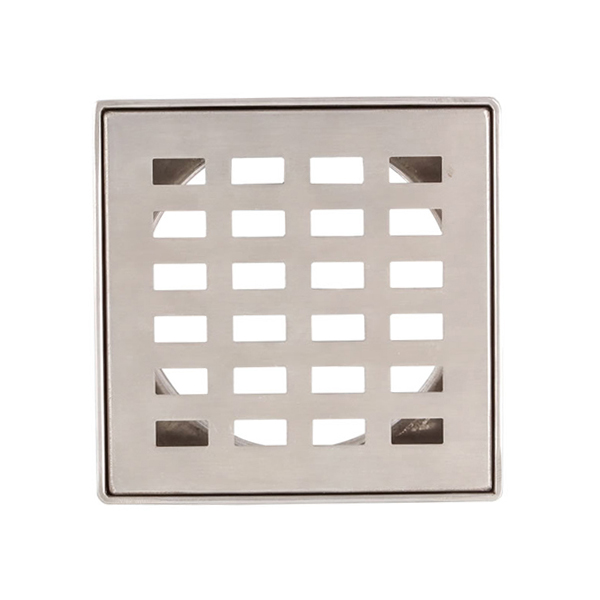
Guiding Brass Floor Drain Factories design their products with water quality considerations in mind. Many drains feature removable grates and smooth internal surfaces to facilitate cleaning and reduce areas where mineral buildup can occur. Some high-end models incorporate protective coatings that enhance resistance to both scale and corrosion, ensuring reliable performance regardless of water hardness. Choosing a drain from a reputable factory ensures that these design features are incorporated, reducing the impact of local water conditions.
Water quality has a direct impact on the performance and maintenance requirements of brass floor drains. Hard water promotes scale formation, necessitating more frequent cleaning, while soft water reduces scaling but requires attention to potential corrosion. Selecting a high-quality drain from a trusted Brass Floor Drain Factory, combined with regular maintenance tailored to local water conditions, ensures both long-term durability and suitable performance. By understanding the relationship between water hardness and brass drain behavior, homeowners and facility managers can make informed decisions to maintain clean, efficient, and aesthetically pleasing drainage systems.
Copyright © Yuhuan Better Machinery Co., Ltd. All rights reserved

 English
 Español
 عربى
عربى

 +86-576-87422105
 +86-576-87422322
 Xuancheng rd 32#, Yuhuan Economic Development Zone, Zhejiang, China