Become your trusted floor drain product partner and supplier in China.
Tel: +86-576-87422105, Email: [email protected]

Drainage failures are rarely dramatic at first. Water pools near the shower base, a faint odor persists despite regular cleaning, or a floor drain backs up under moderate flow. These are not isolated maintenance issues — they are installation problems that compound over time, and they appear in residential bathrooms and commercial kitchens alike. Getting the installation right from the beginning means understanding not just the mechanical steps, but how the drain type, the floor geometry, and the anti-odor and anti clog floor drain systems interact to produce a drainage solution that holds up under sustained use.
A floor drain does not function in isolation. It sits at the intersection of the drainage pipe, the floor slope, the waterproofing layer, and the surface finish — and each of those elements affects how the drain performs. An incorrectly positioned drain creates standing water. A slope angled away from the outlet turns every shower into a minor flood. A drain installed without adequate sealing allows moisture to migrate into the subfloor, where it causes structural damage that only becomes visible long after the installation is complete.
Beyond water management, drainage installations carry an odor risk that many projects underestimate. Sewer gas enters interior spaces through dry or improperly sealed drain bodies. In high-use environments — commercial kitchens, public restrooms, outdoor utility areas — that odor is not merely unpleasant. It signals a gap in the system's vapor barrier that can recur regardless of how many times the floor is cleaned. Addressing it requires understanding the mechanism behind the odor, not just treating the symptom.
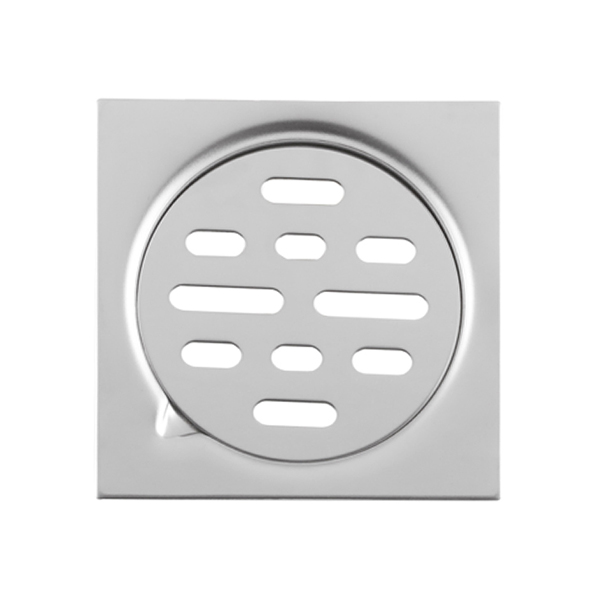
Floor drain types vary considerably in how they handle these issues. A tile insert floor drain operates differently from a surface-mounted kitchen drain, which in turn differs from a heavy-duty floor drain designed for commercial buildings. Matching the drain type to the application is as consequential as any individual installation step.
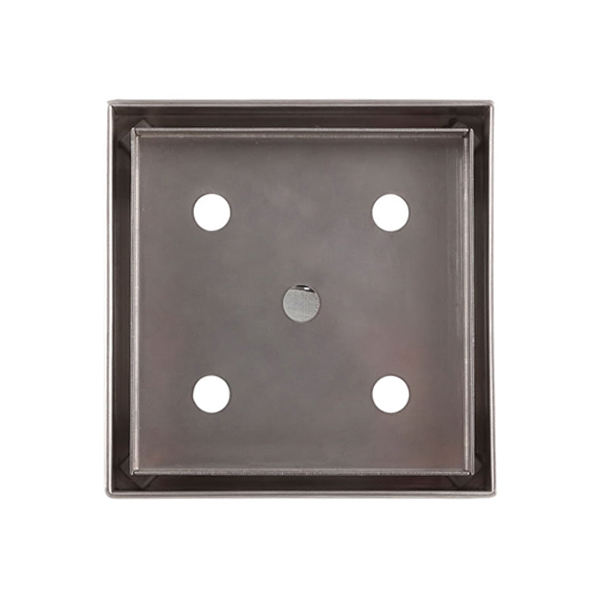
The drain body channels water from the floor surface into the outlet pipe through a shaped interior cavity. The efficiency of that path depends on the drain's internal cross-section, the depth of the body, and how cleanly it connects to the pipe below. Stainless steel drain bodies maintain their interior geometry over time — they do not corrode, deform under thermal cycling, or accumulate mineral deposits in the way that lower-grade materials do, which preserves drainage performance over a longer service life.
An anti odor floor drain incorporates a water seal trap — a curved section of the drain body that retains a small volume of water at all times. That standing water forms a physical barrier between the interior space and the sewer pipe below, blocking the passage of gas without impeding liquid drainage. The mechanism relies on the water not evaporating between uses, which is why drains in low-traffic areas — a basement utility drain, a seldom-used guest bathroom — are more likely to develop odor problems. The water seal simply dries out. Periodic refilling, or the use of a self-priming trap design, resolves this without modification.
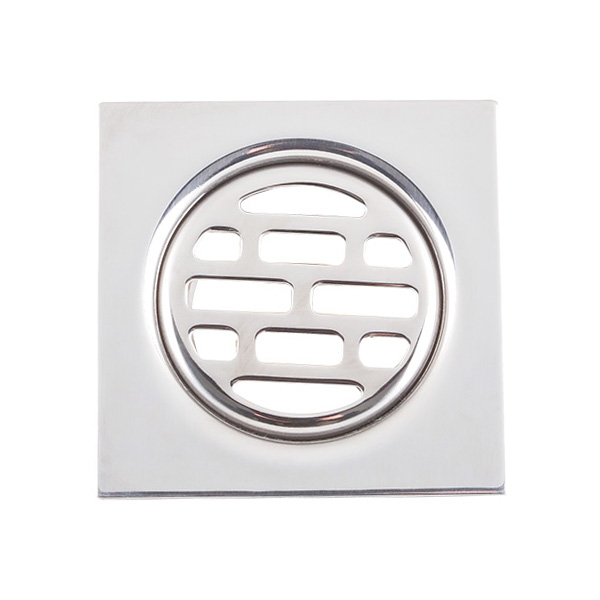
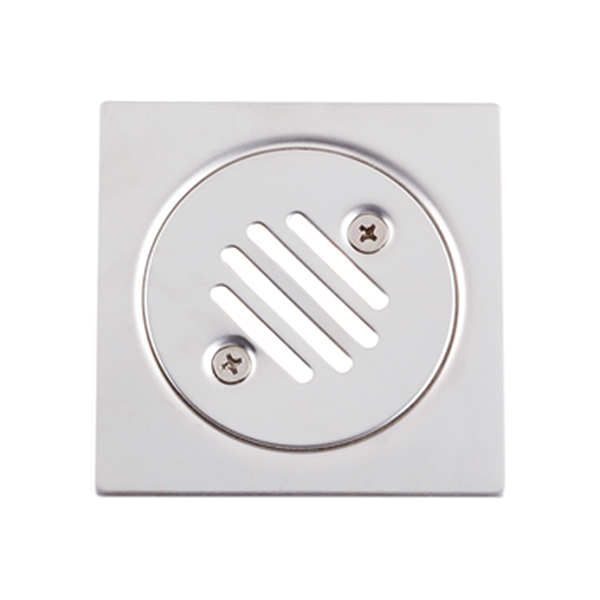
An anti clog floor drain incorporates a debris-interception layer — typically a fine-mesh strainer or a slotted cover — positioned above the drain body to capture hair, food particles, sediment, and other solids before they enter the pipe. The strainer is removable for cleaning, which is the design detail that makes the anti-clog function sustainable rather than temporary. A drain body that cannot be accessed and cleaned will clog regardless of how the strainer is rated at the point of installation.
Preparation determines whether the installation proceeds cleanly or requires correction partway through. The following elements should be confirmed before the drain body is set:
Mark the drain center point based on the room geometry and the direction of the drainage pipe below. In a square or rectangular wet area, the drain is typically centered or placed at the low point of the designed slope. Confirm that the outlet pipe runs in a direction that allows the drain body to connect without elbows or offsets that would reduce flow capacity.
The top of the drain body — the flange or frame — must sit flush with the finished floor surface. In a tiled installation, this means accounting for the thickness of the adhesive bed, the tile, and the grout when calculating the body's set height. Setting the body too high creates a raised obstruction; setting it too low leaves a recessed pocket that collects debris at the perimeter.
Insert the drain body outlet into the pipe socket and secure the connection according to the pipe material and joint type. The joint should be watertight under static pressure. For installations in concrete subfloors, the drain body is typically cast in place during the pour, with the outlet pipe already positioned and the body held at the correct height with temporary bracing.
Apply waterproofing membrane around the drain perimeter, overlapping onto the drain flange according to the membrane system's requirements. The bond between the membrane and the flange is the critical joint — it prevents water from traveling laterally beneath the tile layer and into the subfloor. Some drain bodies include a bonding flange designed to accept waterproofing fabric, which creates a more reliable seal than adhesive-to-metal contact alone.
Before completing the floor layer, confirm that the substrate slope falls consistently toward the drain in all directions. Irregularities in the slope — flat spots, reverse grades — will cause water to pool regardless of drain placement. Correct slope irregularities in the mortar or screed layer before the tile is set; correcting them afterward requires removing finished surfaces.
Once the floor surface is complete, install the drain cover, strainer, or tile insert frame. For a tile insert floor drain, cut tiles to fit within the insert frame prior to placing them — dry-fit the assembly before applying adhesive to confirm alignment. Secure the frame to the drain body according to the manufacturer's attachment method, and confirm that the strainer or debris screen is fully seated and accessible for future maintenance.
Selecting the correct drain type for a specific application affects installation requirements, maintenance frequency, and long-term drainage performance. The categories below correspond to the range of environments where stainless steel drains are typically specified.
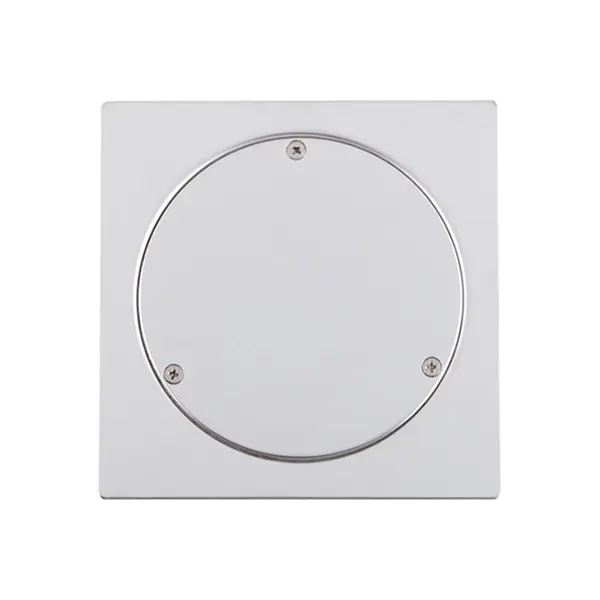
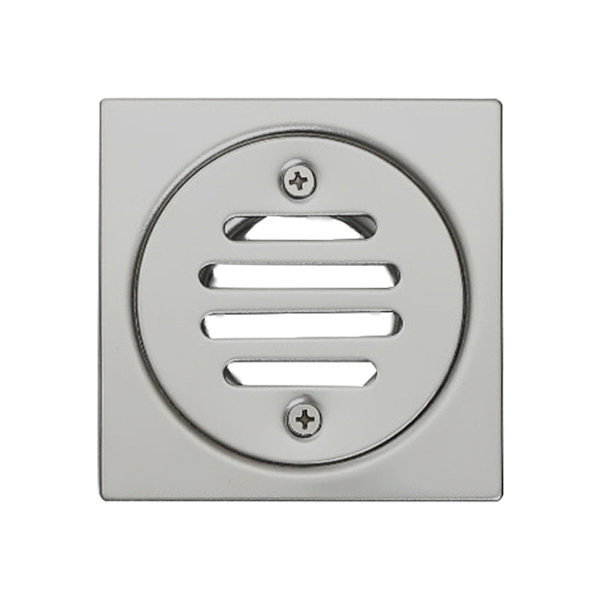
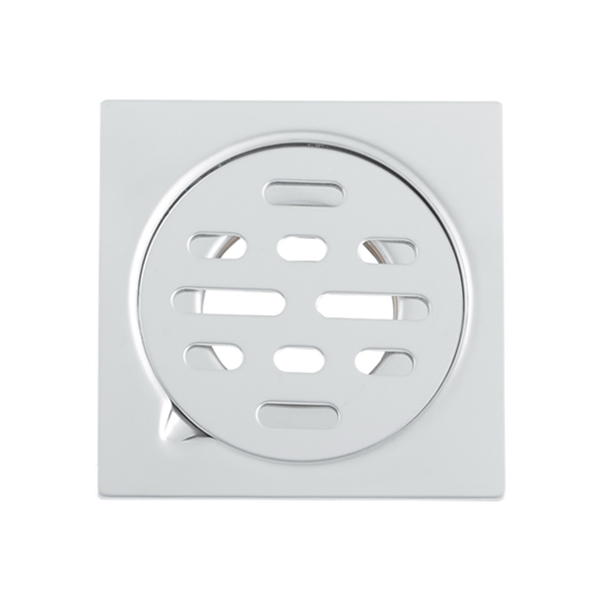
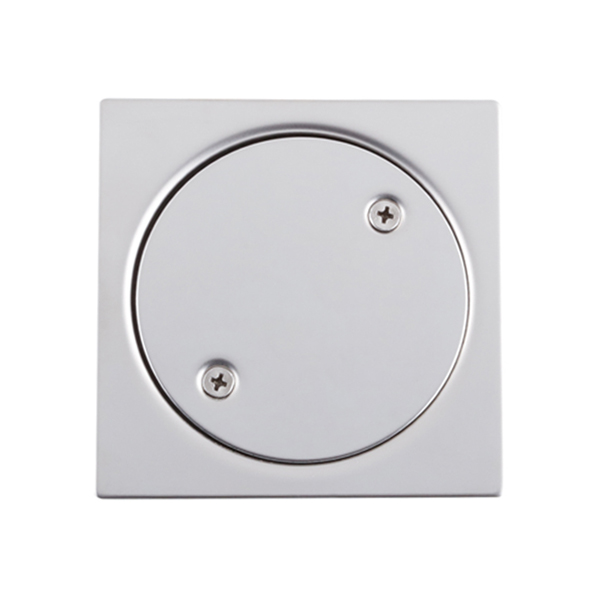
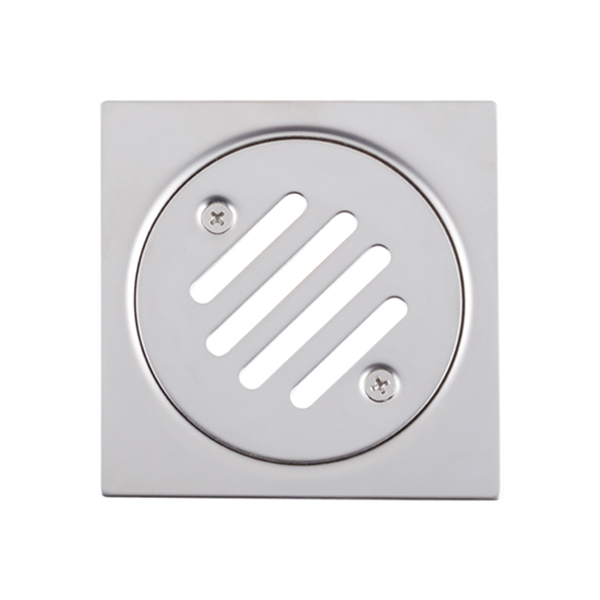
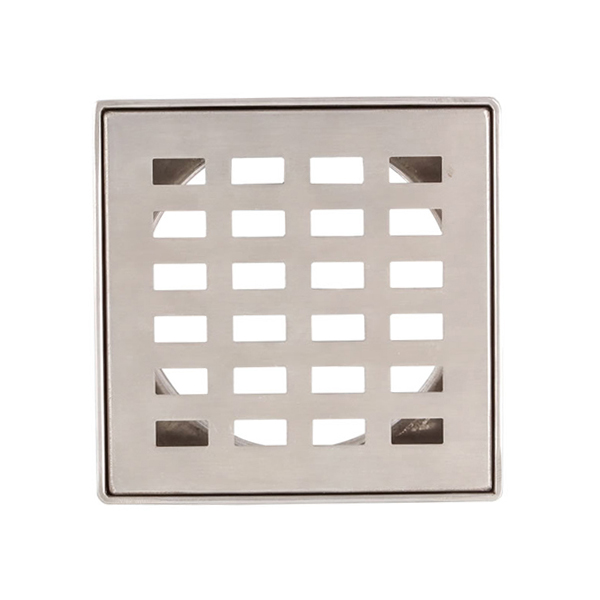
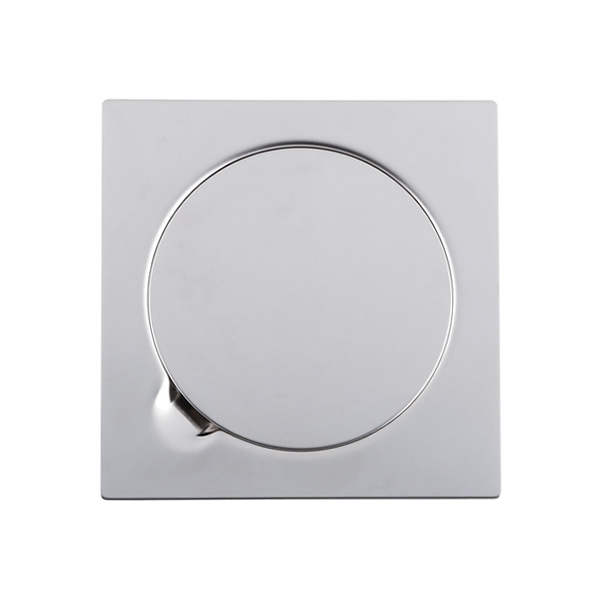
A tile insert floor drain uses a recessed frame that holds cut tiles within the drain cover, creating a surface that visually continues the surrounding floor. The drain is essentially invisible when installed correctly, which makes it the preferred choice for residential bathrooms and high-end wet rooms where the floor finish is a design priority. Installation requires precise coordination between the drain body depth and the tile thickness, as the tile within the insert must sit flush with the surrounding field tile.
A bathroom tile floor drain is designed for residential wet areas with standard moisture and flow conditions. These drains are specified for daily use under shower or bathing loads, and their anti-odor water seal is particularly important in enclosed bathroom environments where sewer gas has no ventilation path other than through the drain body itself.
A kitchen floor drain is designed to handle grease, food solids, and cleaning chemicals in addition to liquid waste. The strainer design in kitchen drains is typically coarser than in bathroom applications — sized to intercept food particles and debris while maintaining flow under heavy cleaning loads. Ease of strainer removal and cleaning is a practical priority in kitchen environments, where the drain may need to be cleared daily.
An outdoor floor drain handles variable loads that include rainwater volume, leaf litter, sand, and organic debris. The drainage capacity must accommodate peak rainfall conditions rather than average flow, and the strainer must intercept debris without blocking during heavy-flow events. Outdoor drains in freeze-thaw climates also require attention to the joint between the drain body and the surrounding surface, as thermal movement can compromise sealing materials that are not rated for temperature cycling.
Floor drains for commercial buildings are specified for high-flow environments: commercial kitchens, food processing areas, public restrooms, parking structures, and industrial washdown areas. These applications require larger drainage cross-sections, heavier cover grating, and materials that resist chemical exposure beyond what residential drains are designed to handle. Stainless steel is the predominant material choice in commercial specifications because it meets hygiene requirements, resists corrosive cleaning agents, and maintains structural integrity under heavy foot and equipment traffic.
These two functions are sometimes treated as interchangeable, but they address different failure modes and involve different structural components.
| Feature | Anti Clog Floor Drain | Anti Odor Floor Drain |
|---|---|---|
| Primary Function | Intercepts solid debris before it enters the pipe | Blocks sewer gas from entering the space |
| Key Component | Removable strainer or mesh screen | Water seal trap or mechanical valve |
| Maintenance Need | Regular strainer cleaning | Periodic water top-up in low-use drains |
| Failure Symptom | Slow drainage, pipe blockage | Persistent odor despite clean surfaces |
| Application Priority | Kitchen, outdoor, commercial | Bathroom, indoor wet areas, basement |
In practice, a well-specified drain serves both functions simultaneously. The strainer manages debris; the trap manages vapor. Specifying a drain without both components in an environment that generates both debris and odor creates a predictable maintenance problem. Many stainless steel drain designs integrate the strainer above the trap body so that cleaning the debris layer does not disturb the water seal below.
In bathroom wet rooms and shower enclosures, the slope design and the waterproofing integration are the two elements most likely to generate long-term problems if handled incorrectly. The slope must be consistent across the full wet area — not just in the immediate vicinity of the drain. The waterproofing membrane must bond to the drain flange without gaps at the corners or at the pipe penetration point below.
Kitchen drain installations need to account for the cleaning protocol of the space. Drains in food service kitchens are cleaned with hot water, detergents, and sometimes alkaline or acidic sanitizing agents. The drain body, strainer, and any sealing materials must be chemically compatible with that cleaning routine. The drain position relative to floor equipment — cooking lines, prep tables, dishwashing stations — also affects how effectively the drain collects wash water during floor cleaning.
Outdoor drain placement is governed by the drainage pattern of the surrounding surface. Water should sheet toward the drain rather than away from it, which requires planning the drain position relative to the overall grade of the paved area. In areas subject to seasonal debris accumulation — leaves, sand, gravel — a deeper drain body with a removable sediment bucket below the strainer simplifies maintenance by capturing settled material before it enters the pipe.
Commercial installations frequently involve coordination between the drain manufacturer's specifications and the building's grease trap or waste management system. Floor drains for commercial buildings in food service environments are often required to connect to a grease interceptor rather than directly to the municipal sewer. Confirming the pipe routing and trap specifications before the drain is set avoids costly repositioning later in the project.
Stainless steel drains are specified in demanding applications because the material's performance characteristics remain stable across conditions that degrade other materials. Stainless steel does not corrode under exposure to moisture, does not leach contaminants in food-contact environments, and does not develop surface porosity that harbors bacteria over time. The surface finish also resists the staining and discoloration that affects plated or coated alternatives when exposed to cleaning chemicals.
In commercial and institutional projects, where the drainage system is inspected and expected to meet hygiene standards, the specification of stainless steel is less a preference than a baseline requirement. In residential projects, the material's longevity and ease of cleaning justify its cost premium over alternatives that may require replacement within the expected life of the surrounding floor finish.
Understanding where floor drain installations fail is as useful as understanding the correct procedure. The following errors appear consistently across residential and commercial projects:
The decision between drain types should be driven by the application conditions rather than by price or visual preference alone. The key variables are: the debris load the drain will need to intercept, the odor risk of the environment, the flow volume during peak use, the chemical exposure from cleaning agents, and whether the installation is in a residential, commercial, or outdoor context. Stainless steel drains are available across all of these categories — from recessed tile insert designs for residential bathrooms to high-capacity grated drains for commercial washdown facilities. The difference between a drain that functions reliably over its service life and one that requires early replacement often traces back to the specification decision rather than the installation quality. For procurement teams, contractors, and project engineers sourcing drainage components at volume, working with a manufacturer that can provide consistent material certification, dimensional accuracy, and technical support across product categories reduces the specification risk on any given project. Yuhuan Better Machinery Co., Ltd. manufactures stainless steel drainage products for residential, commercial, and industrial applications, with production capabilities that support custom specification requirements and volume supply. Contacting the team to discuss project-specific drain configurations, request dimensional drawings, or evaluate product options against your installation conditions is the appropriate step for buyers who need reliable sourcing rather than catalogue browsing.
Copyright © Yuhuan Better Machinery Co., Ltd. All rights reserved

 English
 Español
 عربى
عربى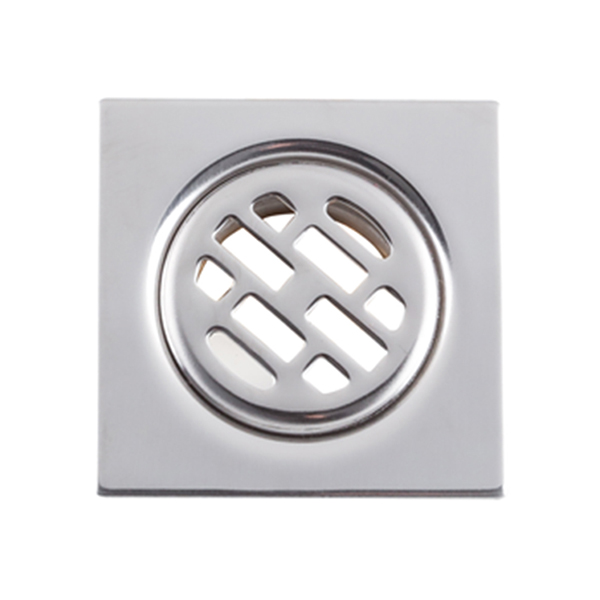

 +86-576-87422105
 +86-576-87422322
 Xuancheng rd 32#, Yuhuan Economic Development Zone, Zhejiang, China