Become your trusted floor drain product partner and supplier in China.
Tel: +86-576-87422105, Email: [email protected]

Standing water pooling at the edge of a deck. That faint musty smell creeping out of a bathroom drain. A commercial pool area that never quite dries out between guests. These are the small annoyances that turn into real maintenance headaches once nobody bothers addressing the root cause. Floor Drain Types matter far more than people tend to assume — right up until something backs up or starts smelling — and getting this choice right early saves a lot of frustration down the line. If standing water or drainage complaints have been quietly piling up on your property, here's what actually separates a solid wet area drainage solution from one that just looks fine until it doesn't.
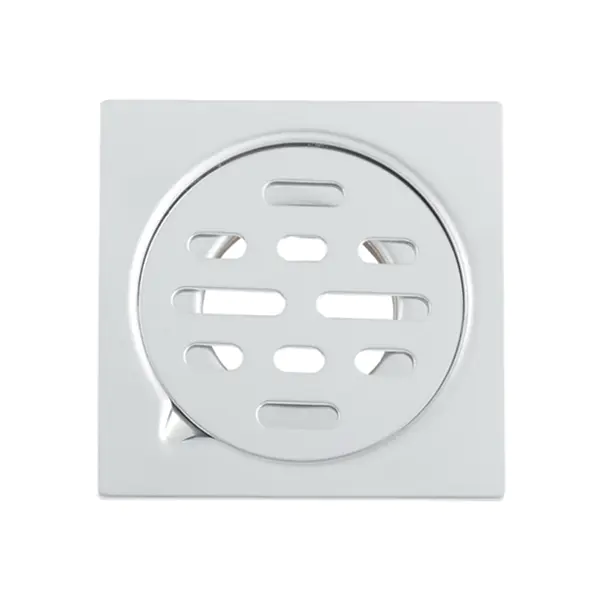
Water lingering where it shouldn't creates more than a slip hazard, though that alone is reason enough to take it seriously. Standing moisture breeds mold, wears down surrounding materials over time, and in commercial settings, can trigger compliance headaches that cost far more to fix after the fact than proper drainage would've cost upfront.
Pool decks, bathroom floors, and other constantly wet surfaces all share the same basic challenge underneath. Water needs somewhere reliable to go, quickly, without backing up or leaving residue behind. A few consequences of inadequate drainage worth keeping in mind:
None of these problems announce themselves loudly at first. They build slowly, which is exactly why drainage often slips through the cracks during initial planning — until a complaint or a maintenance issue forces the conversation anyway.
Pool areas face a genuinely different set of demands compared to typical indoor wet spaces. Splash zones, constant foot traffic, near continuous water exposure — all of it means drainage systems here need to handle volume efficiently without turning into a maintenance burden of their own.
Key considerations for pool deck drainage:
Getting flow capacity wrong is probably the most common mistake here. A drain that looks perfectly adequate on paper can still leave standing water during busy periods if nobody sized it properly against actual splash volume and guest traffic.
Bathroom environments bring a different set of priorities into focus. Pool areas emphasize raw flow capacity above all else, while bathrooms tend to weigh odor control and aesthetic integration just as heavily as basic drainage function.
A bathroom tile floor drain, for instance, needs to blend seamlessly into surrounding tilework while still keeping sewer gas from backing up into the living space. That balance between function and appearance matters a lot more here than in outdoor pool settings, where practical performance usually wins out over visual integration without much debate.
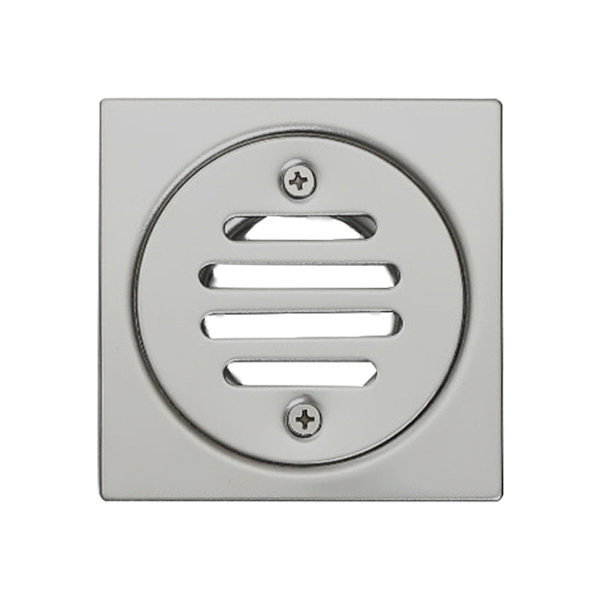
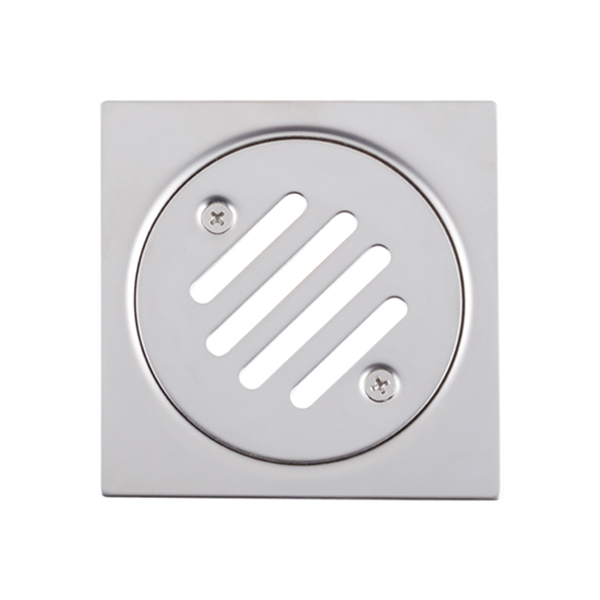
Understanding the range of Floor Drain Types available helps buyers match the right product to their specific application, rather than defaulting to whatever seems most familiar or happens to be sitting on a shelf.
Clogging remains one of the more persistent annoyances in high traffic wet areas. Hair, debris, general buildup — it all accumulates fast in spaces like pool decks and commercial bathrooms, and a poorly designed drain turns routine maintenance into a recurring chore nobody wants on their plate.
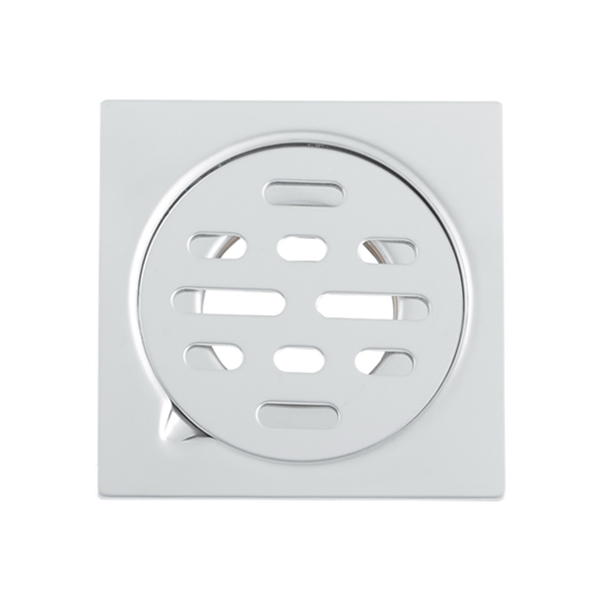
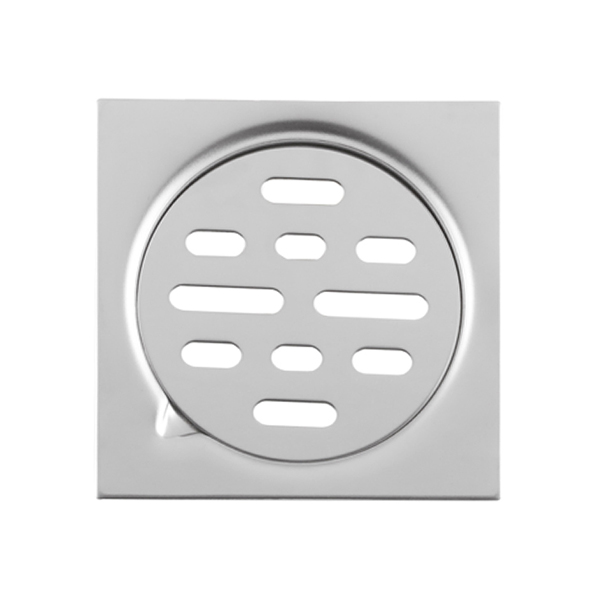
An anti clog floor drain typically uses wider channel spacing or specialized grate designs that cut down debris accumulation without sacrificing overall flow rate. These work particularly well in high frequency areas where staff genuinely don't have time for constant manual clearing.
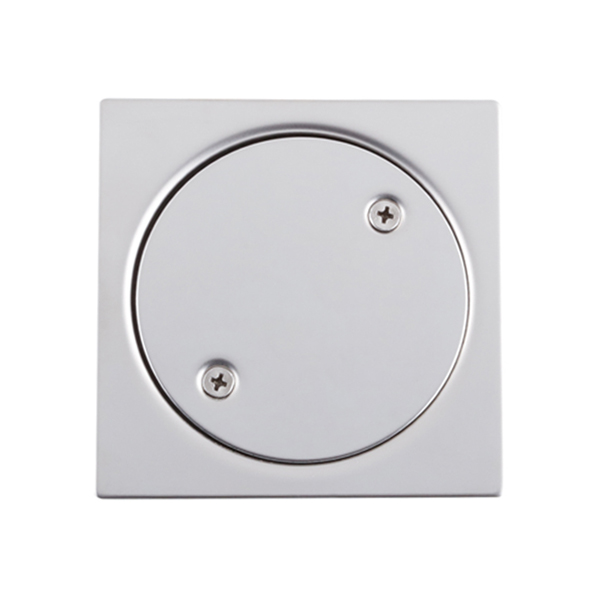
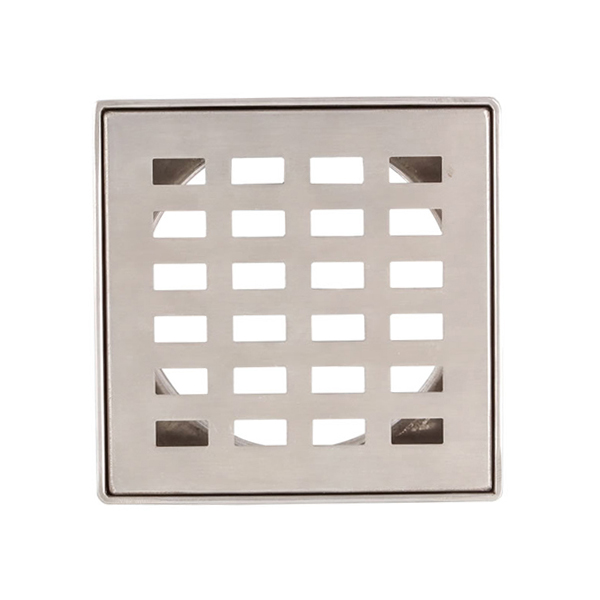
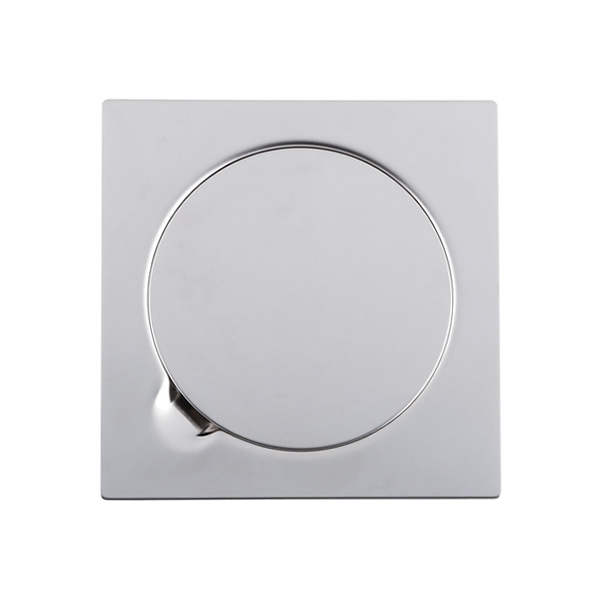
For projects prioritizing a cohesive, finished look, a tile insert floor drain lets matching tile sit directly into the drain cover, essentially disappearing into the surrounding floor. This approach has grown more popular in modern renovation work, where visible metal grating can feel out of step with the overall design.
Functionally, tile insert designs perform about on par with standard grated drains, though installation demands more careful planning to keep everything aligned with surrounding tilework.
Outdoor applications bring extra variables that indoor drainage rarely deals with. Temperature swings, exposure to leaves and dirt, sometimes freeze thaw cycles — all of it places additional demands on an outdoor floor drain compared to its indoor counterparts.
Material and design choices here need to account for these environmental stressors directly, rather than just repurposing an indoor drain design and hoping it holds up outside.
Material choice shapes durability, maintenance needs, and long term performance considerably, especially in environments dealing with constant moisture.
| Material Type | Corrosion Resistance | Best Suited Application |
|---|---|---|
| Stainless Steel Drains | Strong resistance to moisture and chemical exposure | Pool decks, commercial bathrooms, high-traffic wet areas |
| Standard Steel with Coating | Moderate, depends on coating quality | Lower-traffic residential applications |
| Plastic Composite | Good resistance but lower load capacity | Light-duty residential or budget-conscious projects |
| Brass Fittings | Decent resistance, traditional aesthetic | Decorative residential bathroom applications |
Stainless steel drains tend to stand out across most demanding wet area applications, particularly wherever pool chemicals or heavy commercial traffic come into play. The material resists corrosion well over extended exposure, which translates into fewer replacements and less unplanned maintenance across the product's working life.
Floor drains for commercial buildings face demands that residential applications just don't encounter to the same degree. Higher traffic volume, stricter compliance requirements, and the real cost of downtime all shape what commercial buyers should actually be prioritizing during product selection.
Worth evaluating before committing to a commercial drainage solution:
Hotels, gyms, spas, and other hospitality or wellness facilities deal with constant wet area traffic, which makes drainage reliability a genuine operational priority rather than a minor spec buried somewhere in a larger construction plan.
Honestly, yes — and this gets overlooked more often than the actual drain quality itself. Even a well built drain performs poorly if it's positioned wrong relative to how water naturally flows across a surface. Proper slope grading toward the drain location matters just as much as the drain's own flow capacity, and this is exactly where working with experienced installers or manufacturers who understand full system design pays off considerably.
Working through a practical selection process helps narrow the field before committing to a specific product line or supplier relationship.
A sensible approach includes:
Skip any of these steps and it tends to surface later as a maintenance complaint or, worse, a compliance issue during inspection that could've been avoided entirely with proper upfront planning.
Beyond product selection itself, sourcing from a manufacturer capable of supporting varied project needs matters a great deal for larger engineering or commercial projects. Buyers benefit from working with suppliers who offer:
This kind of supplier flexibility becomes particularly valuable for engineering firms and hospitality operators managing drainage needs across multiple properties or project phases at once.
Choosing the right drainage solution for pool decks, bathrooms, and other wet areas comes down to matching product design, material, and placement to the specific demands of each space, rather than assuming one standard drain works equally well everywhere it's installed. Anti clog features matter enormously in high traffic zones, tile insert designs suit projects prioritizing visual integration, and stainless steel construction generally holds up best wherever chemical exposure or heavy moisture is a constant factor rather than an occasional one. Yuhuan Better Machinery Co., Ltd. works with engineering firms, hospitality operators, and commercial buyers navigating exactly these drainage decisions, offering a range of Floor Drain Types and material options suited to pool, bathroom, and outdoor applications alike. If standing water or maintenance complaints have become a recurring issue on your property, reaching out to discuss your specific drainage requirements is a practical next step toward a solution that actually holds up over time.
Copyright © Yuhuan Better Machinery Co., Ltd. All rights reserved

 English
 Español
 عربى
عربى

 +86-576-87422105
 +86-576-87422322
 Xuancheng rd 32#, Yuhuan Economic Development Zone, Zhejiang, China