Become your trusted floor drain product partner and supplier in China.
Tel: +86-576-87422105, Email: [email protected]

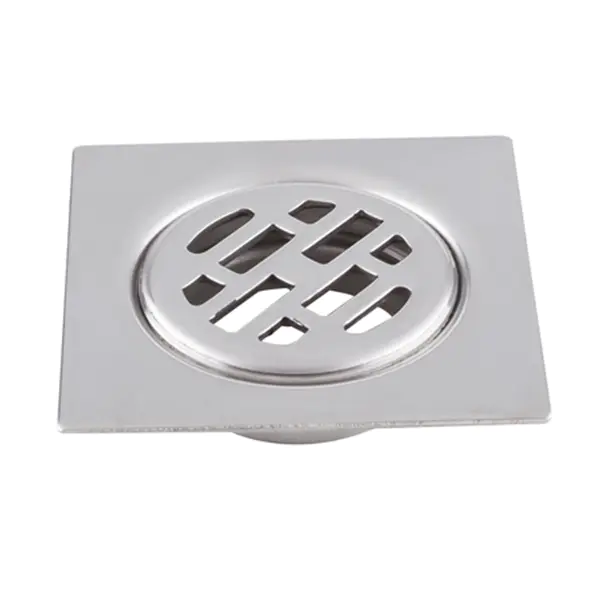
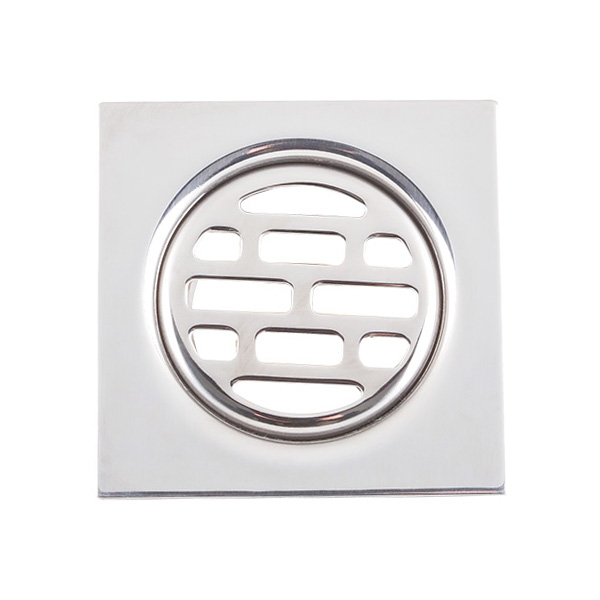
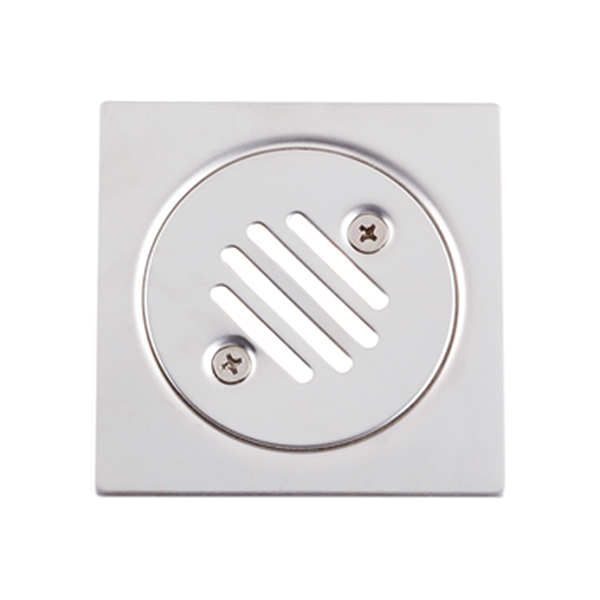
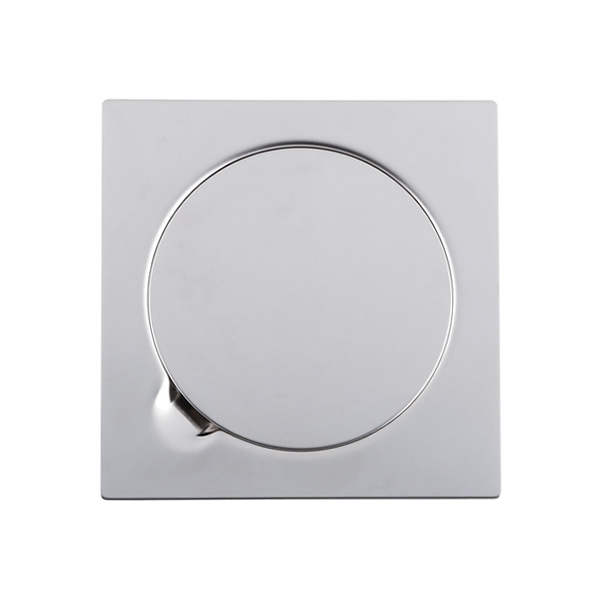
Water sitting on an indoor floor is never just an inconvenience. It damages flooring materials, creates slip hazards, encourages mold growth in grout lines and wall bases, and signals a drainage system that is not keeping up with demand. For contractors, facility managers, and renovation buyers who have dealt with this problem once, the priority shifts quickly from aesthetics to function. A well-specified Stainless Steel Floor Drain is one of the more reliable ways to address the root cause — not by managing standing water after the fact, but by removing it before it has a chance to settle.
Before focusing on the drain itself, it helps to understand why water collects indoors in the first place. The answer almost always points to a failure somewhere in the drainage system — and the drain is only one component of that system.
Indoor water accumulation typically results from:
Fixing one element without addressing the others produces limited results. A drain upgrade works because it often improves multiple variables at once — flow path, debris filtering, and long-term clog resistance.
The mechanism is straightforward, but the engineering behind it matters. Water flows because the floor is sloped — even slightly — toward the drain location. That slope, combined with gravity, creates a continuous movement of water toward the entry point. Once water reaches the grate, it enters the drain body through the grate openings, passes through an internal strainer that catches hair and debris, moves through the trap section (which retains a small water seal to block sewer gases), and exits through the outlet pipe into the building's drainage system.
Each stage of that path needs to be sized and shaped to keep water moving without restriction. Where the path narrows unnecessarily, or where debris has no mechanism to be caught before it enters the pipe, flow slows and accumulation begins.
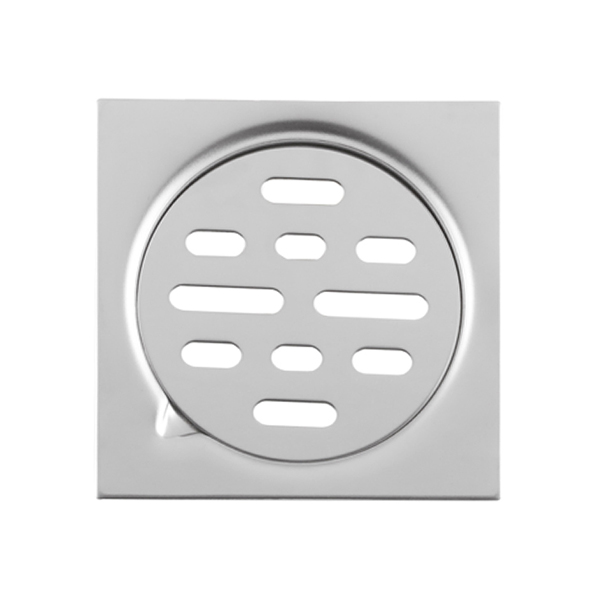
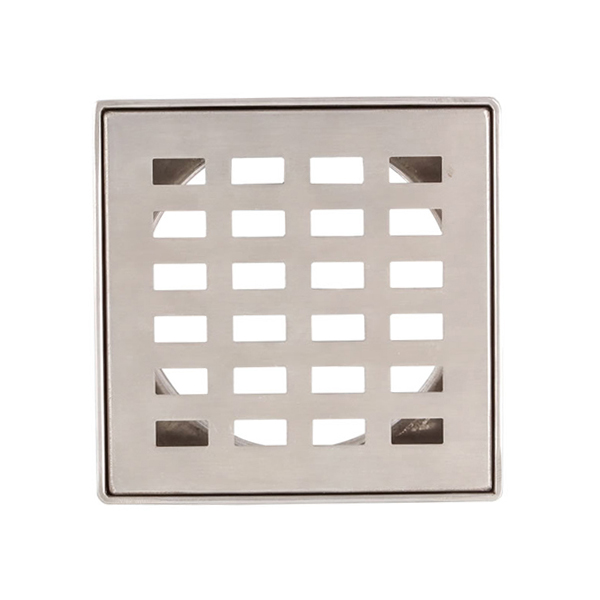
Grate geometry affects how fast water enters the drain. A grate with wide, evenly spaced slots allows water to pass through with minimal resistance. A poorly designed grate — narrow openings, heavy frame, low open area ratio — creates a bottleneck right at the surface where water needs to enter. In high-volume situations like commercial kitchen floors or industrial washrooms, that bottleneck is enough to cause pooling even when everything downstream is clear.
Stainless steel grates are typically manufactured with tighter tolerances than cast iron or plastic alternatives, which means slot widths stay consistent over time and do not deform under foot traffic or thermal cycling.
The drain body handles constant moisture, cleaning agents, and in some environments, food residue, oils, or industrial fluids. Plastic degrades over time under UV exposure and chemical contact. Cast iron corrodes, and the rough interior surface that develops from oxidation creates friction — slowing flow and giving debris more surface to adhere to.
Stainless steel resists corrosion across a wide range of conditions. Its smooth interior surface maintains low friction over the life of the product, which keeps flow velocity higher and reduces the chance of organic material building up inside the drain body. That smoothness is not just about speed — it also makes the drain easier to clean, which is critical for maintaining anti-accumulation performance in day-to-day use.
Floor drains are installed once and expected to perform for years, often decades. A drain body that shifts, cracks, or warps under load disrupts the seal between the drain and the surrounding floor, which allows water to seep into the substrate rather than flowing cleanly into the pipe. Stainless steel holds its shape under mechanical load and temperature variation, maintaining the tight fit that effective drainage requires.
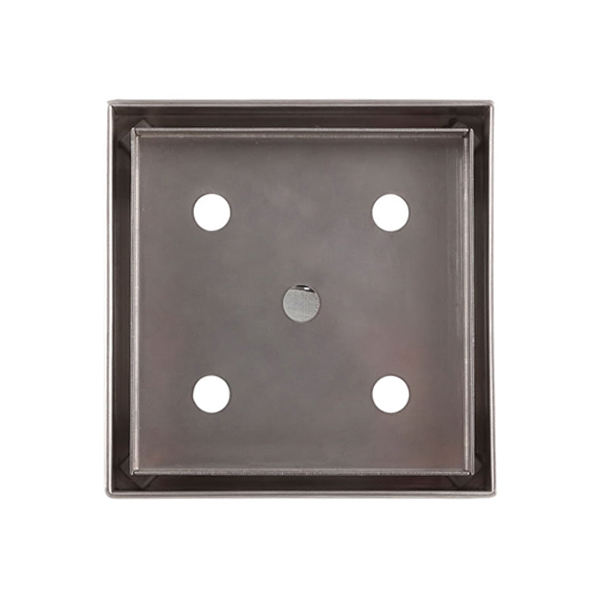
Understanding what is inside the drain body helps explain why some products prevent accumulation more reliably than others.
| Component | Function | Impact on Water Accumulation |
|---|---|---|
| Grate | Water entry point | Wide open area = faster surface drainage |
| Drain body | Collection and flow chamber | Adequate depth prevents backflow |
| Strainer basket | Debris filtration | Catches solids before they enter the pipe |
| Water trap / P-trap | Odor seal | Retains water seal without blocking flow |
| Outlet pipe connection | Discharge to sewer | Correct sizing prevents downstream restriction |
Each component interacts with the others. A large-capacity drain body paired with a narrow outlet pipe still creates a bottleneck. A well-sized outlet with a poorly designed strainer will clog faster. The system works as a chain — and any weak point in that chain shows up as slow drainage or standing water.
Floor slope is the silent driver of drainage performance. Without it, even a well-sized, clean, properly installed drain cannot pull water away from flat or reverse-sloped surfaces. Water simply sits where it lands.
The relationship between slope and drainage is direct. A steeper slope moves water faster, but in living spaces, steep slopes are uncomfortable underfoot and create design challenges. A shallower slope moves water more slowly but is more practical for residential bathrooms and kitchens. The key is that slope must be consistent and directed toward the drain — not angled away from it, as sometimes happens when floor tiles are installed without checking for level.
In commercial or industrial environments, floor slope design is typically part of the structural specification. In residential renovation, it is frequently improvised — and that is where drainage problems tend to originate.
Different indoor spaces generate water in different ways and at different volumes. A drain specified for a residential bathroom handles a very different load from one installed in a commercial kitchen or a factory washroom. Matching the drain capacity to the space prevents under-specification, which is one of the more common causes of recurring accumulation problems.
Residential spaces:
Commercial and light industrial spaces:
Each of these environments has a different expectation for flow capacity, debris type, and cleaning frequency. Drain selection should start with the space, not with a standard product catalog.
One drain handles the water that reaches it. If the floor area is large or the slope is shallow, water from distant points may not arrive at the drain quickly enough to prevent temporary pooling during heavy use. In these situations, multiple drains placed at measured intervals — each serving a defined catchment zone — distribute the drainage load.
Linear channel drains are increasingly used in wet rooms and commercial floors for this reason. A long channel positioned along one wall or across a central zone captures water from a wide surface area and channels it toward a single outlet pipe. This format works especially well when the floor cannot be sloped in multiple directions simultaneously, which is a common constraint in retrofit situations.
The choice between point drains and linear channel drains depends on:
A drain that prevents accumulation on day one can develop problems over months of use if maintenance is neglected. Debris — hair, grease, soap scum, food particles — accumulates in the strainer basket and, over time, in the trap and pipe inlet. As the opening narrows, flow rate drops, and the floor drains more slowly with each passing week.
Practical maintenance steps that preserve drainage performance:
Stainless steel surfaces are easier to clean than plastic or corroded iron, which makes this maintenance routine faster and more effective. The smooth interior does not hold residue as aggressively as rougher materials.
Residential and light commercial drains share a general design logic, but industrial drainage environments introduce additional demands. Heavy vehicle traffic, concentrated chemical exposure, high-pressure hosing, and continuous operation all place stress on drain components that standard residential products are not designed to handle.
In industrial washrooms, food processing facilities, and manufacturing floor areas, the drain requirements typically include:
For these applications, specifying a drain with industrial-grade construction from the start avoids the cost of replacing undersized equipment after it fails.
Getting the drain specification right matters — but so does the quality of the product behind the specification. Yuhuan Better Machinery Co., Ltd. manufactures stainless steel drainage products designed for a range of indoor environments, from residential bathrooms to commercial kitchens and industrial washrooms. Their product development focuses on flow efficiency, structural durability, and ease of maintenance — the three factors that determine whether a drain continues performing years after installation or becomes a recurring problem. If you are specifying drainage for a construction project, facility upgrade, or large-scale procurement, reaching out to discuss product options against your specific space and load requirements is a practical next step toward a drainage system that holds up over time.
Copyright © Yuhuan Better Machinery Co., Ltd. All rights reserved

 English
 Español
 عربى
عربى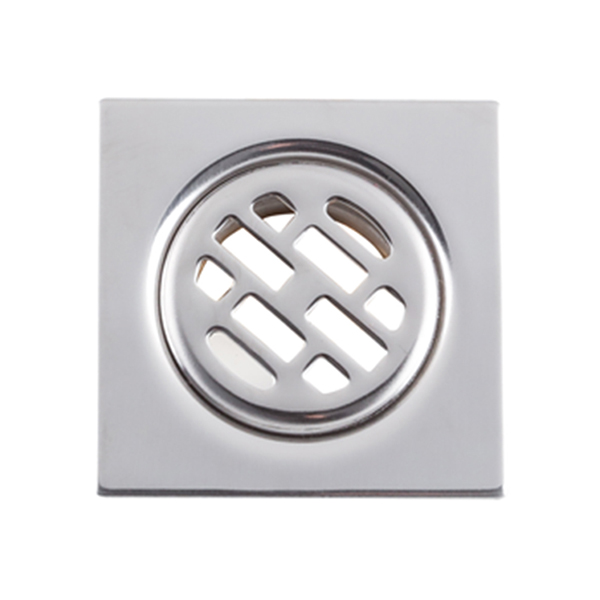

 +86-576-87422105
 +86-576-87422322
 Xuancheng rd 32#, Yuhuan Economic Development Zone, Zhejiang, China