Become your trusted floor drain product partner and supplier in China.
Tel: +86-576-87422105, Email: [email protected]

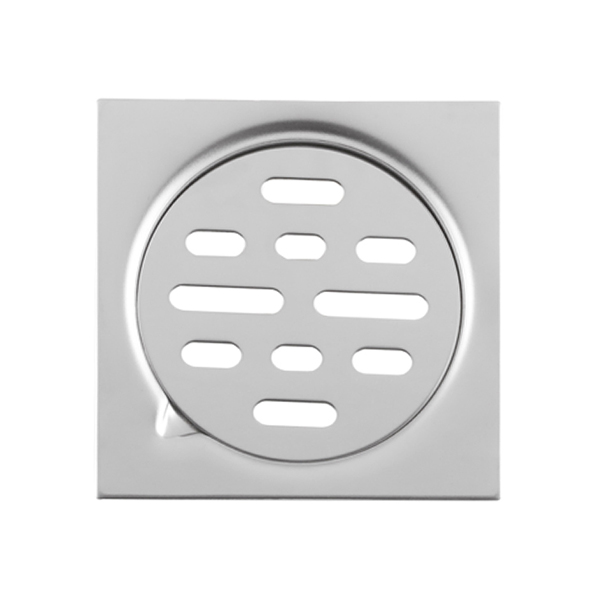
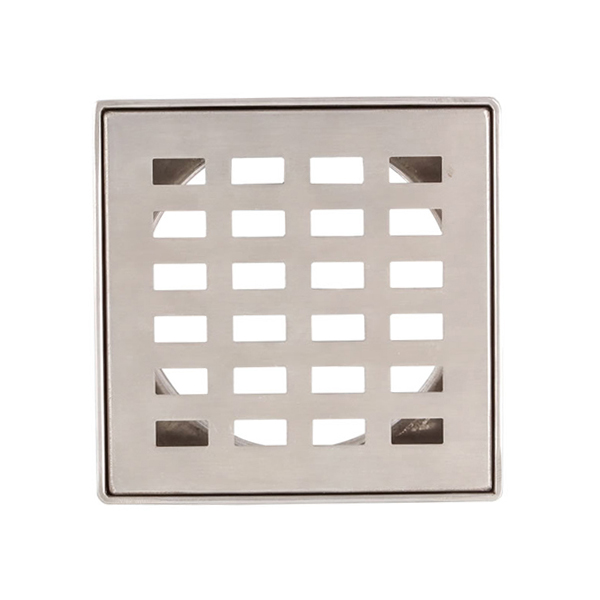
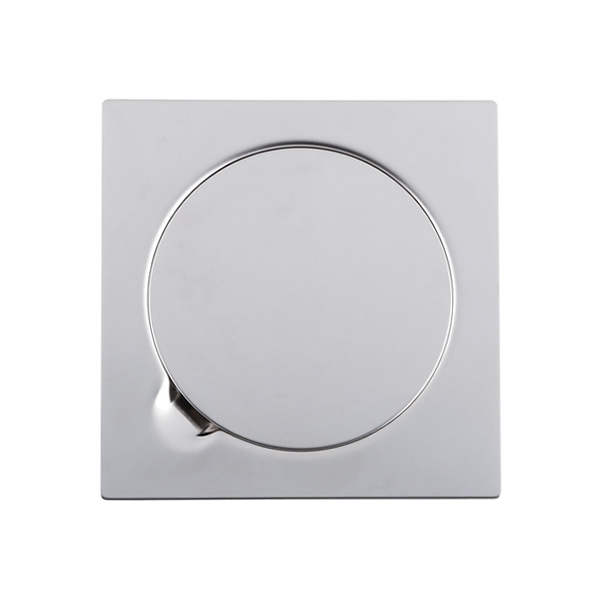
A friend's balcony turned into a shallow pond every time it rained hard, and by the time she noticed the water pooling near her sliding door, it had already started seeping under the frame. That's the kind of problem a Balcony Floor Waste exists to prevent — a small drainage fitting that quietly does the unglamorous job of getting water off the surface before it becomes somebody's indoor flooding story. Balconies deal with weather in a way indoor rooms never have to. Rain falls directly on them, plant watering runs off across the tiles, and cleaning with a hose or bucket adds even more moisture into the mix. Without something to move that water away, it just sits there — and standing water on a balcony causes more trouble than people expect, from slippery tiles to mildew creeping into grout lines. Getting drainage right isn't only about avoiding puddles. It's about being able to actually use the balcony — sit outside after a storm, water the plants without worrying about runoff, hose things down without leaving a damp mess behind for hours.
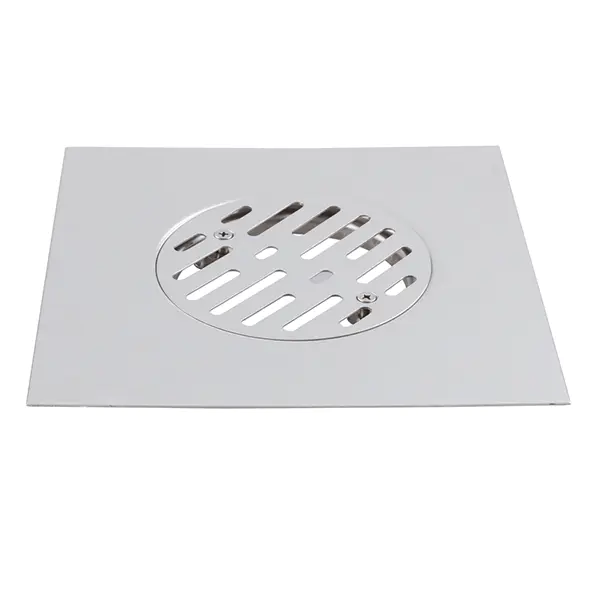
A balcony sits exposed in a way no interior room does. Rain hits it directly. Watering cans get tipped over onto it regularly. A quick mop or hose-down adds moisture that has nowhere to evaporate quickly, especially in shaded or covered balconies.
When that water has no clear way out, a few predictable problems tend to show up:
| Drainage Issue | Possible Effect |
|---|---|
| Water sitting around | Leaves a damp surface underfoot |
| Slow-moving water | Makes cleaning take longer and feel messier |
| Weak drainage planning | Limits how the balcony can actually get used |
| Ongoing dampness | Can creep into nearby walls or flooring |
A properly working drainage setup handles all of this quietly in the background. The floor waste sits at the center of that setup, catching water and giving it a route away from the tiles instead of letting it linger.
Comfort ties into this more than people realize. A balcony that dries out within an hour after rain feels completely different from one that stays wet and slick for the rest of the day.
The job a Balcony Floor Waste does is fairly straightforward once you break it down. It gives water an exit point instead of letting it sit and evaporate on its own timeline.
Water hits the surface — from rain, from a garden hose, from an overflowing plant saucer — and gravity, along with the slope of the tiles, pushes it toward the drainage point. Once it reaches the floor waste, the fitting collects it and routes it into the pipe system connected underneath.
That whole sequence only works smoothly if the pieces line up correctly:
If any one of these steps is off — a flat spot in the tiling, a drain positioned in the wrong corner — water starts pooling somewhere it shouldn't, even with a perfectly good floor waste installed.
Not every drainage fitting performs the same once it's actually installed and dealing with daily use. A few practical traits separate ones that hold up from ones that turn into a maintenance headache.
A cover that lifts out easily makes a real difference — leaves, dirt, and stray debris collect over time, and nobody wants to fight with a stuck grate every time it needs clearing. Material matters too, since outdoor fittings deal with sun exposure, temperature swings, and constant moisture that would corrode weaker materials faster than expected.
How the drain connects to the surrounding tile also plays a bigger role than it seems. A gap or mismatch between the floor waste and the tiling around it gives water a spot to sneak past rather than flow into the drain properly.
None of this needs to be complicated. A floor waste that's easy to check on, easy to clean, and properly seated into the floor tends to just work without drawing attention to itself.
Appearance matters less here than people assume walking into a hardware store. A drain that looks fine sitting on a shelf can still cause problems if it doesn't suit how the balcony actually gets used.
A balcony crowded with potted plants deals with regular watering runoff, sometimes daily. A balcony used mostly for morning coffee and evening relaxation might only see real water exposure during rainstorms. Those are genuinely different drainage demands, even though both spaces look similar from the outside.
Worth thinking through before buying anything:
Choosing a floor waste that matches these usage habits, instead of selecting one based only on price or availability, can help reduce inconvenience after the balcony is put into regular use.
Debris doesn't announce itself until it's already causing an issue. Dust settles, leaves blow in, and small bits of grit wash toward the drain every time it rains — all of it slowly narrowing the path water has to move through.
A floor waste that's simple to access makes this a five-minute task instead of an annoying chore. Lifting a cover, clearing out whatever's collected, and checking that water still flows freely takes barely any effort when the design allows for it.
Skipping this for too long lets small clogs turn into bigger ones. Water starts draining slower, then barely at all, and eventually the same puddling problem the floor waste was meant to prevent shows up anyway — just with an added layer of built-up grime to deal with.
Balconies vary a lot depending on how people actually use them. Some are packed with plants and require frequent watering. Others stay mostly open, furnished for sitting outside rather than gardening. A few try to do both at once.
| Balcony Type | Drainage Consideration |
|---|---|
| Plant-heavy balcony | Handles frequent watering runoff |
| Open, exposed balcony | Deals mainly with rainfall |
| Relaxation-focused space | Needs a dry, comfortable surface |
| Mixed-use balcony | Needs flexibility across different moisture levels |
The tile slope, the placement of the drain, and the type of floor waste installed all need to work together rather than getting decided separately. A drain placed in the wrong spot relative to the slope leaves water pooling just a few feet away from where it's supposed to collect.
Getting drainage right starts well before the floor waste actually goes in. A little planning upfront avoids a lot of troubleshooting later.
A few honest questions help clarify things:
Skipping these questions may result in installing a floor waste that does not suit the natural water flow across the balcony. The fitting itself isn't the whole system — it only works as well as the layout surrounding it.
A balcony functions as an extension of the house — somewhere to sit outside, grow a few plants, dry laundry, or just get some air without leaving home. All of that gets a lot less enjoyable when water refuses to drain properly. A Balcony Floor Waste handles a job that's easy to overlook until it stops working. Once it's paired with a properly sloped surface and given a bit of regular attention, it keeps the whole space drier, cleaner, and genuinely more pleasant to spend time in. The fitting itself is small. Its effect on daily life on that balcony isn't. Getting the placement, the design, and the maintenance habits aligned turns a space that could easily become damp and frustrating into one that just quietly works, rain or no rain.
Copyright © Yuhuan Better Machinery Co., Ltd. All rights reserved

 English
 Español
 عربى
عربى

 +86-576-87422105
 +86-576-87422322
 Xuancheng rd 32#, Yuhuan Economic Development Zone, Zhejiang, China