Become your trusted floor drain product partner and supplier in China.
Tel: +86-576-87422105, Email: [email protected]

A bathroom drain may be small compared with the rest of the room, but its location and design can affect daily use, cleaning, maintenance, and the overall appearance of the space in ways people notice quickly. For residential and commercial projects, drainage products are increasingly considered alongside flooring, sanitary fixtures, wall finishes, and other bathroom components chosen for the same room.
The choice becomes more important when a project contains many bathrooms under one roof. A hotel, apartment development, office building, or commercial property may require a consistent drainage solution across different rooms scattered throughout the building. Buyers must then consider not only appearance but also material, cleaning needs, installation conditions, and long term use over the life of the property.
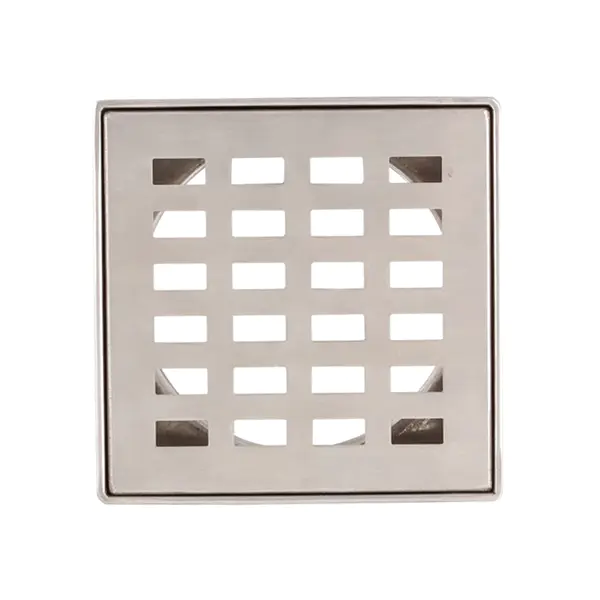
Stainless steel has become a familiar material for bathroom drainage products, since it can provide a clean appearance and suit many interior styles without clashing. Its surface can work with modern tiles, natural looking finishes, simple ceramic fixtures, and other common bathroom designs found in most projects.
The drain also needs to perform its basic role without becoming difficult to maintain day after day. Water should move toward the drainage point, while the surrounding design should allow routine cleaning and inspection without a struggle. These practical details can influence the choice a lot more than decorative appearance alone ever will.
B2B buyers face another consideration worth thinking through early. Products may need sourcing for several properties or large construction projects at once, so consistency can matter across different batches and installation areas spread across a site. Clear product specifications and stable manufacturing processes can make project planning a lot easier for everyone involved.
This has changed the way many buyers approach floor drainage across their projects. Instead of treating a drain as an afterthought tacked onto the end of a spec sheet, they can consider it as a small but genuinely important part of the complete bathroom environment.
There are many Floor Drain Types available for different installation conditions and user needs across a building. The appropriate option depends on the room layout, drainage arrangement, cleaning requirements, surface design, and expected level of use in that specific space.
Residential bathrooms often have genuinely different priorities from hotels or commercial buildings down the street. A homeowner may care strongly about appearance and easy cleaning around the tub, while a hotel operator may also consider consistency across rooms and ease of replacement when something wears out.
Commercial buildings introduce another set of concerns entirely. Shared bathrooms may experience frequent use throughout the day, making access for inspection and cleaning a genuinely important part of product selection. A drain that looks suitable in a showroom may not be equally convenient in a busy facility handling hundreds of visits daily.
Common categories can get viewed from an application perspective worth walking through.
| Bathroom Environment | Common Selection Considerations |
|---|---|
| Residential bathroom | Appearance, cleaning, odor control, and compatibility with flooring |
| Apartment development | Consistent design, installation convenience, and replacement planning |
| Hotel bathroom | Visual consistency, routine maintenance, and guest experience |
| Office building | Practical cleaning and frequent daily use |
| Retail or commercial property | Maintenance access and suitability for shared facilities |
| Public or service areas | Hygiene management, cleaning routines, and durable construction |
Drain design can also influence how easily the product blends into the floor around it. Some designs are visually prominent on purpose, while others are intended to sit quietly within the surrounding surface without drawing attention.
The drainage opening may get paired with different cover patterns and surface treatments depending on the project. These choices can create a genuinely different visual effect, even when the basic function remains similar underneath.
For B2B purchasing teams, it can prove useful to classify products by application, rather than simply by appearance on a catalog page. This makes it a lot easier to compare which drain style fits each area of a larger project spread across many rooms.
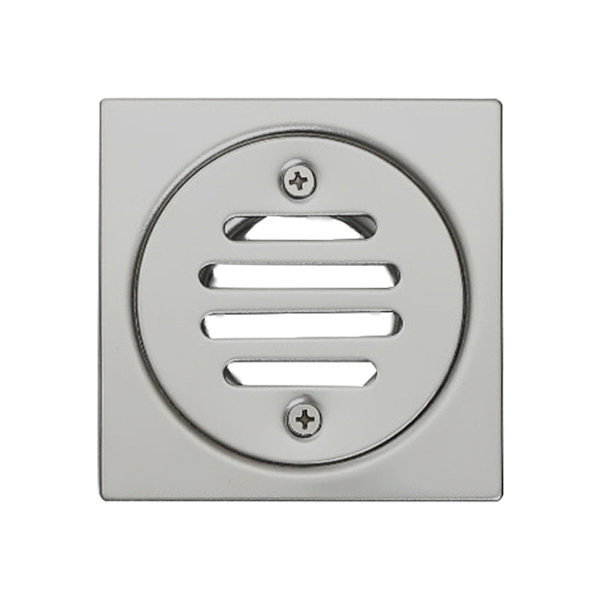
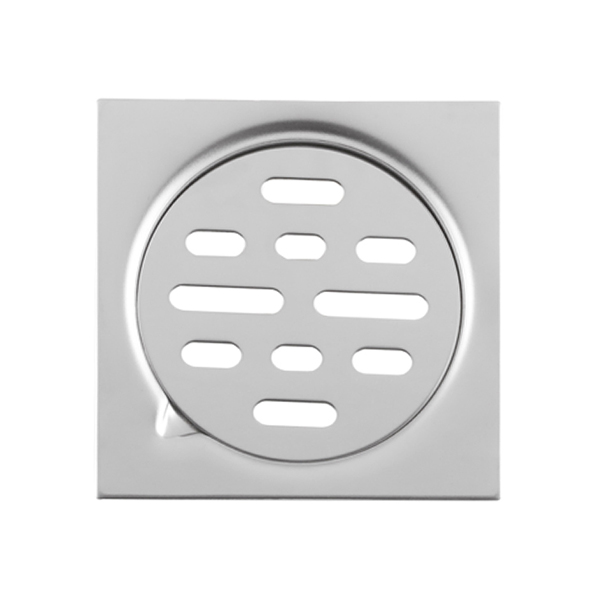
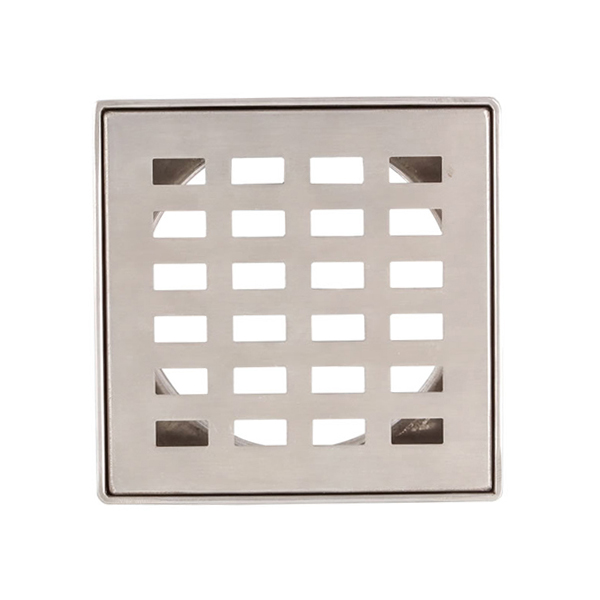
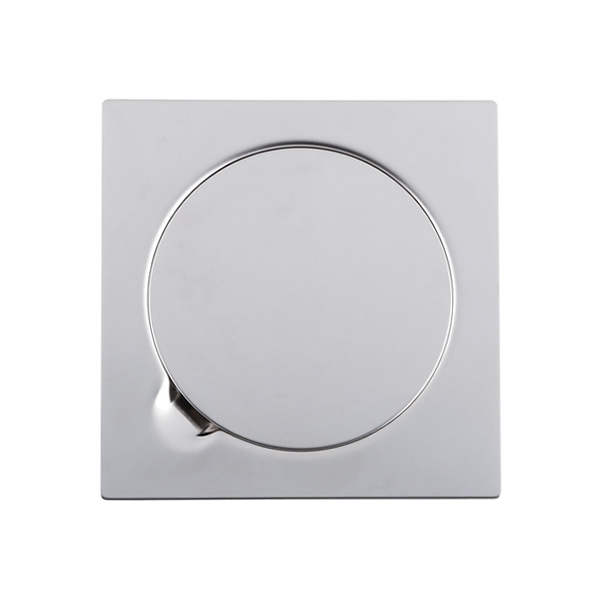
Stainless Steel Drains can suit residential bathrooms where buyers want a practical drainage component that also fits a clean interior design they're building around. The material can work with many tile colors and bathroom styles without creating a strong visual conflict in the room.
Home bathrooms also benefit from products that are relatively easy to inspect and clean on a weekend afternoon. Hair, soap residue, dust, and other material can collect around drainage points during normal use, so the design should allow routine attention without unnecessary difficulty reaching in.
Surface appearance is another consideration worth thinking through. A brushed or smooth finish can create a genuinely different impression from a highly decorative cover, giving homeowners and designers more freedom when coordinating the bathroom interior around it.
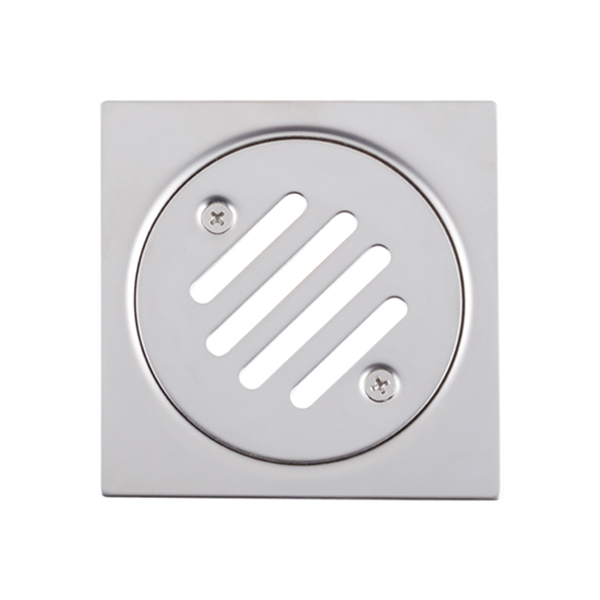
The shape of the drain cover can also influence the final appearance quite a bit. Square and rectangular designs can align with modern tile layouts already planned, while other forms may suit different floor patterns instead. The choice often depends on how the drain relates to the surrounding surface it sits within.
For residential construction projects, consistency can become important once many bathrooms use the same product across a building. Apartment developers may want a coordinated appearance across units while keeping replacement and maintenance relatively straightforward for the maintenance crew.
Home renovation projects can involve genuinely different conditions from new builds. An existing bathroom may have a fixed drainage location already set in concrete, which limits the available options considerably. A new construction project usually provides more freedom to coordinate the drain with the floor layout from the start.
This makes early planning genuinely useful for anyone renovating. The drain should get considered alongside the floor covering and drainage route, rather than selected only after the rest of the bathroom has already been completed and tiled.
Hotel bathrooms combine design expectations with operational needs running in the background. Guests may notice the floor, fixtures, shower area, and drainage details, even when they don't consciously identify each individual component while checking in.
Consistency is especially important in hotel projects spanning many floors. When rooms follow a common design concept, the drain should fit the same visual language as the other bathroom elements around it. Differences in finish or shape can become noticeable across a large property once guests start comparing rooms.
Maintenance also has a genuinely strong influence on the decision. Housekeeping teams need to clean bathrooms efficiently between checkouts, while maintenance staff may need to inspect drainage components during routine property care on a schedule. A practical drain design can make these tasks a lot easier to organize for the whole team.
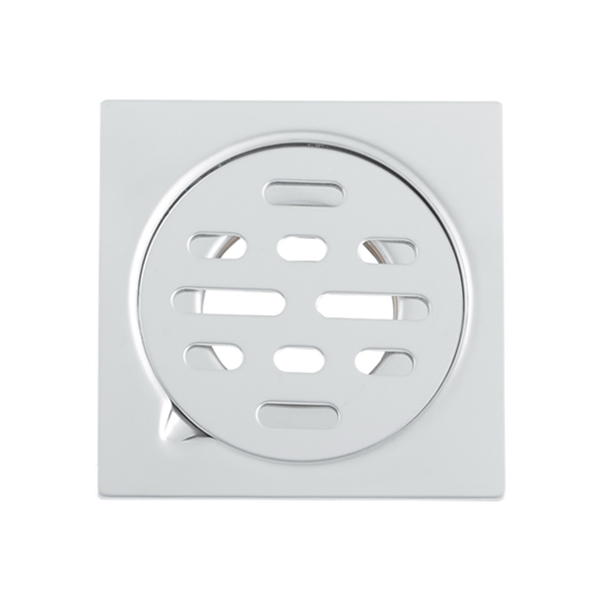
An Anti-Odor Floor Drain can be considered when odor control is an important part of the bathroom design for a property. Unpleasant smells can affect the guest experience quickly, so drainage products may get selected with features intended to reduce the movement of odors back into the room.
The surrounding bathroom environment also matters here. A hotel bathroom may include shower areas, bathtubs, washbasins, and separate toilet spaces all in one layout. Each area can have different drainage needs, which means the same product shouldn't automatically get used throughout the property without checking the installation conditions first.
Designers may also want the drainage cover to coordinate with other visible metal elements in the room. Matching or complementary finishes can create a genuinely more unified appearance across the whole space.
For hotel operators and project buyers, the purchasing decision therefore involves a lot more than product appearance alone. Cleaning routines, replacement planning, odor control, installation conditions, and design consistency can all influence the final selection made for the property.
Commercial buildings often contain bathrooms that serve many users throughout the day, one after another. This creates a genuinely different operating environment from a private residential bathroom and places greater attention on maintenance planning for the facilities team.
Office buildings, shopping facilities, restaurants, clinics, educational properties, and other commercial spaces can have genuinely different bathroom layouts depending on their use. The drain needs to suit the location, rather than getting selected only because it's commonly used elsewhere in similar buildings.
Cleaning is a genuinely important factor in this decision. Commercial bathrooms may get cleaned on a regular schedule throughout the day, so the drain cover and surrounding area should be convenient to access and maintain without slowing down the crew.
The material also deserves consideration here. A suitable surface can help the product maintain a consistent appearance during normal use over months, while a poorly matched finish may become difficult to keep visually clean under heavy traffic.
The relationship between the drain and floor covering is another practical issue worth checking. Tile patterns, grout lines, floor slopes, and shower layouts can affect where the drain gets positioned and how visible it becomes once installed.
Large projects may also require different drain designs within the same building depending on the room. A shower area may need a different arrangement from a utility bathroom or service space tucked in the back.
B2B buyers can organize the selection process around several questions worth asking upfront.
These questions can help purchasing teams avoid treating every commercial bathroom as the same environment when they're clearly not.
Material affects both appearance and practical use in ways buyers should weigh carefully. Stainless steel is commonly associated with a clean, modern appearance, while other materials may provide different visual and design options for a project.
For B2B projects, material selection can also relate to procurement strategy across a build. A developer may need products that coordinate with other bathroom fittings throughout the property, while a contractor may focus more closely on installation and maintenance during the build phase.
Brass is another material used in drainage products across the industry. A Brass Floor Drain Factory may provide designs aimed at projects where a different surface appearance or product style is genuinely required by the design team.
The choice should get based on the application, rather than a general assumption that one material suits every environment equally well. Bathroom location, cleaning practices, surrounding materials, expected use, and design preferences all influence the decision made for a project.
Surface treatment can further change the appearance of the same basic material used across different lines. Polished surfaces create a genuinely different visual effect from brushed or coated surfaces, giving designers additional choices when planning the room's look.
Color can also become part of the selection process for a design-forward project. Traditional metallic finishes remain common on most jobs, but bathroom interiors may use darker, warmer, or more coordinated tones to support a particular design concept the client has in mind.
For hotels and commercial properties, matching the drain with faucets, shower fittings, handles, and other visible elements can create a genuinely more coordinated appearance throughout the room. The goal isn't simply making every component identical to the next, but ensuring the materials and finishes work well together as a set.
Manufacturing consistency is also relevant to large orders spanning many units. When multiple products get installed across a project, differences in surface appearance can become genuinely inconvenient during installation and later replacement down the line.
Drain design has a direct relationship with bathroom maintenance, since the drainage area can collect water, residue, and small particles during everyday use without anyone noticing right away. A practical design should allow these areas to get inspected and cleaned as part of normal bathroom care on a routine basis.
Odor management is another concern worth addressing early. Drainage systems connect the bathroom with a wider pipe network running through the building, so suitable designs may include measures intended to limit unwanted smells from entering the room through the drain itself.
An Anti-Odor Floor Drain is particularly relevant to bathrooms where odor control is part of the building maintenance plan already in place. Hotels and shared commercial facilities may pay closer attention to this issue, since unpleasant smells can affect many users passing through in a single day.
The surrounding floor should also get considered as part of the plan. If the drain is positioned in an area where water tends to remain pooled, cleaning requirements may increase over time. Proper installation and suitable floor planning work together with the drain design to prevent this.
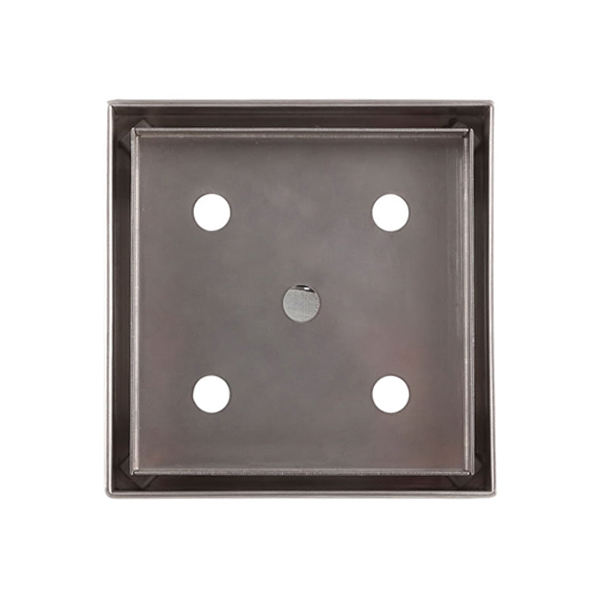
Removable components can also influence maintenance quite a bit. When a cover or internal part can get accessed without unnecessary effort, cleaning staff may find routine care a lot easier to manage on their rounds.
Different projects may have genuinely different cleaning methods depending on who's responsible. Residential users may clean the bathroom themselves on their own schedule, while hotels and commercial buildings often have established housekeeping or facility maintenance routines already running.
A product should therefore get evaluated according to the actual maintenance process it'll face. The question isn't only whether the drain can remove water efficiently, but whether staff or homeowners can keep the drainage area clean and usable over the long haul.
Large projects require a broader purchasing view, since the product needs to work across many rooms and installation conditions spread across a site. Price is relevant to the decision, but it should get considered together with material, design consistency, maintenance, installation, and supply arrangements as a whole package.
Buyers can begin by separating products according to application across the project. Residential units, hotel rooms, shared bathrooms, service areas, and commercial facilities may not need exactly the same drainage design side by side.
A simple comparison can help sort through the options.
| Purchasing Area | Questions for B2B Buyers |
|---|---|
| Material | Does the material fit the intended bathroom environment? |
| Design | Does the drain coordinate with the planned interior? |
| Cleaning | Can the visible and accessible parts be maintained easily? |
| Odor control | Does the design address the project's odor concerns? |
| Installation | Does the product fit the planned floor and drainage arrangement? |
| Consistency | Can multiple rooms use a coordinated design? |
| Replacement | Can matching products be sourced for future maintenance? |
| Supply | Can the manufacturer support the project's purchasing requirements? |
Supplier communication is especially important when a project involves different bathroom layouts scattered across a site. Buyers should provide clear information about where the products will be installed and how the rooms will actually be used once occupied.
Manufacturers may also offer different surface finishes, cover designs, sizes, and material choices across their range. These options can help a project maintain a consistent design while adapting to different bathroom locations throughout the building.
Packaging and delivery preparation shouldn't get overlooked in the planning either. Drainage products may get installed across multiple construction areas over several weeks, so clear identification and suitable protection can make site management a lot easier for the crew receiving shipments.
Replacement planning is another genuinely useful consideration for property owners thinking long term. Bathrooms remain in service long after the initial construction stage wraps up, and future maintenance may require covers or complete drain assemblies that visually match the original installation from years back.
For this reason, B2B purchasing is often less about choosing one isolated product off a list. It's more about establishing a drainage solution that fits the project's design, installation, maintenance, and supply process as one connected whole.
Copyright © Yuhuan Better Machinery Co., Ltd. All rights reserved

 English
 Español
 عربى
عربى

 +86-576-87422105
 +86-576-87422322
 Xuancheng rd 32#, Yuhuan Economic Development Zone, Zhejiang, China