Become your trusted floor drain product partner and supplier in China.
Tel: +86-576-87422105, Email: [email protected]

China floor drains are no longer treated as a small hidden part of the room. In many modern bathroom projects, they are now part of the visual plan. People pay attention not only to how water leaves the space, but also to how the drain sits with the floor, the tile pattern, and the overall feeling of the room.
A common change is the move toward cleaner lines. Many bathrooms now use a drain that looks quieter on the floor, so the surface feels calm and open. This works well in spaces that aim for a simple look, where the details should support the room instead of interrupting it.
Another shift is the use of flatter forms. A flatter drain can sit more gently within the floor, which helps the ground look more unified. For many homeowners and designers, that visual continuity matters. It gives the bathroom a more orderly feel without drawing too much attention to one small point.
China floor drains are also being chosen with the surface material in mind. When the floor and drain share a similar tone or shape, the result feels more connected. That is one reason hidden-style designs continue to appear in more projects. They blend into the room and keep the focus on the larger space.
There is also growing attention on daily use. A drain may look simple, but the design still needs to handle water, cleaning, and routine care. Because of that, people are asking for forms that feel neat while staying practical.
| Design direction | Visual effect | Common use |
|---|---|---|
| Flat surface style | Makes the floor feel calm | Modern homes |
| Hidden style | Reduces visual interruption | Minimal spaces |
| Linear shape | Adds a clear direction | Shower areas |
| Tile-matched style | Blends with flooring | Custom interiors |
Linear drain design is changing the way bathroom layouts are planned. Instead of placing the drain as a small center point, many rooms now use a longer form that works along one side of the shower zone or near a wall. This changes how the floor is shaped and how water moves across the space.
One reason for this shift is layout clarity. A linear form gives the bathroom a more defined structure. It can help the shower area feel separate from the rest of the room without adding visual clutter. For open layouts, that can be useful because the room stays simple while still feeling organized.
Another effect is on floor slope. With a linear drain, the floor can be shaped in a more directional way. Water moves toward one line instead of spreading toward a central point. That often makes the room feel cleaner and more settled in daily use.
Many designers also like the way a linear form works with long tile patterns. When the floor has a clear direction, the drain can sit naturally within that line. It is one of the reasons China floor drains in linear form appear often in newer bathroom plans.
People also value the way this design supports larger shower areas. A longer drain can suit wider spaces and can help the room feel less broken up. The visual effect is usually calm and controlled, which matches many current interior styles.
Linear drain design does not only change the drain itself. It changes the way the whole bathroom is arranged. That is why many projects now treat these drainage systems as part of layout planning rather than a minor finishing detail.
Which Floor Drain Designs Work Well in Minimalist Interior Spaces
| Design type | Visual feel | Works well when |
|---|---|---|
| Hidden style | Quiet and subtle | The room needs a calm surface |
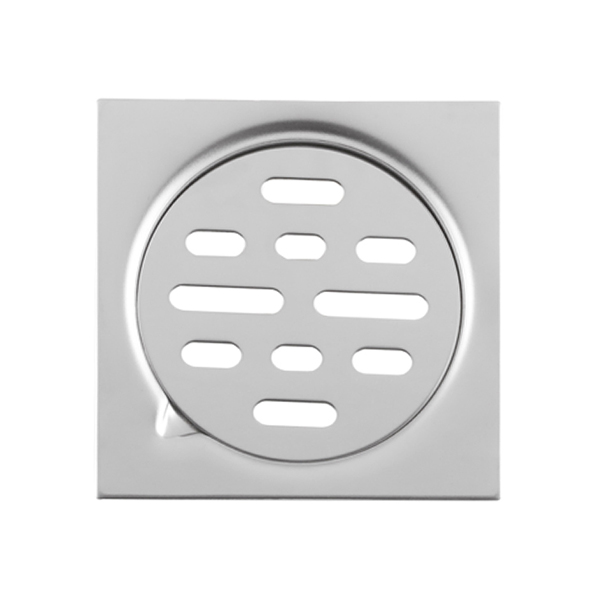
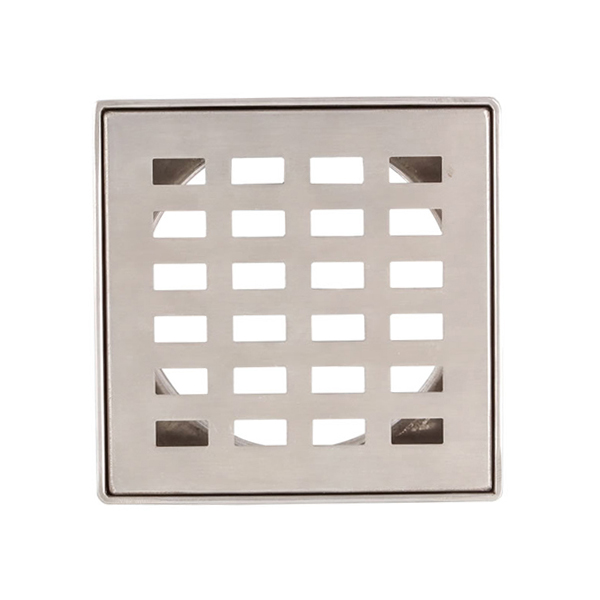
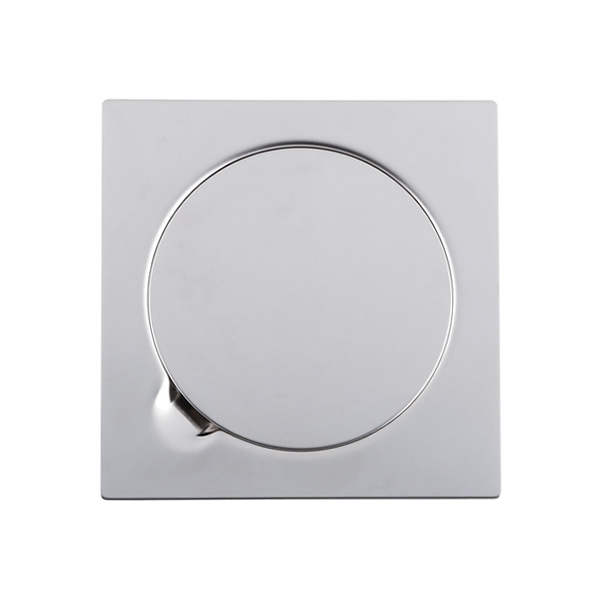
| Square style | Neat and steady | The layout is compact |
| Linear style | Clear and directional | The shower zone is long |
| Tile-matched style | Integrated and smooth | The floor pattern is important |
For many buyers, the real question is not which style looks more modern. The better question is which style matches the room's rhythm. A minimalist bathroom often feels stronger when the drain does not interrupt the floor design.
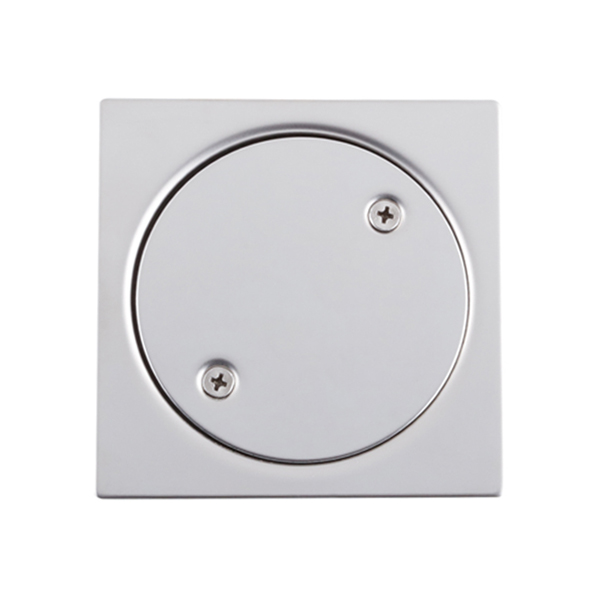
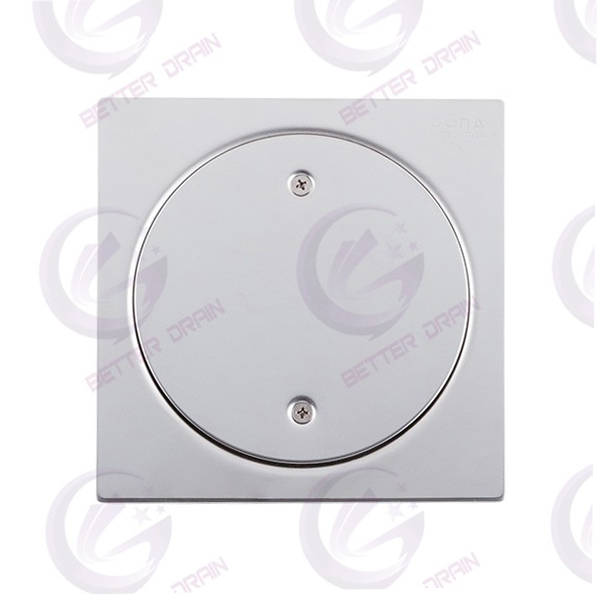
Hidden drain systems are getting more attention because they fit the direction many bathrooms are taking. People want cleaner surfaces, fewer visual breaks, and a room that feels more unified. A hidden drain supports that aim by staying out of sight or by blending closely with the floor material.
One reason for the growing interest is the wish for a smoother floor look. In many modern bathrooms, the floor is treated as one continuous surface. A visible drain can interrupt that feeling. A hidden design reduces that break and helps the room feel more open.
Another reason is style flexibility. Hidden designs can work with many room types, from simple home bathrooms to more polished hotel spaces. They also work well when the floor material has a clear pattern or tone. The drain can sit quietly within that pattern instead of standing apart from it.
China floor drains in hidden form are also popular because people often want a design that feels tidy in daily life. A quiet visual presence can make the bathroom feel less crowded. That matters in smaller spaces, where every visible detail has more impact.
Common reasons people choose hidden drain systems include:
Hidden systems are not only about appearance. They also reflect how many people now think about bathroom planning. The room is expected to feel simple, useful, and comfortable at the same time. That is why China floor drains with hidden styling continue to appear in more projects.
If the design is handled well, the drain becomes part of the room rather than a separate object. That is the main reason this style keeps gaining attention in bathroom design.
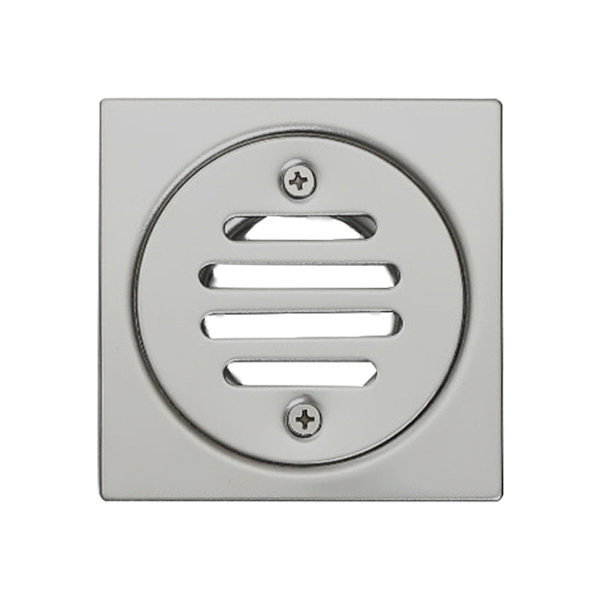
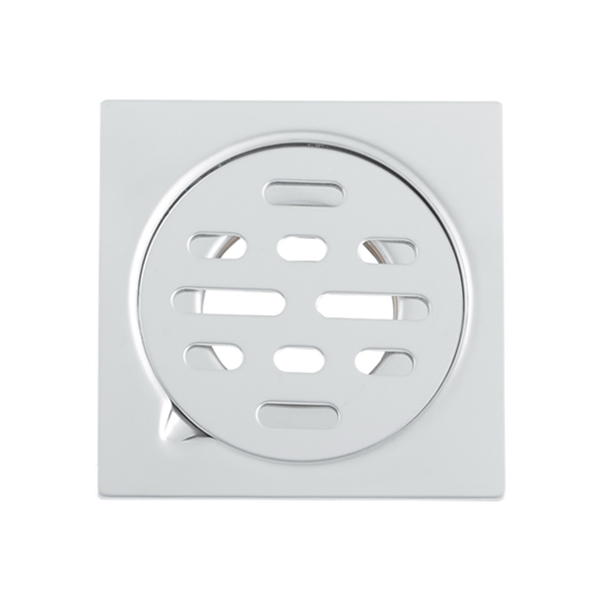
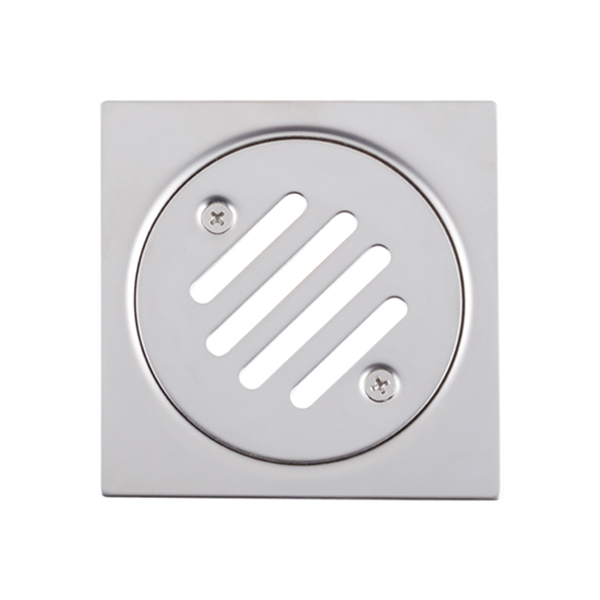
Choosing between square and linear forms often depends on how the space is planned rather than appearance alone. In many bathroom projects, China floor drains are selected based on how water is expected to move across the floor and how the tile layout is arranged. Square designs usually sit at a central point, while linear designs follow a direction, which can influence the overall floor structure.
In smaller bathrooms, square drain designs are often used because they fit naturally into compact layouts. They work well when water flow comes from multiple directions. In longer shower areas, linear drainage systems can guide water in a single direction, which changes how the floor slope is shaped.
Another point is how visible the drain should be. Some spaces prefer a more noticeable center point, while others aim for a continuous surface. In those cases, linear drainage systems or tile-matched designs are often considered because they reduce visual interruption.
The tile pattern also plays a role. Square layouts can align more easily with centered drains, while linear layouts often follow the direction of wall lines or shower partitions. China floor drains are therefore often chosen alongside tile planning rather than after it.
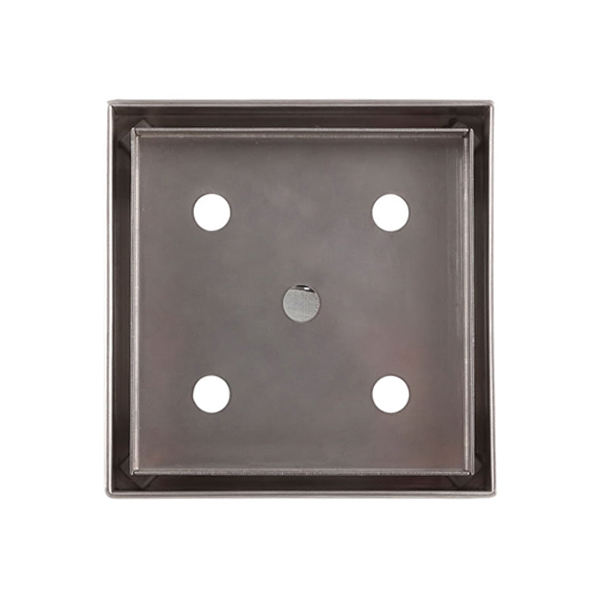
Water flow performance in bathroom spaces is influenced by more than just pipe size. The internal structure and surface design of China floor drains can affect how smoothly water enters and moves through the system. Open inlet shapes, internal channels, and filter layouts all contribute to how water is guided downward.
A key factor is the opening design. Wider or more evenly distributed inlets allow water to enter more smoothly. In many cases, drainage systems are designed with surface patterns that help guide water toward the center or along a channel, which reduces the chance of pooling on the surface.
Another important feature is the internal path. If the channel inside is too narrow or uneven, water movement may slow down. Well-planned drainage systems often use smoother internal transitions to support steady flow from the surface to the outlet.
The filter section also plays a role. While its main function is to catch debris, its structure can influence how quickly water enters the drain. A balanced design helps maintain smooth usage in daily bathroom conditions.
Common design features that support flow include:
In bathroom planning, China floor drains are usually considered as part of the overall water path. When the design of each part works together, the movement of water across the floor feels more consistent.
Odor control in bathroom drainage systems is usually related to how air and water are separated inside the drain structure. China floor drains designed for this purpose often use internal barriers or sealing components that help reduce the return of air from the pipe system into the room.
One common approach is a water-based barrier. When water remains in a specific chamber, it can block air movement from below. In many China floor drains, this chamber is shaped to hold water in a stable position, even during periods of low use.
Another approach involves mechanical sealing elements. These parts can close when there is no water flow and open when water enters. This movement helps control air exchange while still allowing normal drainage. Drainage systems with this type of structure are often chosen in spaces where usage is irregular.
The performance of these systems can also depend on maintenance conditions. If the water seal is not maintained, the barrier may become less stable. For this reason, drainage systems are often designed to balance sealing function with ease of cleaning.
Typical design approaches include:
In daily bathroom use, China floor drains with odor control features aim to maintain a stable separation between the indoor space and the drainage system, while still supporting regular water flow.
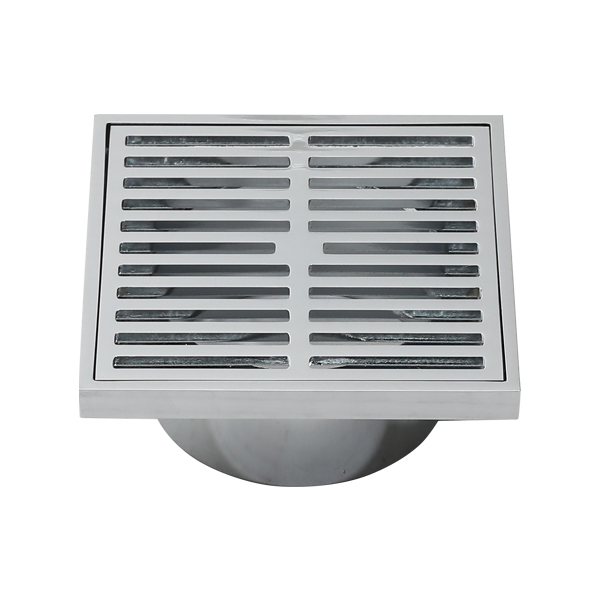
Placement of a floor drain influences how water moves across the entire bathroom surface. It is not only a technical decision but also part of how the room is visually and functionally organized. China floor drains are often positioned based on both layout structure and usage patterns.
In shower areas, placement usually follows the direction of water flow. If the drain is placed too far from the natural slope, water may collect in unwanted areas. Because of this, drainage systems are often positioned after the shower zone is defined, not before.
Another consideration is how the drain interacts with the room layout. Positioning near a wall can open up the central floor area, while a more central location may support balanced water collection from multiple directions.
Tile layout is closely connected to placement. When tiles are arranged in a directional pattern, the drain position often follows that direction. This helps maintain a consistent visual flow across the floor surface. China floor drains are therefore often aligned with both structural and aesthetic planning.
In many projects, drainage systems are considered early in the planning stage. Their placement affects not only drainage efficiency but also how the bathroom feels when the space is used every day.
At the manufacturing side of these applications, attention to structure consistency and installation adaptability often supports different project requirements, and coordination with production processes at Yuhuan Better Machinery Co., Ltd. can be seen in various product development practices.
Copyright © Yuhuan Better Machinery Co., Ltd. All rights reserved

 English
 Español
 عربى
عربى

 +86-576-87422105
 +86-576-87422322
 Xuancheng rd 32#, Yuhuan Economic Development Zone, Zhejiang, China