Become your trusted floor drain product partner and supplier in China.
Tel: +86-576-87422105, Email: [email protected]

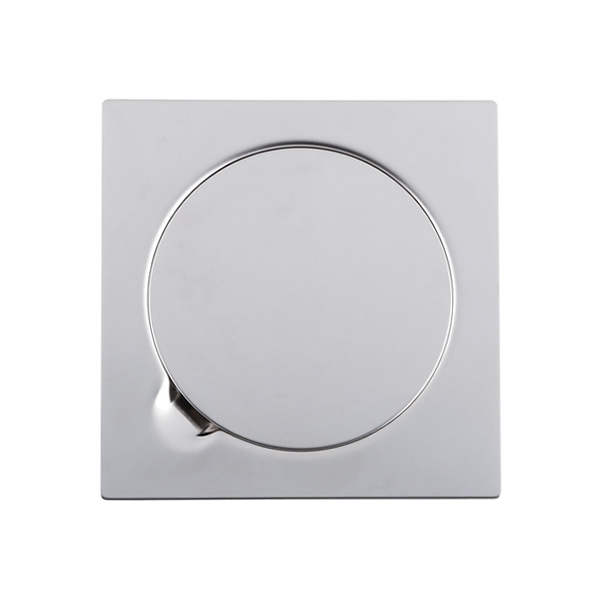
Step into a shower after a long day and notice how quickly the water actually disappears down that small metal grate in the floor. Nobody thinks about it until it stops working properly, water starts pooling around their feet, or a faint smell drifts up from somewhere below. An Anti Clog Floor Drain exists specifically to prevent that moment from happening, tackling the hair and debris buildup that turns an ordinary bathroom fixture into a recurring headache.
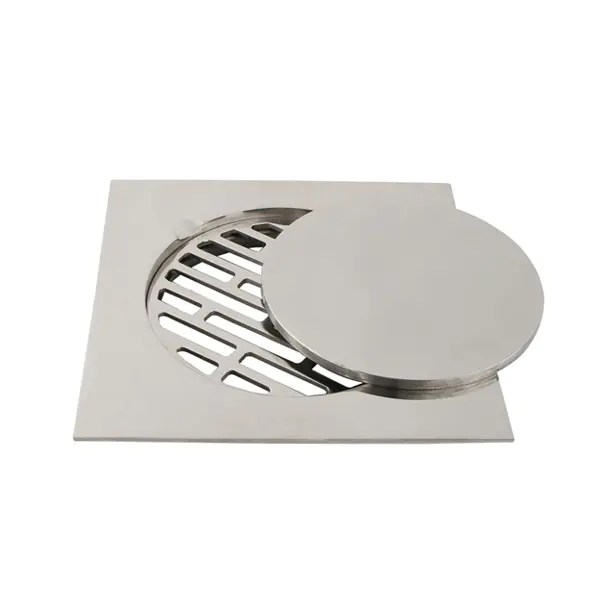
Floor drains sit at the bottom of the priority list for most people designing a bathroom or kitchen, right up until one clogs. As homes and commercial spaces keep getting built with different layouts and different daily habits, the humble floor drain has had to change right along with them.
Bathrooms, kitchens, and laundry rooms don't handle water the same way. A kitchen deals with grease and food particles. A laundry room deals with lint. A bathroom deals with hair and soap residue. A single drainage design built decades ago rarely handles all of these situations equally well.
| What's Changed | How Drainage Design Has Responded |
|---|---|
| Water needs to move away faster and more reliably | Structures built around smoother flow paths |
| Cleaning shouldn't require special tools | Covers and grates designed for easy removal |
| Odors shouldn't drift back up into living spaces | Better seals and trap designs |
| Different rooms need different setups | A wider range of drain styles to choose from |
None of these shifts happened because floor drains suddenly became fashionable. They happened because people got tired of dealing with slow drains, bad smells, and clogs that required calling a plumber every few months.
At its most basic, a floor drain moves water off a surface and into the plumbing system before it has a chance to pool. That sounds simple, but a poorly designed drain can turn a quick shower into standing water, or let sewer odors creep back into a room.
A floor drain today is generally expected to handle:
A commercial kitchen running water and cleaning solution across the floor throughout a shift needs a drain doing all of this constantly, not just occasionally, which is a very different demand than an occasional home bathroom drain faces.
A drain built for a quiet home bathroom doesn't necessarily hold up in a busy commercial kitchen, and vice versa. That mismatch is part of why so many drain types exist now instead of one universal design.
| Drain Type | Where It Tends to Show Up |
|---|---|
| Traditional round drain | General household bathrooms |
| Linear drain | Modern bathroom layouts, often paired with walk-in showers |
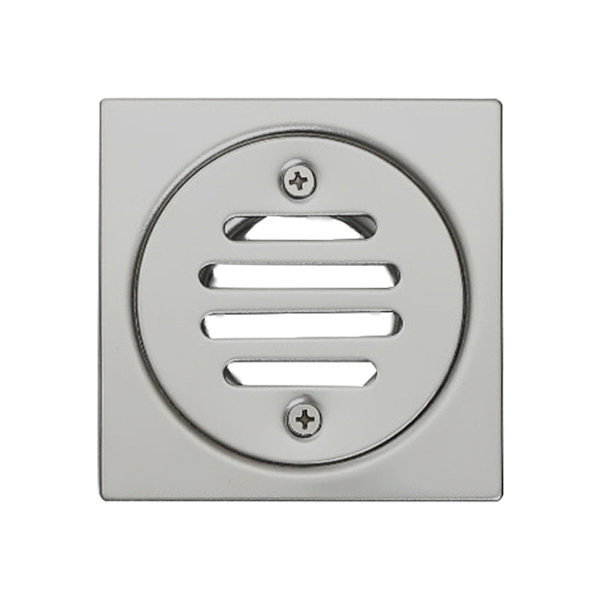
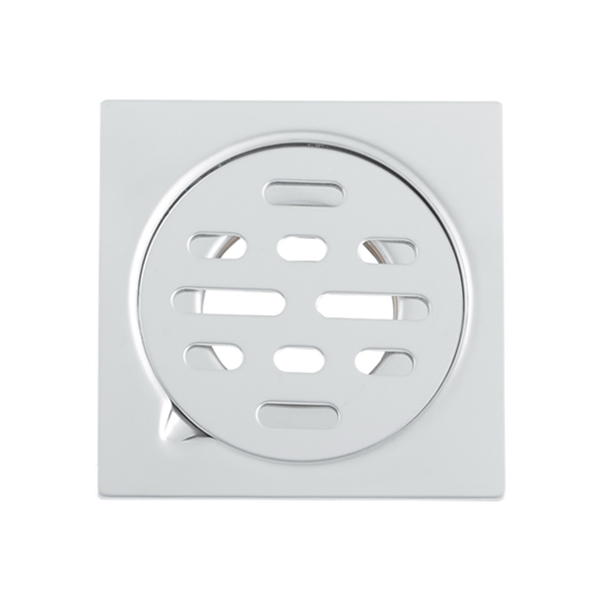
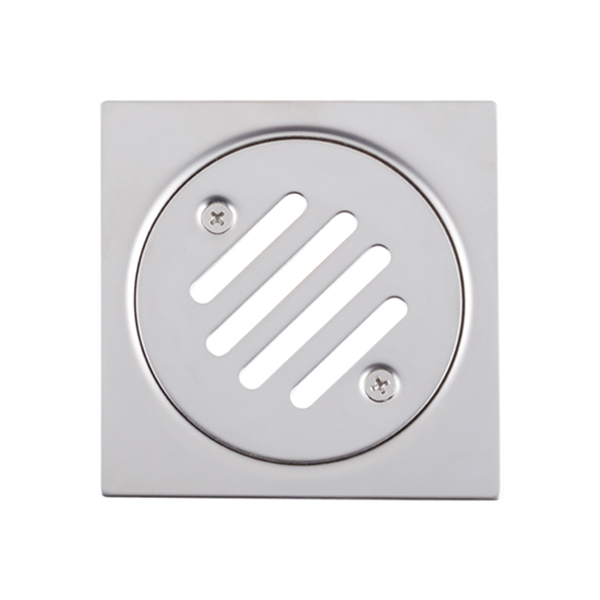
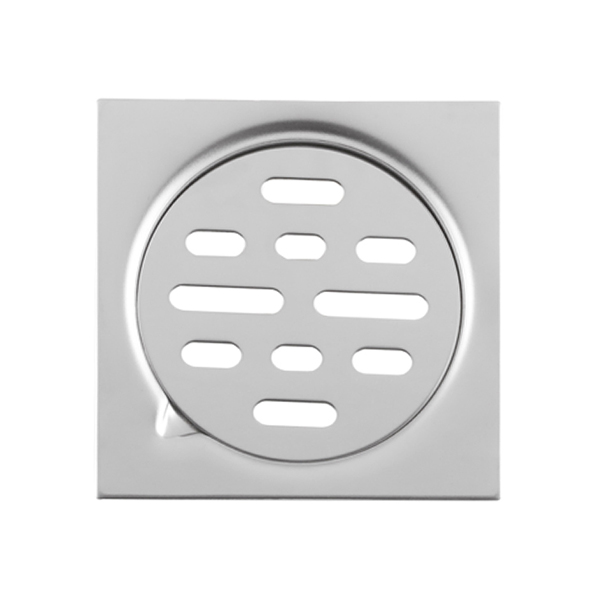
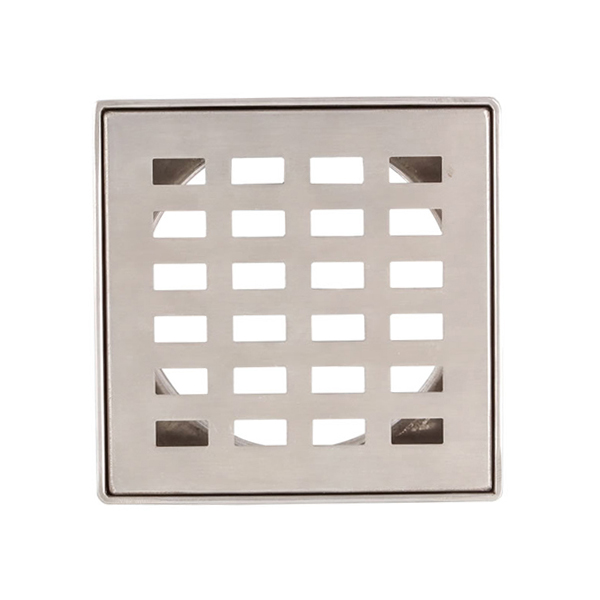
| Anti clog drain | Spaces where hair or debris buildup is a constant issue |
| Specialized drainage designs | Commercial kitchens, laundry facilities, and similar high-use areas |
A homeowner remodeling a bathroom into a walk-in shower style often picks a linear drain specifically because it runs along one edge of the shower floor, fitting cleanly into that layout instead of sitting awkwardly in the middle.
Hair wrapped around a drain cover is a familiar frustration in a lot of households, especially in homes with more than one person sharing a bathroom. An Anti Clog Floor Drain is built specifically around preventing that kind of buildup from turning into a slow, smelly drain.
The design usually focuses on:
A household with long-haired family members showering daily benefits noticeably from this kind of drain, since the alternative usually means pulling out a tangled clump every couple of weeks just to keep water draining properly.
A drain that works fine on day one but turns into a hassle six months later isn't actually solving the problem it was installed for. People have started paying closer attention to how easy a drain is to keep clean, not just how it performs when brand new.
| Feature | Why It Helps Day to Day |
|---|---|
| Removable cover | Makes cleaning quick instead of a wrestling match |
| Simple internal structure | Fewer spots for debris to get stuck and build up |
| Built-in debris control | Reduces how often manual cleaning is even needed |
| Sturdy materials | Holds up to repeated cleaning without wearing down |
A rental property manager dealing with several units benefits from drains that tenants can clean themselves without a service call, since a drain requiring specialized tools or knowledge tends to generate more maintenance requests over time.
Drains used to be treated as something to hide or ignore visually, tucked into a corner and forgotten about. That's shifted somewhat as bathroom and kitchen design has become more deliberate about how every visible element looks together.
Modern drain design tends to consider:
A designer working on a minimalist bathroom renovation, for example, often chooses a linear drain with a flush, simple cover specifically because it blends into the floor rather than drawing attention as a separate fixture.
Water sitting where it shouldn't tends to create problems beyond just an inconvenience. Standing water and trapped moisture can lead to odors and, over time, encourage mold or mildew in spaces that don't dry out properly.
| Hygiene Concern | How Drain Design Addresses It |
|---|---|
| Lingering odors | Better trap and seal designs block smells from rising back up |
| Damp, uncleaned surfaces | Smoother water flow reduces standing moisture |
| Hard-to-reach buildup | Simpler structures make regular cleaning realistic |
| Daily habits affecting cleanliness | Designs that match how people actually use the space |
A gym locker room running constant foot traffic and shower use throughout the day depends heavily on drains that manage moisture properly, since a poorly draining floor in that kind of space becomes a hygiene problem fairly quickly.
Getting a floor drain right involves balancing several competing needs at once, which isn't always straightforward once real-world conditions get factored in.
| Challenge | What It Requires |
|---|---|
| Different rooms need different solutions | Designs flexible enough to suit varied applications |
| Users expect low-effort maintenance | Structures that are genuinely easy to clean, not just marketed that way |
| Limited installation space | Careful planning around existing plumbing and floor layouts |
| Preferences keep shifting | Ongoing adjustments as user expectations change |
A manufacturer designing a drain meant for both home and commercial use has to account for very different usage patterns, since a household bathroom and a restaurant kitchen floor put very different daily demands on the same basic fixture.
Buildings today are planned with more attention to how individual systems work together rather than treating each component in isolation. A floor drain might seem like a minor detail, but it connects directly to plumbing, flooring, and overall moisture management throughout a space.
This broader thinking tends to support:
A commercial building project factoring in drainage early during design tends to avoid awkward retrofits later, compared to treating floor drains as an afterthought once the rest of the layout is already finalized.
People are generally less willing to tolerate small daily annoyances than they used to be, and a clogged drain is exactly the kind of recurring problem that wears on someone over time. Anti Clog Floor Drain designs respond directly to that frustration.
Their growing presence in renovation projects shows something fairly simple: a small fixture tucked into the corner of a bathroom floor can still shape how someone feels about that space every single day, whether that's relief at a shower draining properly or annoyance at yet another clog needing attention.
Drainage systems keep moving toward designs built around actual daily use rather than a one-size-fits-all approach from decades past. Different Floor Drain Types now let builders and homeowners match a solution to the specific room and situation instead of settling for whatever standard option was available.
As expectations around cleanliness, convenience, and design keep shifting, floor drain development will likely keep following that same path — quietly solving a problem most people only notice when something goes wrong, and staying invisible the rest of the time when it's actually doing its job.
Copyright © Yuhuan Better Machinery Co., Ltd. All rights reserved

 English
 Español
 عربى
عربى

 +86-576-87422105
 +86-576-87422322
 Xuancheng rd 32#, Yuhuan Economic Development Zone, Zhejiang, China