
 English
 Español
 عربى
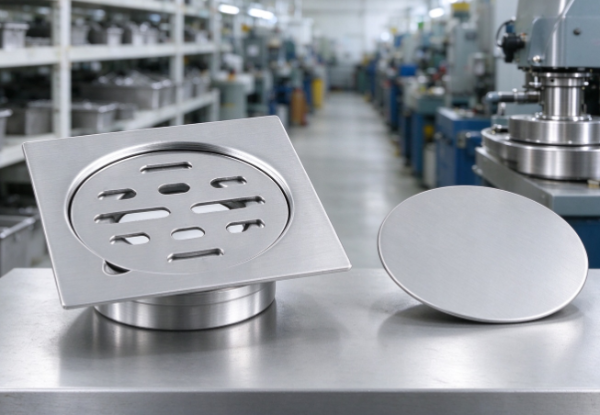
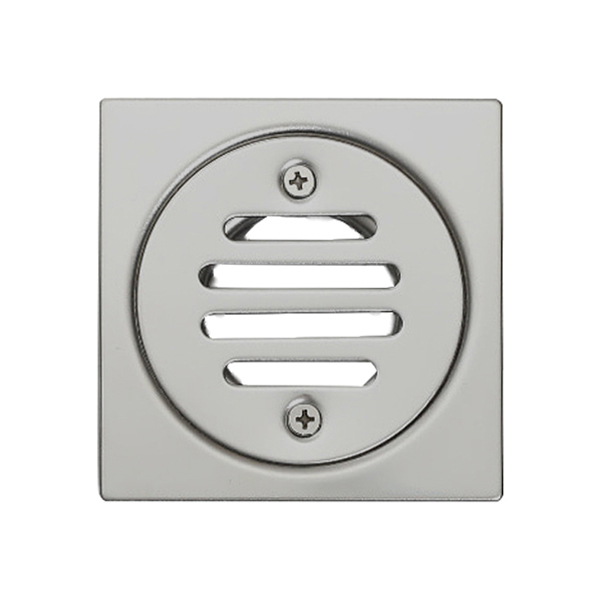
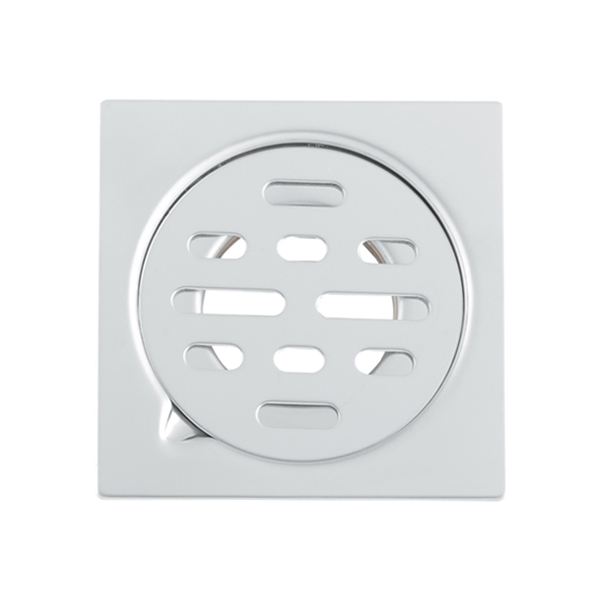
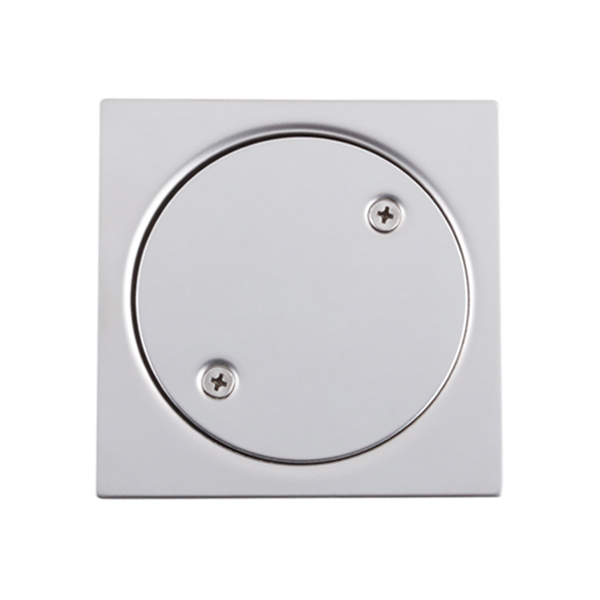
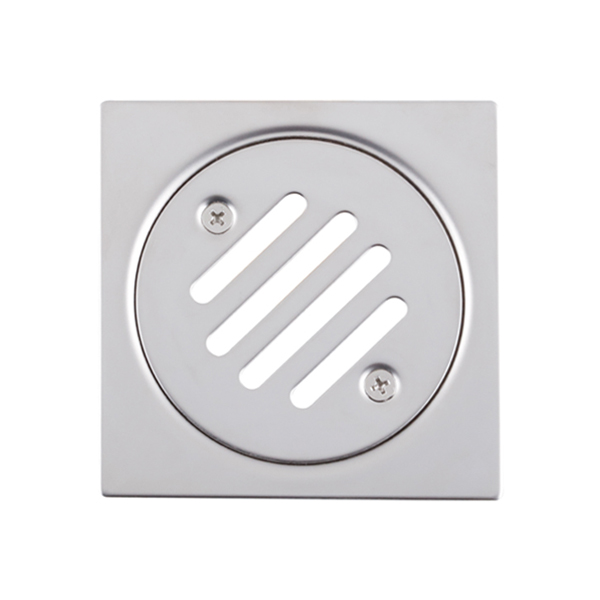
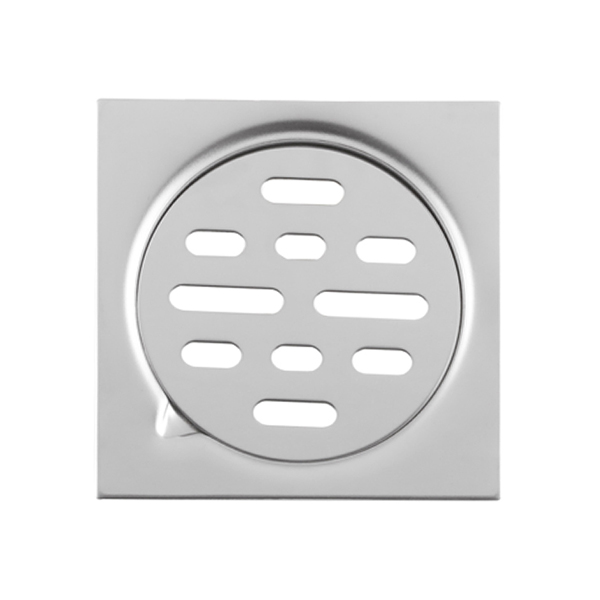
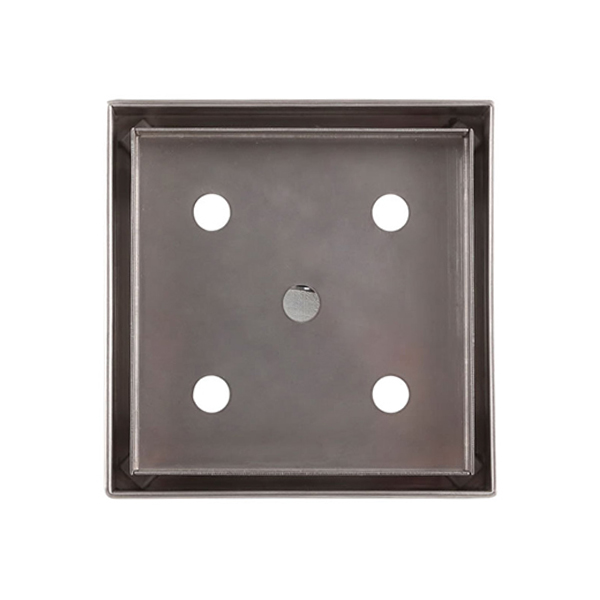
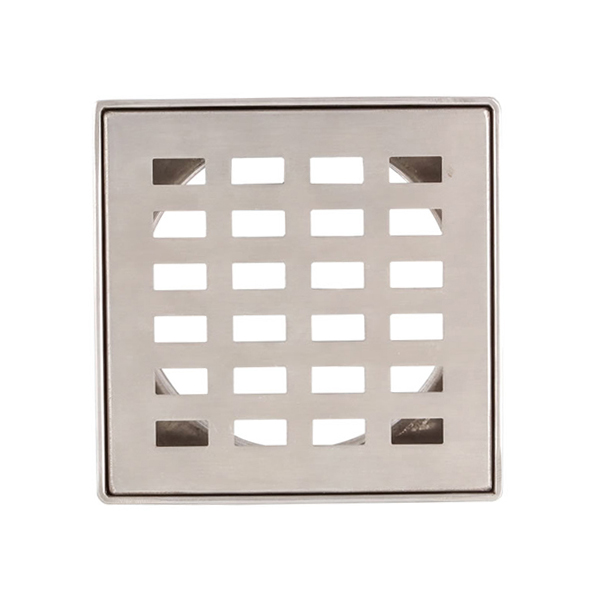
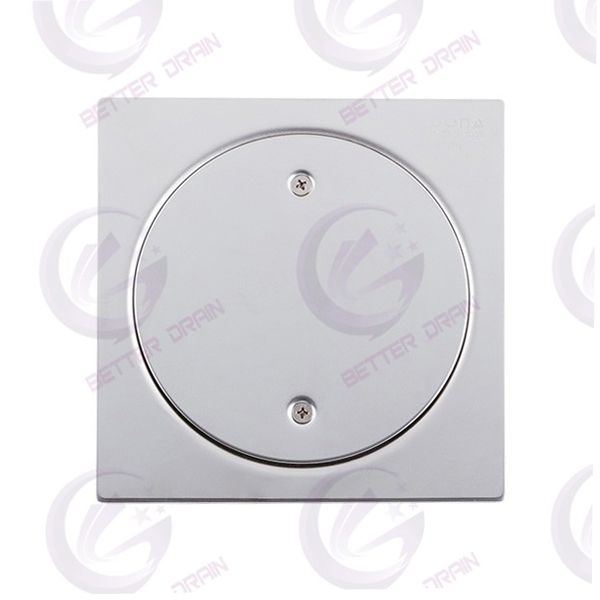
Floor drains sit in bathrooms, kitchens, laundry rooms, balconies, and utility spaces. The drainage layout decides where they go. The factory decides what actually goes there.
In practice, a factory handles five jobs:
- Product development: designing drains for different floor finishes, installation conditions, and customer requests.
- Material selection: matching metal or plastic to the environment and the look the customer wants.
- Manufacturing: making bodies, covers, and internal parts, then bringing them together.
- Inspection: catching visible defects, poor fit, and deviations from the agreed specification.
- Order coordination: handling variations, packaging, and communication with distributors and site buyers.
Each group downstream cares about something different. Designers want a cover that suits the room. Installers want a body that lines up with the pipe already in the slab. Distributors want the same model to look identical in the third shipment as in the first. Property owners mostly want to forget the drain exists.
| Stakeholder | Main concern | What the factory provides |
|---|---|---|
| Architects and designers | Appearance, space planning | Cover styles, product information |
| Contractors and installers | Fit on site | Drawings, installation details |
| Distributors and importers | Consistency across orders | Specifications, packaging, repeat production |
| Owners and maintenance teams | Cleaning and access | Care guidance, removable parts |
A new bathroom might need a drain that matches the tile grid. A renovation, on the other hand, often has to fit an outlet that cannot move. The same factory may be asked to solve both.

 +86-576-87422105

 +86-576-87422322
 Xuancheng rd 32#, Yuhuan Economic Development Zone, Zhejiang, China
