Become your trusted floor drain product partner and supplier in China.
Tel: +86-576-87422105, Email: [email protected]

A drain that traps hair and debris just below the surface, forcing someone to fish around with a wire hanger every few weeks, usually has a fixed cover sitting on top of it. A drain that comes apart easily for cleaning but rattles loose or lets odor creep back up through the gaps has its own set of problems too. The choice between a removable grate and a fixed cover floor drain isn't a minor detail buried in a product spec sheet — it determines how often someone has to think about that drain at all, and getting it wrong on a renovation or commercial build means living with a maintenance headache that didn't need to exist in the first place.
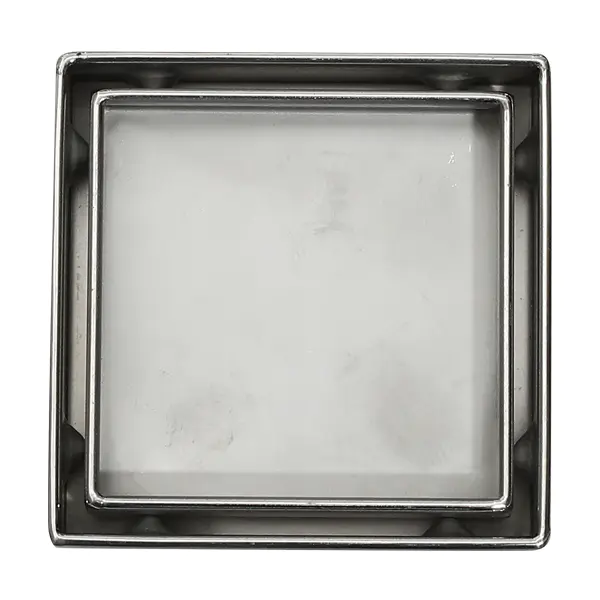
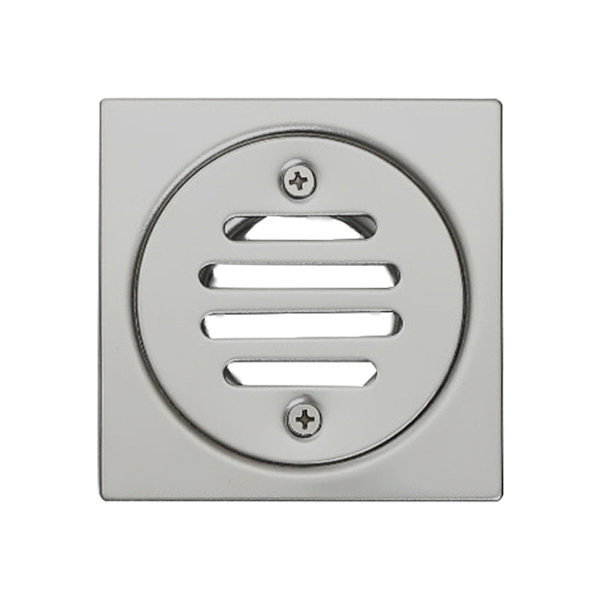
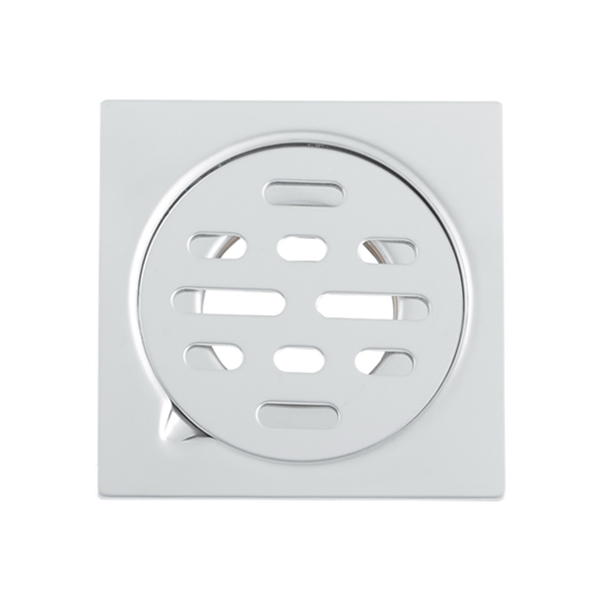
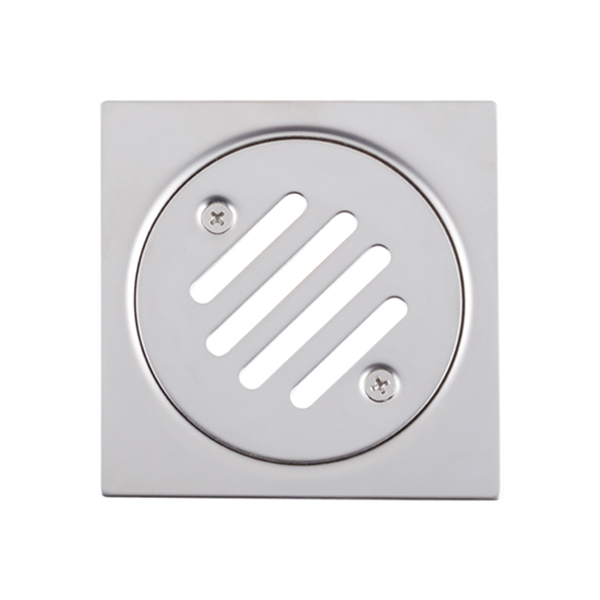
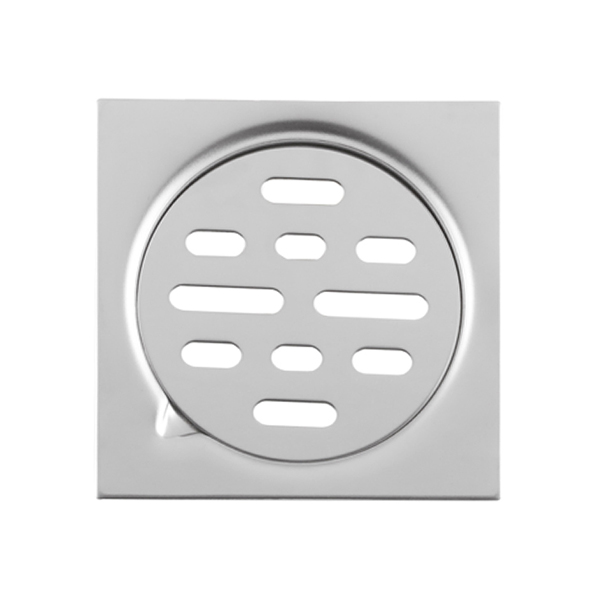
A removable grate floor drain has a top cover that lifts out or unscrews, exposing the trap and drainage channel underneath for direct cleaning. This design exists specifically to make debris removal straightforward, since the person cleaning it can see exactly what's accumulated and clear it by hand rather than relying on water flow alone to flush everything through.
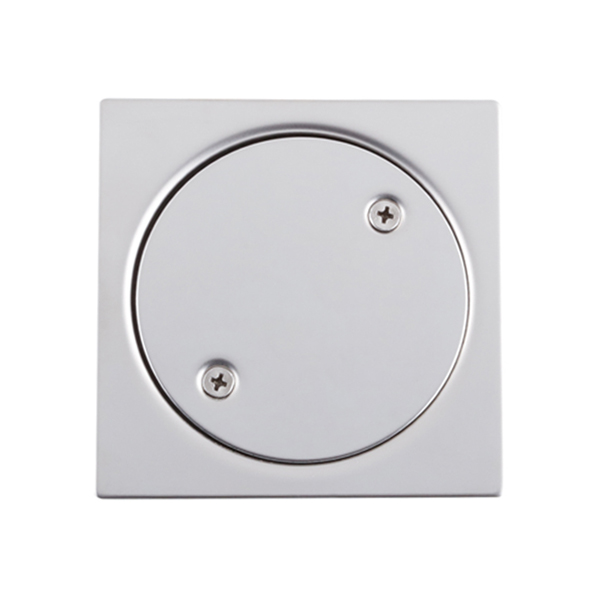
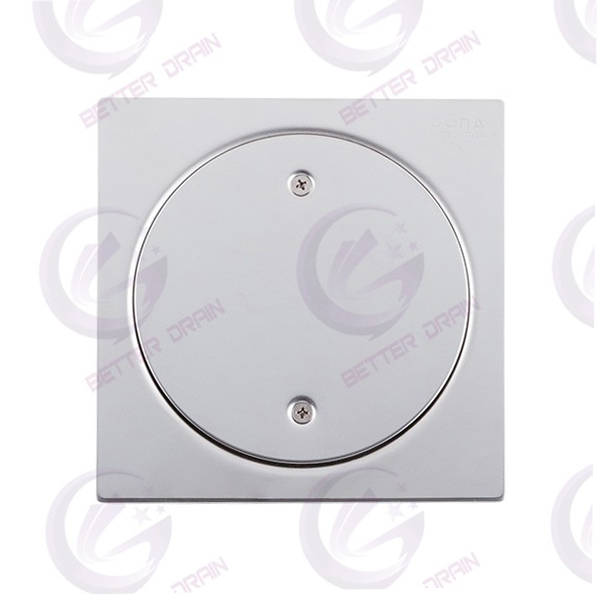
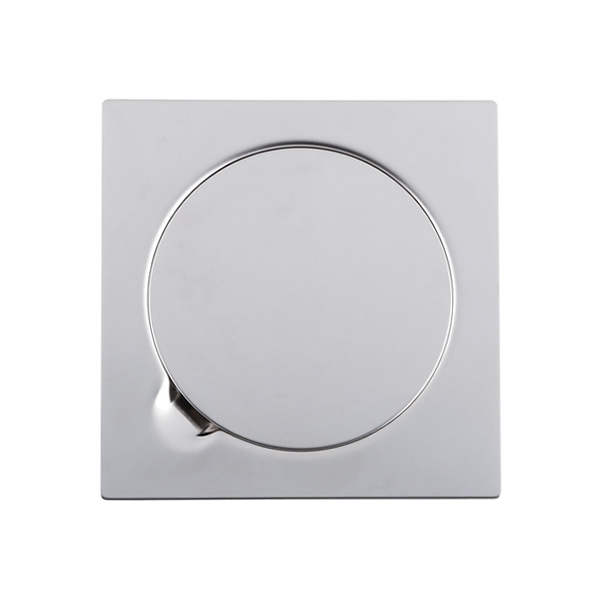
A fixed cover drain has its grate or cover permanently attached, either welded, bonded, or secured in a way that isn't meant to come apart during normal use. Cleaning happens through the drain openings themselves rather than by removing the top, which keeps the unit more secure and tamper-resistant but limits how thoroughly someone can actually get into the trap when something does build up.
The access difference between these two designs is the single factor that drives most of the practical differences buyers actually care about — cleaning effort, clog risk, odor control, and how well a given drain holds up in a specific environment. Everything else discussed here traces back to this one structural choice.
Lifting a grate out, rinsing it under a tap, and clearing whatever's settled in the trap below takes a few minutes and requires no tools in most designs. This matters considerably in environments where debris accumulation is frequent and predictable, since regular access keeps the drain performing at full capacity rather than gradually narrowing as buildup goes unaddressed between deeper cleanings.
Without the option to lift the cover off, maintaining a fixed cover drain relies more heavily on regular flushing, occasional use of a drain snake or flexible cleaning tool through the grate openings, and periodic professional cleaning for anything that's settled too deep to reach through the surface openings alone. This isn't necessarily a worse approach, but it does shift maintenance from something an occupant can do casually to something that sometimes needs more deliberate effort or outside help.
| Factor | Removable Grate Drain | Fixed Cover Drain |
|---|---|---|
| Ease of Routine Cleaning | High — direct access to trap | Lower — relies on flushing and tools |
| Risk of Debris Settling Unnoticed | Lower — visible during each cleaning | Higher — buildup can go undetected longer |
| Security and Tamper Resistance | Lower — grate can be removed or lost | Higher — permanently secured |
| Suitability for High-Debris Environments | Strong — supports frequent direct access | Weaker without supplementary cleaning tools |
| Installation and Replacement Flexibility | Higher — grate can be swapped independently | Lower — often requires full unit replacement |
The pattern here is fairly direct: removable designs favor situations where frequent, hands-on maintenance is realistic and welcomed, while fixed designs favor situations where security or tamper resistance matters more than maximizing cleaning convenience.
An Anti Clog Floor Drain typically achieves its resistance through trap geometry, channel width, and flow path design rather than from the cover alone. That said, cover type still plays a meaningful supporting role — a removable grate paired with good anti-clog trap design lets someone clear the rare blockage that does occur quickly, while the same trap design under a fixed cover relies entirely on the trap geometry doing its job correctly, since direct intervention isn't as readily available if something does go wrong.
Kitchen environments, in particular, generate the kind of grease, food particle, and fiber debris that challenges even well-designed anti-clog geometry over time. Pairing solid anti-clog trap design with a removable grate gives a Kitchen Floor Drain the best combination of passive resistance and active intervention capability, rather than relying on one approach alone to handle debris loads that tend to be heavier and more frequent than in other parts of a building.
Most odor escaping from floor drains traces back to a dry or compromised water trap rather than to the cover design itself. An Anti Odor Floor Drain relies on maintaining a water seal in the trap that blocks sewer gas from rising back up through the drain opening, and this mechanism functions largely independently of whether the cover above it is removable or fixed.
That said, a removable cover that doesn't seat tightly when reassembled can create a small gap that lets odor bypass an otherwise functioning trap. A fixed cover, being permanently secured, doesn't introduce this particular risk, since there's no reassembly step where a loose fit could develop over repeated removal and replacement cycles. For environments where odor control is a particular priority, ensuring a removable grate seats securely every time it's replaced becomes part of the maintenance routine in a way it simply isn't for fixed designs.
For most residential bathroom settings, hair and soap residue are the primary debris concerns, and these accumulate in ways that benefit from periodic direct cleaning. A removable grate suits this pattern well, letting occupants clear buildup before it becomes a slow-draining problem rather than waiting for symptoms to appear.
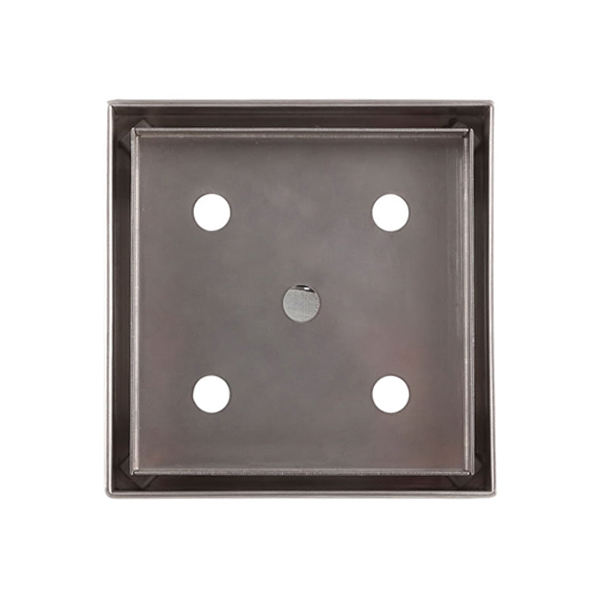
A Tile Insert Floor Drain is designed to sit flush with surrounding floor tile, often with a cover that holds a tile insert matching the floor pattern for a seamless visual appearance. This design can come in both removable and fixed configurations, though removable versions need careful attention to ensure the tile insert reseats correctly and doesn't create the uneven surface or trip hazard that a poorly fitted insert can produce over repeated removal.
A Bathroom Tile Floor Drain integrated into a tiled shower or wet room floor often prioritizes visual continuity alongside drainage function, which makes the tile insert variation of removable grates particularly relevant in upscale or design-focused bathroom projects. Standard grate designs without tile matching remain more common in simpler or budget-conscious installations where visual blending matters less than straightforward function.
An Outdoor Floor Drain faces leaves, dirt, and larger debris that indoor drains rarely encounter, along with weather exposure that indoor units don't face at all. Removable grates offer a real advantage here, since outdoor debris loads tend to be heavier and more variable, and direct access supports the kind of periodic clearing that outdoor conditions typically require more often than indoor settings do.
Floor Drains for Commercial Buildings, particularly in public-facing areas like restrooms, food service zones, or high-traffic corridors, frequently favor fixed covers for their tamper resistance and consistent appearance across many units installed throughout a facility. Maintenance in these settings is usually handled by dedicated facilities staff on a scheduled basis rather than relying on building occupants to notice and address buildup themselves, which reduces the practical advantage that removable access offers in a residential context.
Commercial food service drainage faces some of the heaviest and most frequent debris loads of any application category, combining grease, food particles, and high water volume throughout service hours. These settings often benefit from removable grates specifically because the debris volume genuinely requires frequent direct intervention that fixed covers can't support as effectively, even accounting for the security tradeoff that removable designs introduce.
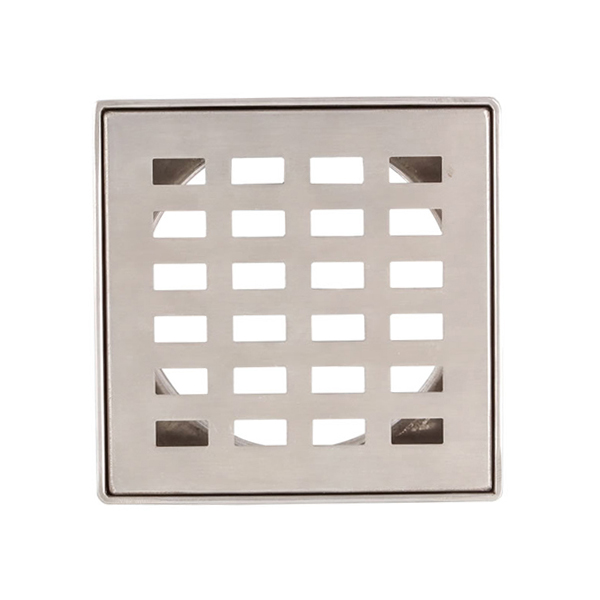
Stainless Steel Drains resist corrosion, staining, and the kind of material degradation that comes from constant moisture exposure considerably better than many alternative materials, regardless of whether the specific unit uses a removable or fixed cover design. This durability advantage matters across every application discussed here, from residential bathrooms to outdoor installations to demanding commercial kitchen environments, since the cover mechanism only functions reliably for as long as the underlying material holds up structurally.
Buyers evaluating Floor Drain Types for a specific project benefit from treating material grade and cover mechanism as connected decisions rather than separate ones. A high-quality stainless steel body paired with a poorly designed cover mechanism, or a well-designed cover paired with a material prone to corrosion in the installation environment, both undermine the overall investment in ways that a more holistic evaluation would catch before installation rather than after.
For contractors and designers specifying drainage across multiple units in a single project, working with a manufacturer capable of supplying both removable and fixed cover configurations in the required material grade simplifies sourcing considerably, since different zones within the same building often call for different cover types based on the considerations above.
Neither removable grate nor fixed cover floor drain designs represent a universally correct choice, and the right answer depends heavily on how much hands-on maintenance access actually gets used in a given space, how much debris and security risk the environment presents, and whether visual integration with surrounding flooring matters to the project. Bathroom and kitchen settings generally benefit from the cleaning convenience that removable access provides, while public commercial settings often lean toward the tamper resistance that fixed covers offer instead, and outdoor installations tend to favor whichever design supports the most frequent direct debris clearing the specific location actually needs. Pairing the right cover mechanism with a durable material choice like stainless steel, and matching both decisions to the actual demands of the installation environment, produces a drainage solution that performs consistently rather than becoming a recurring maintenance complaint. Yuhuan Better Machinery Co., Ltd. manufactures floor drain solutions across removable grate and fixed cover configurations in stainless steel construction, supporting contractors, designers, and facility managers selecting the right drainage approach for bathroom, kitchen, outdoor, and commercial building applications alike.
Copyright © Yuhuan Better Machinery Co., Ltd. All rights reserved

 English
 Español
 عربى
عربى

 +86-576-87422105
 +86-576-87422322
 Xuancheng rd 32#, Yuhuan Economic Development Zone, Zhejiang, China