Become your trusted floor drain product partner and supplier in China.
Tel: +86-576-87422105, Email: [email protected]

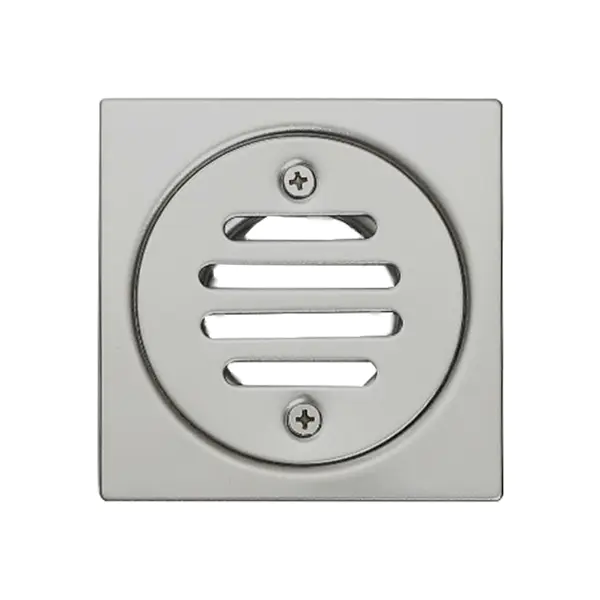
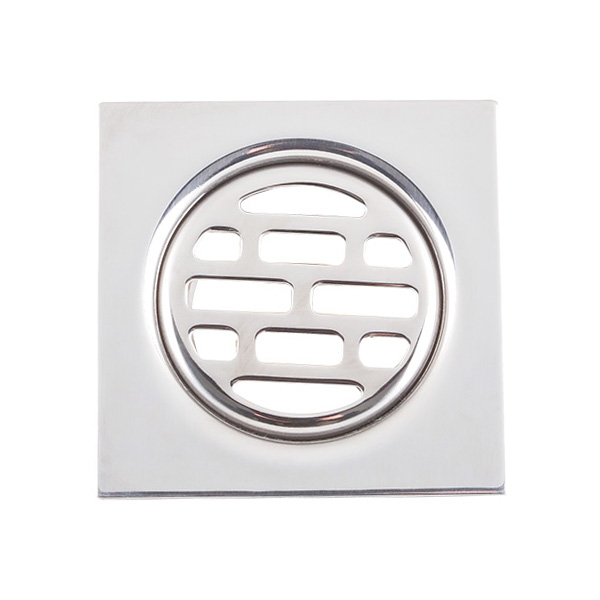
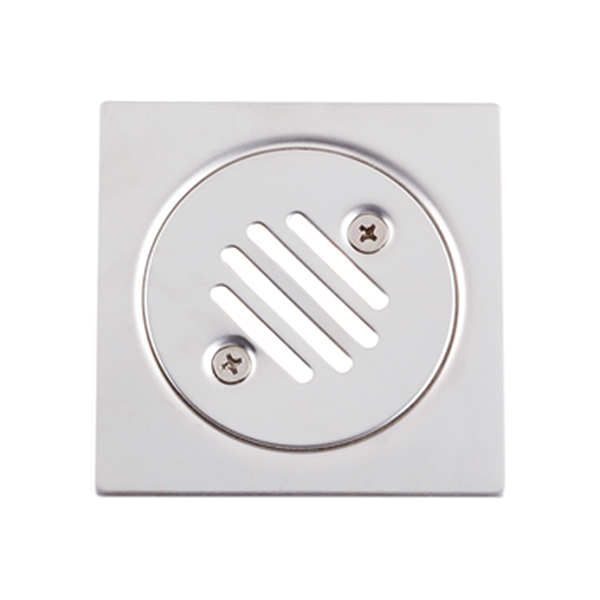
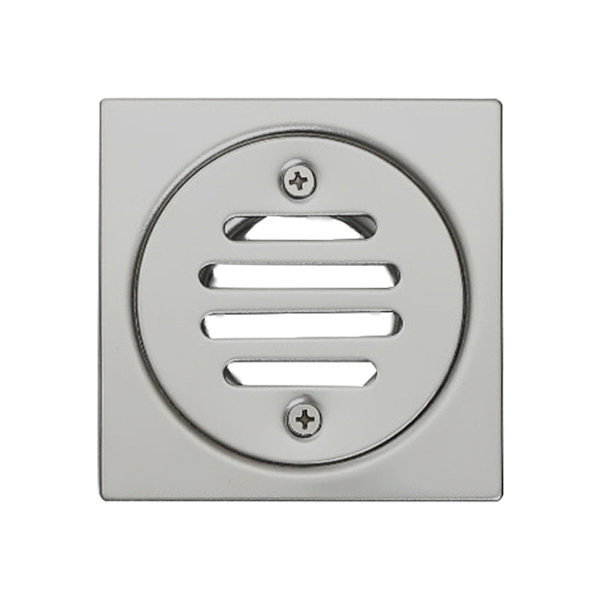
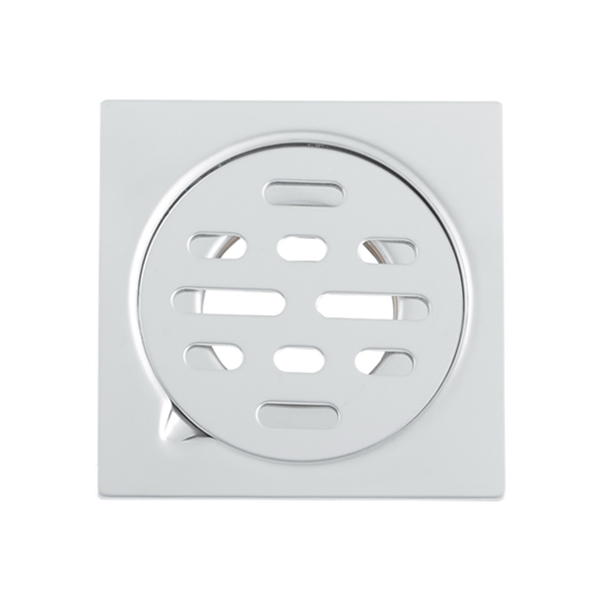
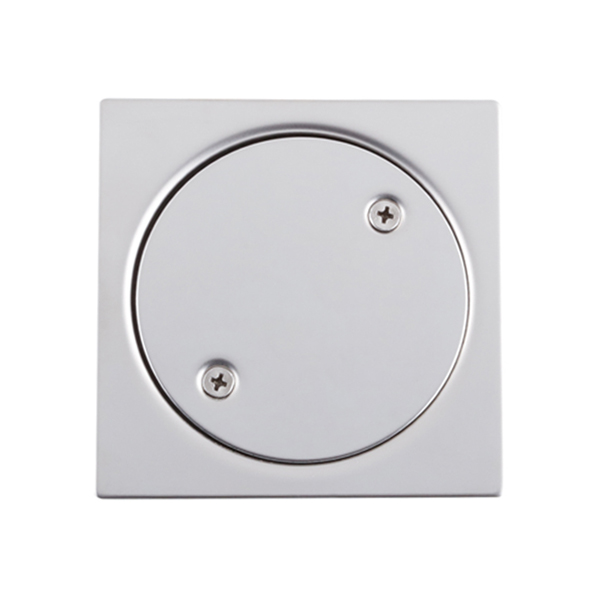
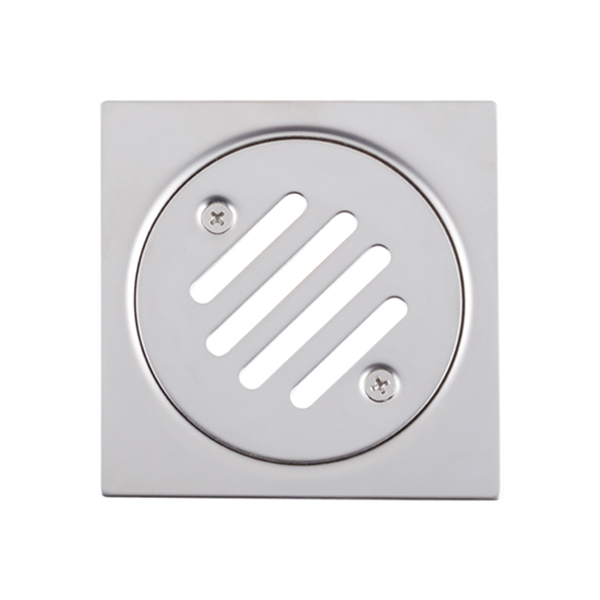
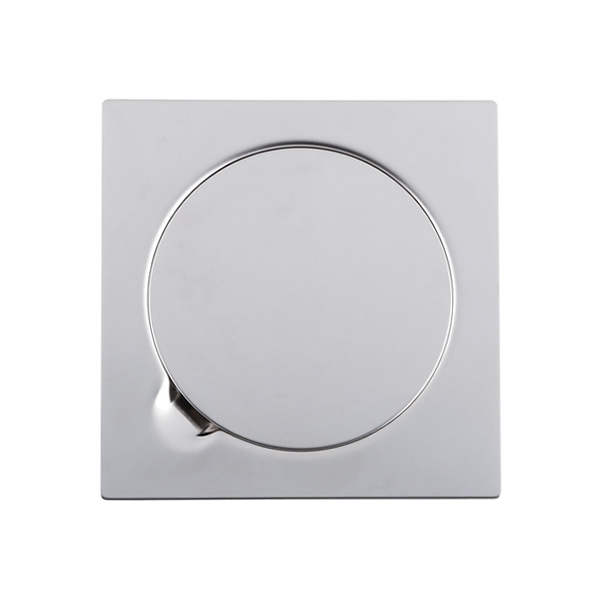
Specifying drainage materials for a construction or renovation project seems routine — until a drain starts showing rust stains six months after installation, or a coastal property's drainage system corrodes through before the building warranty expires. These are not hypothetical problems. They happen when the material grade gets selected based on price alone, without accounting for what the environment will actually do to the metal over time. For contractors, hotel procurement teams, and building developers evaluating drainage specifications, understanding the difference between 304 and 316 grade is not a technical detail — it is a decision with real maintenance and replacement consequences. A Stainless Steel Floor Drain in either grade looks identical out of the box; the difference becomes visible only after months or years of exposure to the conditions that separate them.
Both grades belong to the austenitic stainless steel family. Both resist rust under ordinary conditions. The distinction comes down to one element: molybdenum.
Grade 316 contains a small addition of molybdenum that 304 does not. That single compositional difference changes how the alloy responds to chloride environments — the kind found in saltwater, coastal air, swimming pool water, and cleaning chemicals that contain chlorine compounds. Chlorides attack the passive oxide layer that gives stainless steel its corrosion resistance. Molybdenum reinforces that layer, slowing the attack considerably.
In practical terms:
This is not a marginal difference in high-chloride environments. It is the difference between a drain that looks clean after several years and one that shows pitting, discoloration, or staining within the first few.
Chloride concentration is the variable that determines whether grade selection matters in practice. In environments with low chloride exposure — a standard residential bathroom in an inland location, for instance — the difference between 304 and 316 is minimal over typical service life. Both perform adequately.
The gap widens as chloride exposure increases:
In these environments, a 304 drain does not fail immediately — but it begins showing surface pitting and discoloration in a timeframe that a 316 drain does not. That early surface degradation is not just aesthetic. Pitting creates micro-cavities where bacteria and debris accumulate, which matters considerably in food processing, healthcare, and hospitality settings where hygiene standards are enforced.
Dramatically, yes. The same drain specification that works fine in one context can be genuinely inadequate in another — even within the same building project.
Consider a hotel with multiple drain applications:
Running different grades across different applications within the same project is standard practice in well-specified commercial construction. Using a single grade everywhere is a cost simplification that works in some cases and creates problems in others.
This is one of the questions that comes up repeatedly — and the honest answer is: it depends on the bathroom.
In a typical residential bathroom with standard tap water, normal cleaning products, and adequate ventilation, 304 performs well over a long service period. Surface staining from hard water or soap residue is a cleaning issue, not a corrosion issue. Genuine rust from a 304 drain in this environment is uncommon.
Where 304 bathroom drains do show problems:
If any of these conditions apply, the upgrade to 316 is worth the cost difference — particularly given that replacing a floor drain involves more labor and disruption than the initial installation.
A direct comparison across the factors that matter in drainage specification:
| Performance Factor | Grade 304 | Grade 316 |
|---|---|---|
| General corrosion resistance | Good for indoor, low-chloride environments | Strong across a wider range of environments |
| Chloride resistance | Moderate — adequate for low exposure | High — suited for coastal and chemical exposure |
| Surface durability | Good under standard conditions | Better under aggressive cleaning and humidity |
| Hygienic performance | Adequate for general use | Preferred for food, medical, and pool applications |
| Long-term appearance retention | Good in low-exposure settings | More consistent in humid or chemical environments |
| Material cost | Lower | Higher — reflects alloy composition |
| Maintenance frequency | Standard | Reduced in harsh environments |
| Application suitability | Residential, standard commercial | Coastal, industrial, food service, healthcare |
Reading across these factors, neither grade is universally appropriate or inappropriate. The environment defines which one makes sense.
Cost is the straightforward answer, but the decision is not always wrong. In many applications, 304 is genuinely adequate — and paying for 316 performance in a low-exposure environment returns no practical benefit.
The projects that reasonably choose 304:
The problem is not choosing 304 in appropriate conditions. The problem is applying it uniformly across a project without distinguishing the high-exposure zones where 316 would prevent future maintenance costs. A drain in a standard hotel guest bathroom and a drain in the hotel's rooftop pool terrace face very different conditions — treating them identically because they are both "stainless steel floor drains" is where specification errors happen.
Upfront cost comparison between 304 and 316 is visible immediately. Long-term cost comparison requires accounting for what happens after installation.
In low-exposure environments, the cost comparison favors 304 — the cheaper option performs comparably over time. But in high-exposure environments, the calculation reverses:
The practical guidance is to evaluate the exposure environment honestly rather than defaulting to whichever grade is cheaper. In many cases, the small cost difference between 304 and 316 at specification stage is genuinely the lower-cost option over a ten-year horizon.
Surface finish affects how a drain looks and how easily it cleans — but it also interacts with corrosion behavior in ways that matter for specification.
Polished or brushed finishes on stainless steel create a smoother surface that is less hospitable to chloride adhesion and easier to clean thoroughly. A highly polished 304 drain in a moderate-exposure environment may outperform a roughly finished 316 drain, simply because surface roughness provides more area for corrosive agents to dwell.
This is particularly relevant in food service and healthcare drainage, where surface hygiene is a compliance requirement. In these settings, finish specification matters alongside grade selection — and both should be addressed together rather than independently.
Some application environments where the case for 316 is straightforward:
In these contexts, specifying 304 is a risk decision, not a cost-saving decision. The maintenance and replacement costs that follow a premature corrosion failure in a commercial setting are rarely worth the initial material saving.
When sourcing stainless steel floor drains for a project, a few practical checks reduce specification risk:
These are straightforward questions — but they are the ones that prevent the kinds of corrosion failures that show up two years into a project and require disruptive remediation.
The 304 vs 316 decision is not about which material is categorically better. It is about matching the alloy's corrosion resistance characteristics to the actual chemical and environmental demands of the installation. In low-exposure settings, 304 delivers reliable, long-term performance at a practical cost. In coastal, chemical, food service, or continuously wet environments, the molybdenum content in 316 provides a level of durability that 304 cannot match over comparable service periods. Getting that match right at specification stage is considerably cheaper than correcting it after installation. For contractors, developers, and procurement teams working through drainage specifications for commercial or residential projects, having a supplier who understands these distinctions — and can advise on grade selection for specific applications — makes the process more reliable. Yuhuan Better Machinery Co., Ltd. manufactures stainless steel floor drains across both 304 and 316 grades, with the application knowledge to support project-specific specification decisions. If your project involves environments where material grade genuinely matters, reaching out with the installation details is a practical starting point.
Copyright © Yuhuan Better Machinery Co., Ltd. All rights reserved

 English
 Español
 عربى
عربى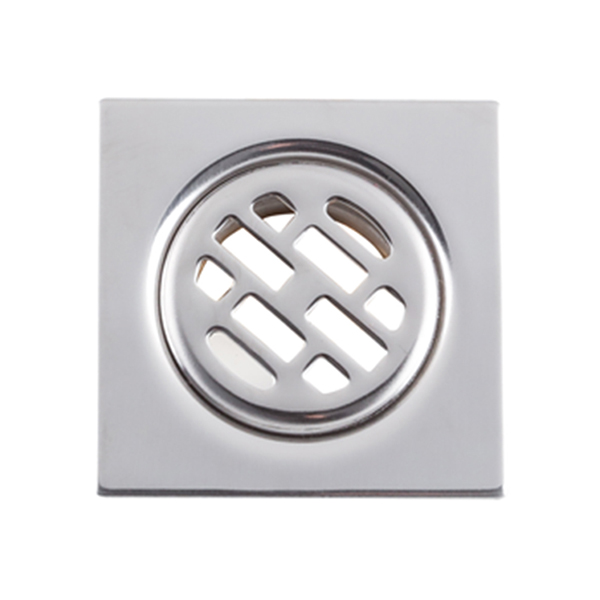

 +86-576-87422105
 +86-576-87422322
 Xuancheng rd 32#, Yuhuan Economic Development Zone, Zhejiang, China